
Foot-and-mouth disease is a supply chain crisis, not just a farming problem
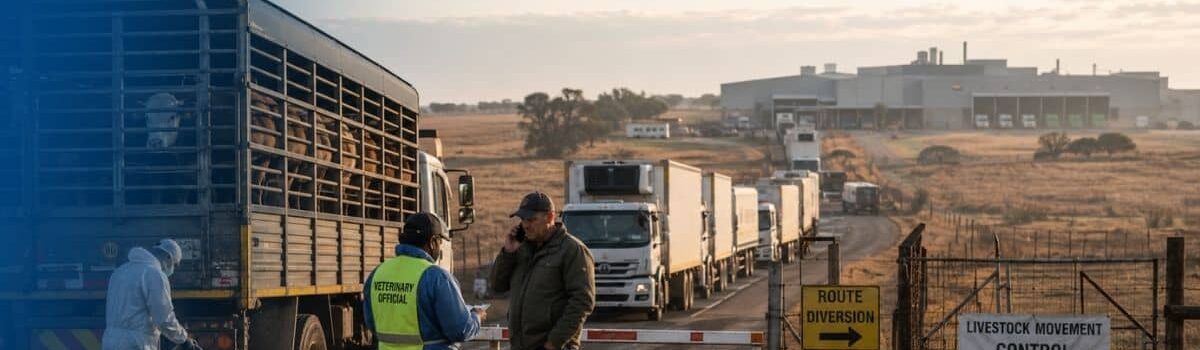
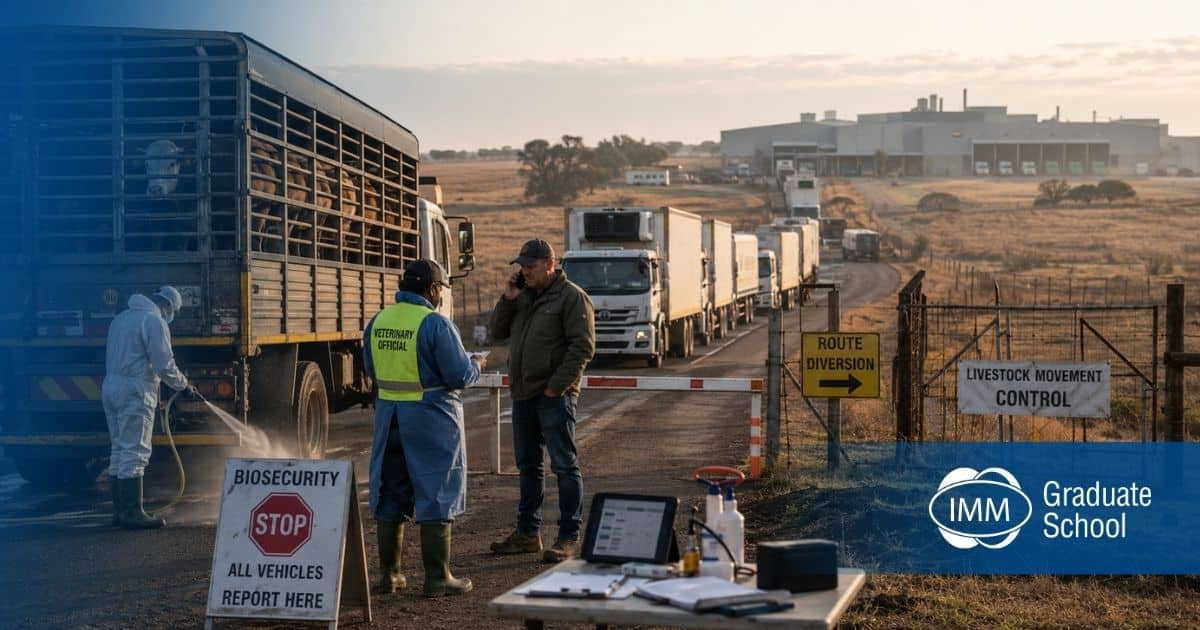
One infected herd in KwaZulu-Natal was enough to close export markets across three continents.
Within months, meat that was cleared for shipment sat in cold storage instead of moving to port, and certificates couldn’t be issued fast enough to keep buyers invested. That’s a supply chain failure.
The five-year cost to South Africa’s livestock sector now sits at R13.1 billion, according to a January 2026 Bureau for Food and Agricultural Policy study. The government declared foot-and-mouth disease a national disaster in February 2026.
Most coverage still treats it as an animal health story. The real story runs through logistics and trade compliance. This is the kind of real-world business challenge that demonstrates the value of specialist, industry-relevant supply chain education.
At IMM Graduate School, supply chain qualifications are designed to develop the practical knowledge, analytical capability and strategic judgement required to navigate increasingly complex supply networks.
Why foot-and-mouth disease is also a South African supply chain problem
Foot-and-Mouth Disease (FMD) spreads through livestock. But the damage shows up in export volumes, factory throughput, and job numbers. Of that R13.1 billion, R11.3 billion sits in lost production. R1.8 billion sits in lost export revenue. Beef exports have fallen an estimated 26% year on year. Some categories of bovine meat exports are down 56.6% by mid-2026, with Middle East channels down between 65% and 95%.
The consequences extend well beyond the immediate effect of the disease on livestock.
When trading partners introduce restrictions in response to biosecurity risks, the impact moves rapidly through export corridors, cold-chain networks, and production facilities. Managing an outbreak, therefore, requires agricultural and veterinary expertise to work alongside supply chain, logistics, risk management and trade compliance capability.
What the response really looks like
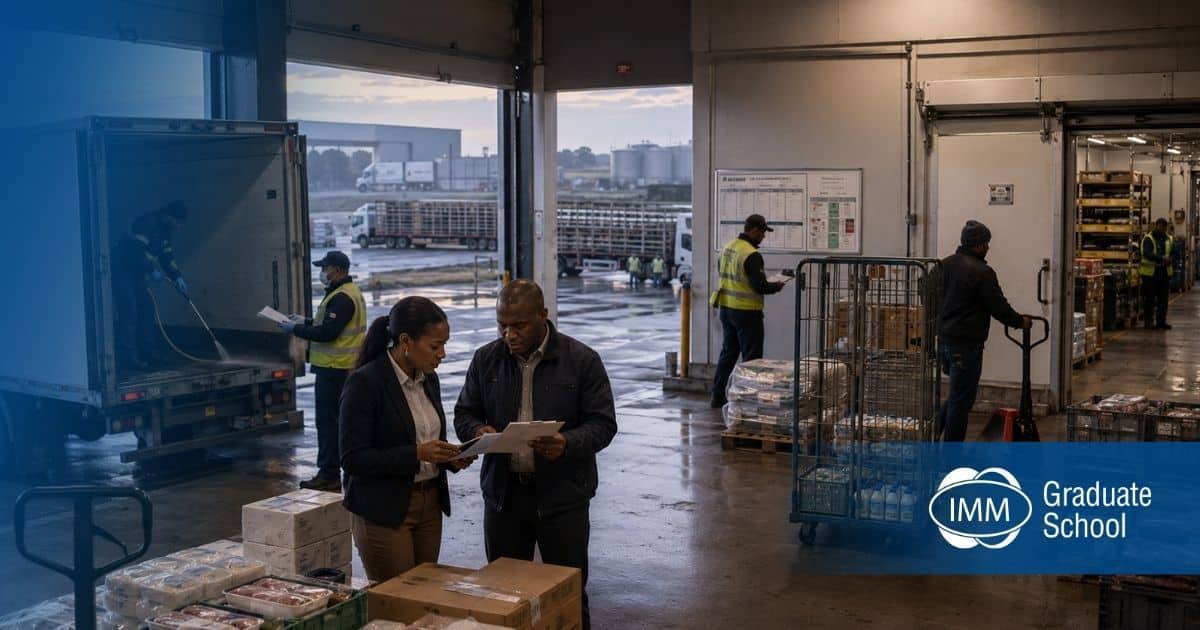
Strip away the animal health framing and the government’s response reads like a textbook supply chain operation. Movement controls restrict how livestock and products cross provincial lines. Cold chain infrastructure must keep operating under quarantine conditions, which is a different problem to running it under normal trade flow.
Markets have split into two camps. China, Mozambique, Zimbabwe, Namibia, and the UK have kept their borders closed to South African beef since January 2025. The UAE, Jordan, Hong Kong, and Kuwait have stayed open, but only under revised certification arrangements.
Keeping a market open under revised certification requirements depends on effective coordination between veterinary authorities, exporters, regulators and trade compliance professionals. Then there’s the vaccine rollout itself. The government has procured 13.5 million doses and vaccinated close to 4.4 million animals, the largest programme the state has run, with a further 14 million doses approved for import.
Getting that volume of temperature-sensitive product to farms across nine provinces, on schedule, is a distribution and inventory problem before it’s anything else.
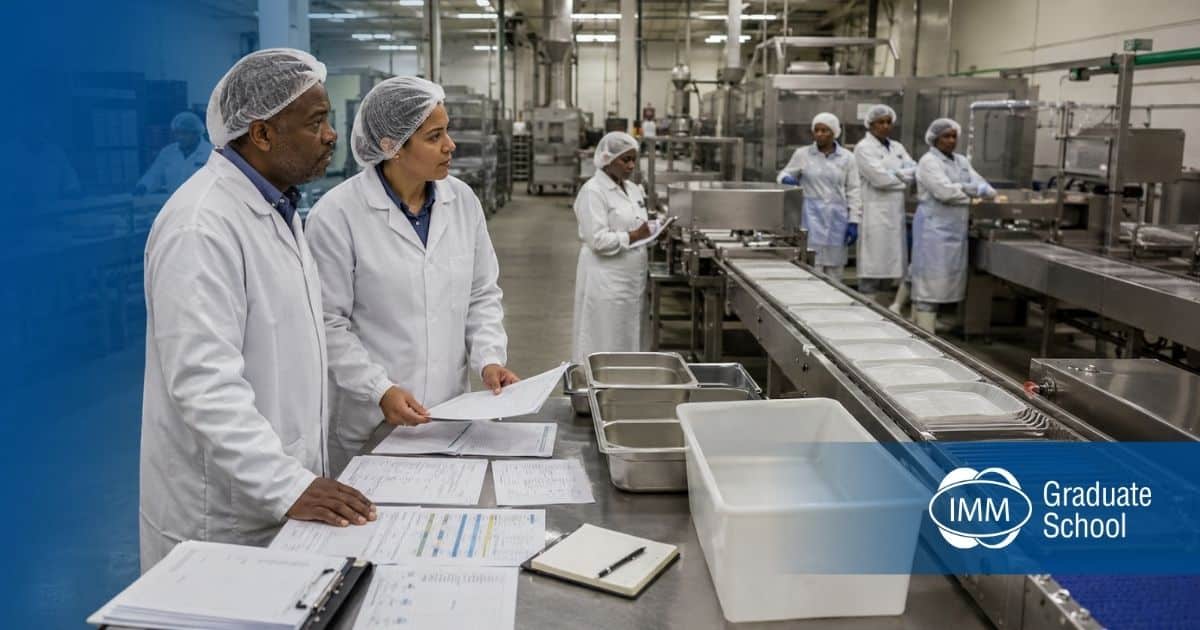
Livestock traceability in South Africa still runs mostly on Red Meat Industry Services, and that system is voluntary. There’s no mandatory national system, partly because agriculture sits with the provinces under the Constitution rather than with national government. So, the country’s biosecurity response depends on movement controls and vaccination making up for a traceability gap that’s been there for years.
That gap demonstrates the importance of supply chain risk management.
Knowing where an animal has moved, which facilities it has passed through and which market it is intended for is not a nice-to-have during an outbreak. It can influence whether an incident is contained or develops into a wider national crisis.
IMM Graduate School’s supply chain qualifications develop relevant capabilities in areas such as integrated supply chain management, international trade, risk management, analytics and strategic decision-making.
Who gets hired to fix this
Producers need people who can build traceability into their operations. Retailers need people who can manage supplier risk when a category of import suddenly isn’t available. The government and industry bodies need trade compliance specialists who understand certification and market access.
These are not exclusively farming roles. They are increasingly multidisciplinary supply chain roles that connect agriculture with logistics, retail, regulation, technology and international trade.
South Africa’s response to foot-and-mouth disease demonstrates the need for professionals who can interpret complex supply chain risks and translate that understanding into practical action.
This is where specialist education matters. IMM Graduate School offers a structured pathway of supply chain qualifications that combines business understanding with focused knowledge of logistics, international trade, supply chain integration, risk and decision-making. Selected qualifications are also accredited by the Chartered Institute of Logistics and Transport International, providing an additional connection to internationally recognised professional standards.

Whether you are starting a career in supply chain management or formalising experience gained in logistics, trade, agriculture or another business discipline, explore IMM Graduate School’s supply chain qualifications and discover how specialist knowledge can prepare you to address complex, real-world supply chain challenges.