
Africa Rail Summit 2026: Embracing Continental Rail Integration and Infrastructure Policy | IMM Graduate School

Summary:
- This article covers the 26th Africa Rail Conference and Exhibition, held at the Sandton Convention Centre, exploring South Africa’s rail policy reforms and infrastructure investment roadmap.
- The event featured keynote insights from Minister of Transport Barbara Creecy on the Luxembourg Rail Protocol and open-access freight networks.
- The article also highlights panel discussions moderated by Ronald Muringai of the IMM Graduate School.
- The analysis details how international legal frameworks and higher education research from the IMM Graduate School are driving continental rail integration, private sector fleet financing, and intermodal supply chain resilience under the African Continental Free Trade Area (AfCFTA).
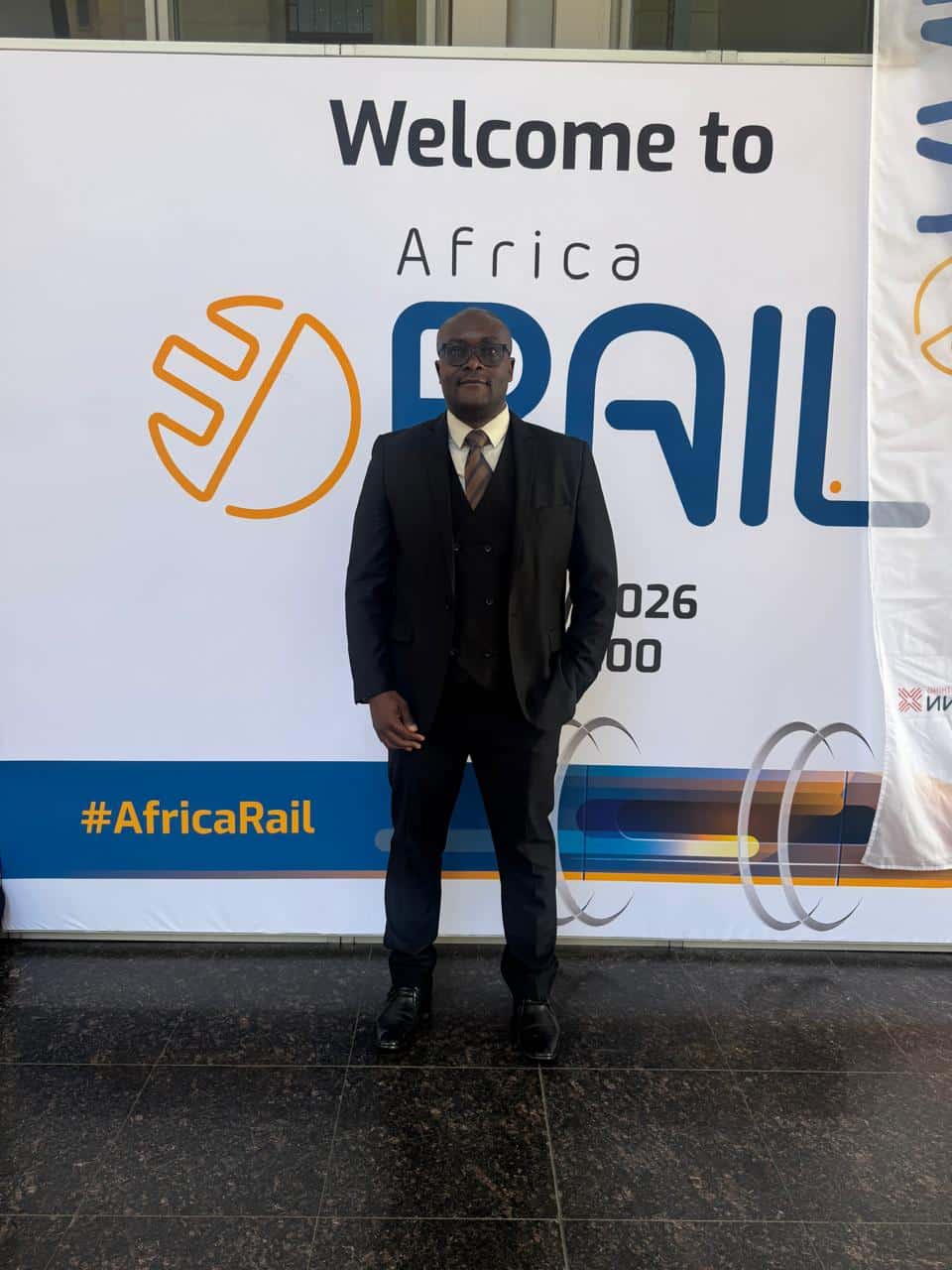
The 26th Africa Rail Conference and Exhibition drew captains of industry, government officials, financiers, and rail operators to the Sandton Convention Centre on 7–8 July 2026, under the theme Investment, Development and Technology for Rail Operators, End-Users, Government and Investors.
Ronald Muringai, Programme Co-ordinator, Head Lecturer and Researcher at the IMM Graduate School, moderated one of the Summit’s key panel discussions, bringing the institution’s voice directly into a conversation that ranged from mining to energy, with exhibitors showcasing the technologies shaping the next chapter of African rail. But it was a single question: how to unlock the investment needed to move Africa’s freight and passengers by rail – that ran beneath almost every session.
The Dispatch sat in on the discussions to find out where the answers might lie.
Why does the Luxembourg Rail Protocol matter now?
South Africa’s Minister of Transport, Barbara Creecy, of the Department of Transport, opened proceedings with a keynote address that framed rail not merely as infrastructure, but as a development imperative.
Rail, Minister Creecy reminded delegates, remains the most efficient, sustainable, and inclusive way to move freight and people over long distances; yet, for years, the private capital needed to modernise it has been slow to arrive.
Her answer lay in a piece of international law that many delegates had been awaiting for over two decades. The Luxembourg Rail Protocol, which came into effect on 8 March 2024, is an outcome of the 2001 Cape Town Convention on International Interests in Mobile Equipment.
In practice, it gives investors and financiers a standardised, internationally recognised framework for securing interests in rolling stock – precisely the kind of legal certainty that has historically kept foreign capital on the sidelines of Africa’s rail ambitions.
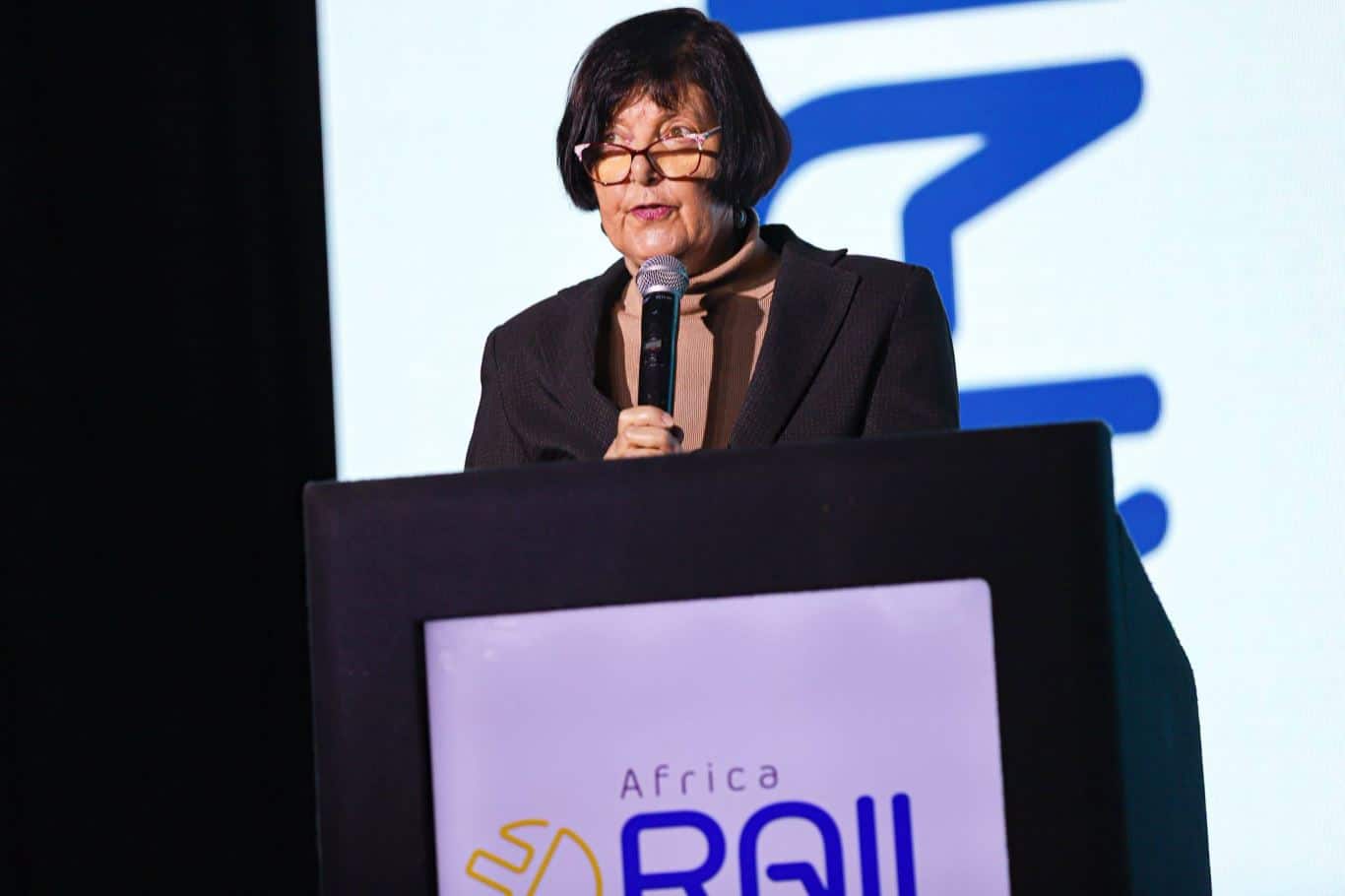
“The Protocol creates new opportunities for international financing by reducing investment risk and improving access to affordable funding for rolling stock acquisition,” Minister Creecy told delegates, “enabling the economic and environmental benefits of shifting freight and passengers from road to rail.”
Read Minister Creecy’s full address here.
For South Africa, the timing could not be more pointed. With rail reform high on the national agenda, the Protocol offers a rare, concrete lever: open access to the national network, paired with a practical financing mechanism the private sector can utilise.
Train operating companies looking to compete on South Africa’s rail corridors, long dominated by a single state operator, now have a clearer, less risky path to entry.
What does this mean for the road ahead?
If the Summit’s theme was investment, development, and technology, its real subtext was confidence, the confidence investors need to commit capital, and the confidence operators need to compete.
The Luxembourg Rail Protocol will not resolve South Africa’s rail challenges overnight.
But as a signal of intent, and a practical financing tool, it gives the sector something it has lacked for years: a compelling reason for private capital to take a second look.
For the IMM Graduate School, the Summit was a reminder of how closely questions of infrastructure, policy, and investment intersect with the institution’s own research and teaching interests, and a key opportunity to bring that academic insight directly into one of the continent’s most consequential industry conversations.
Frequently Asked Questions (FAQs)
How does the Luxembourg Rail Protocol enhance private sector investment in South African rail?
The Luxembourg Rail Protocol reduces investment risk by establishing a globally recognised International Rail Registry for security interests. By protecting creditor rights during default or insolvency, it enables private Train Operating Companies (TOCs) in South Africa to secure affordable international financing for acquiring rolling stock.
What was the central message of Minister of Transport Barbara Creecy’s keynote address?
Minister of Transport Barbara Creecy emphasised that rail is the most efficient and sustainable mode for long-distance transport. She highlighted that implementing open-access rail reforms alongside the Luxembourg Rail Protocol provides private operators with the legal and financial tools necessary to shift mass freight from road to rail.
What role did the IMM Graduate School play at the 26th Africa Rail Summit?
Faculty members from the IMM Graduate School participated actively in the Summit, with Ronald Muringai moderating key panel sessions. The institution’s research contributions bridge academic analysis with industry execution, focusing on supply chain resilience, rail policy reform, and intermodal transport economics.
How do open-access rail reforms benefit private train operating companies in South Africa?
Open-access reforms break historical state monopolies by allowing licensed private train operating companies to access the national rail network. This increases freight capacity, lowers regional logistics costs, and fosters commercial competition across strategic trade corridors.
Why is shifting freight from road to rail critical for African trade integration?
Shifting freight to rail reduces road infrastructure wear, lowers logistics emissions, and decreases transport costs across long distances. This operational efficiency is vital for facilitating seamless cross-border trade under the African Continental Free Trade Area (AfCFTA).
RESOURCES
26th Africa Rail Conference & Exhibition (Event, Dates, Venue)
https://railmarket.com/events/africa-rail-2026
https://www.southernsun.com/sandton-convention-centre-scc/event-calendar/africa-rail-2026
Minister Barbara Creecy Keynote Address & Transport Sector Targets
https://www.gov.za/news/speeches/minister-barbara-creecy-africa-rail-convention-08-jul-2026
Luxembourg Rail Protocol Global Entry into Force (8 March 2024)
https://www.unidroit.org/unidroit-and-otif-announce-entry-into-force-of-luxembourg-rail-protocol
https://otif.org/fileadmin/new/5-Media/5A-News/2024/News_8.3.2024_EN.pdf