


South Africa’s proposed AGOA withdrawal: Dr Ernst van Biljon on risks and resilience

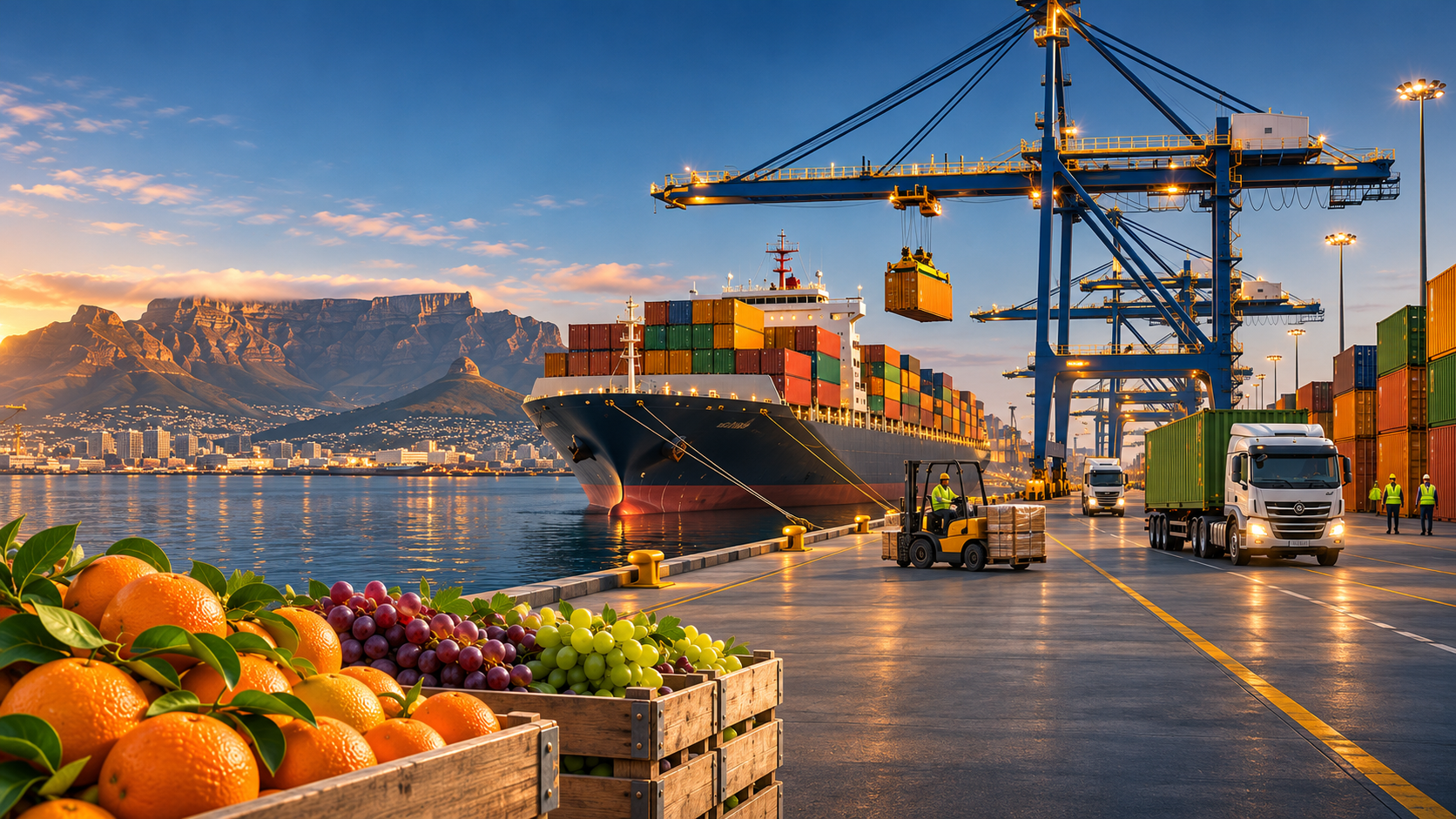
South Africa’s proposed AGOA withdrawal raises important questions for exporters, supply chains and the communities they support.
Dr Ernst van Biljon, Dean of Research at the IMM Graduate School and a supply chain expert, has contributed to the public discussion on the potential consequences and how businesses can prepare.
On 3 November 2026, Dr van Biljon shared his analysis through radio interviews and business media coverage following the United States government’s announcement on 2 November of its intention to withdraw South Africa’s benefits under the African Growth and Opportunity Act (AGOA) from 1 January 2027.
His central message is that a relatively limited direct impact at national level can still translate into significant pressure on particular industries, businesses and communities.
What would AGOA withdrawal mean for South Africa?
AGOA is a United States trade preference programme that gives eligible products from participating sub-Saharan African countries preferential, generally duty-free access to the American market.
Losing these benefits would not prevent South African businesses from exporting to the US. However, products losing preferential treatment could face higher import duties, depending on their tariff classification and other applicable US measures. This could reduce their competitiveness.
According to South Africa’s Department of Trade, Industry and Competition, AGOA-supported exports represented approximately 1% of the country’s total global exports in 2025.
That relatively small national proportion does not tell the whole story. For businesses, workers and communities dependent on affected export industries, the consequences could be considerably more serious.
Agriculture, manufacturing and the cost of uncertainty
In an interview with Jimmy Moyaha on SAfm’s Market Update, presented with Moneyweb, Dr van Biljon identified agriculture and automotive components as particularly exposed sectors.
South African exporters of citrus, grapes, nuts and other agricultural products could face increased competition from countries enjoying more favourable access to the US market.
The effects could extend beyond exporters themselves to packhouses, transport operators, seasonal workers and communities dependent on those industries.
Although alternative markets are available, Dr van Biljon cautioned:
“Even diversification takes time. It’s not something that can happen overnight.”
Speaking on OFM’s Business Hour, he also discussed the uncertainty facing manufacturers, particularly those producing automotive components and other export products.
Businesses need predictable trading conditions to maintain production and investment.
He also highlighted opportunities for South African agricultural exports into growing markets in Asia and the Middle East.
Why supply chain resilience matters
Dr van Biljon’s analysis also featured in the IOL Business article South Africa’s AGOA loss: Why the biggest economic risk may lie beyond exports, published on 3 November.
The article examined the wider implications for South African trade, including investor confidence and the country’s relationship with the United States.
PSG senior economist Johann Els warned that the implications extend beyond immediate export losses to investor confidence, investment decisions and South Africa’s broader relationship with the US.
Dr van Biljon noted that many exporters had already begun diversifying into alternative markets, including opportunities in Europe and through the African Continental Free Trade Area (AfCFTA).
In his full media statement issued on 3 November, he urged supply chain managers to assess their exposure product by product, calculate the implications of losing tariff preferences, identify alternative markets and routes, and strengthen logistics partnerships.
The broader lesson reaches beyond AGOA. Changing tariffs, geopolitical tensions and shipping disruptions are increasingly interconnected challenges for businesses operating across international markets.
Continued engagement remains important
The proposed withdrawal is not necessarily the final outcome.
In the days following the announcement, senior Democratic lawmakers in the United States Congress publicly criticised the proposed termination of South Africa’s AGOA benefits.
Representative Gregory Meeks and Senator Jeanne Shaheen called for renewed engagement between the US administration and the South African government during the 60-day notification period. Representative Richard Neal also questioned the decision and called for greater clarity about South Africa’s continued eligibility.
These interventions do not reverse the announced withdrawal, but they reinforce the importance of continued diplomatic and commercial engagement.
Dr van Biljon maintains that government, business and industry organisations should remain engaged with their US counterparts in pursuing a resolution.
For exporters, this means preparing for possible changes to trading conditions while remaining alert to developments that could affect the eventual outcome.
Preparing for what comes next
For South African exporters, resilience means understanding their exposure, strengthening supply chain flexibility and developing workable alternatives before trading conditions change.
It also means recognising that diversification and continued engagement with existing trading partners are not competing strategies. Both can contribute to protecting businesses, investment and employment.
Dr van Biljon’s contributions reflect the IMM Graduate School’s commitment to connecting specialist academic expertise with the challenges facing business and industry. As a trusted voice in supply chain management, his insights help bring clarity to complex trade developments and demonstrate the value of academic knowledge that extends beyond the classroom into professional practice.
AGOA’s future remains uncertain. The need for informed decisions, adaptable supply chains and constructive engagement does not.
Resources
1. United States Trade Representative — Official AGOA announcement
2. South African Department of Trade, Industry and Competition — Government response
3. SAfm Market Update / Moneyweb — Interview with Dr Ernst van Biljon and Jimmy Moyaha
4. IOL Business — South Africa’s AGOA loss: Why the biggest economic risk may lie beyond exports
5. Parliament of South Africa — Statement on proposed withdrawal of AGOA benefits
6. US congressional response — Gregory Meeks and Jeanne Shaheen Joint statement reproduced by the American Chamber of Commerce in South Africa.
7. US congressional response — Richard Neal Statement reproduced by the American Chamber of Commerce in South Africa.
8. SABC News — US lawmakers push back against South Africa’s exclusion from AGOA
Frequently Asked Questions
1. What is AGOA, and what has been announced about South Africa’s eligibility?
The African Growth and Opportunity Act (AGOA) is a United States trade preference programme that gives eligible products from participating sub-Saharan African countries preferential, generally duty-free access to the US market.
On 2 November 2026, the US announced its intention to withdraw South Africa’s AGOA benefits from 1 January 2027, following a review of eligibility. The announcement provided a 60-day notification period before the intended withdrawal.
2. Can South African businesses still export to the United States without AGOA?
Yes. Losing AGOA benefits would not prevent South African companies from exporting to the US.
However, products that previously qualified for preferential treatment could become subject to additional import duties, potentially increasing costs and reducing competitiveness. The actual tariff implications depend on the product and applicable US trade measures.
3. Which South African industries and jobs are most at risk?
Agriculture and automotive manufacturing are among the sectors exposed to the proposed withdrawal.
Exporters of citrus, grapes, nuts and automotive components could face greater competitive pressure. The consequences may extend to transport operators, packhouses, manufacturers and seasonal workers, particularly in communities dependent on exports to the US.
4. How could the proposed loss of AGOA benefits affect supply chains?
Changes to trade preferences could increase uncertainty around tariffs, production costs, competitiveness and international logistics.
Businesses may need to reconsider suppliers, transport routes, inventory and export destinations. These pressures highlight the importance of supply chain resilience and the ability to adapt to changing trading conditions.
5. What does Dr Ernst van Biljon of the IMM Graduate School recommend for exporters?
Dr van Biljon recommends assessing tariff exposure product by product, identifying alternative markets, diversifying logistics routes and strengthening supply chain partnerships.
He also emphasises the importance of continued engagement between South African government, business and industry representatives and their US counterparts while the proposed withdrawal remains under consideration.
His central message is that businesses should prepare early rather than rely on last-minute responses to changing trading conditions.