
GTR Africa 2026: Global Trade Insights for South Africa’s Supply Chain Future

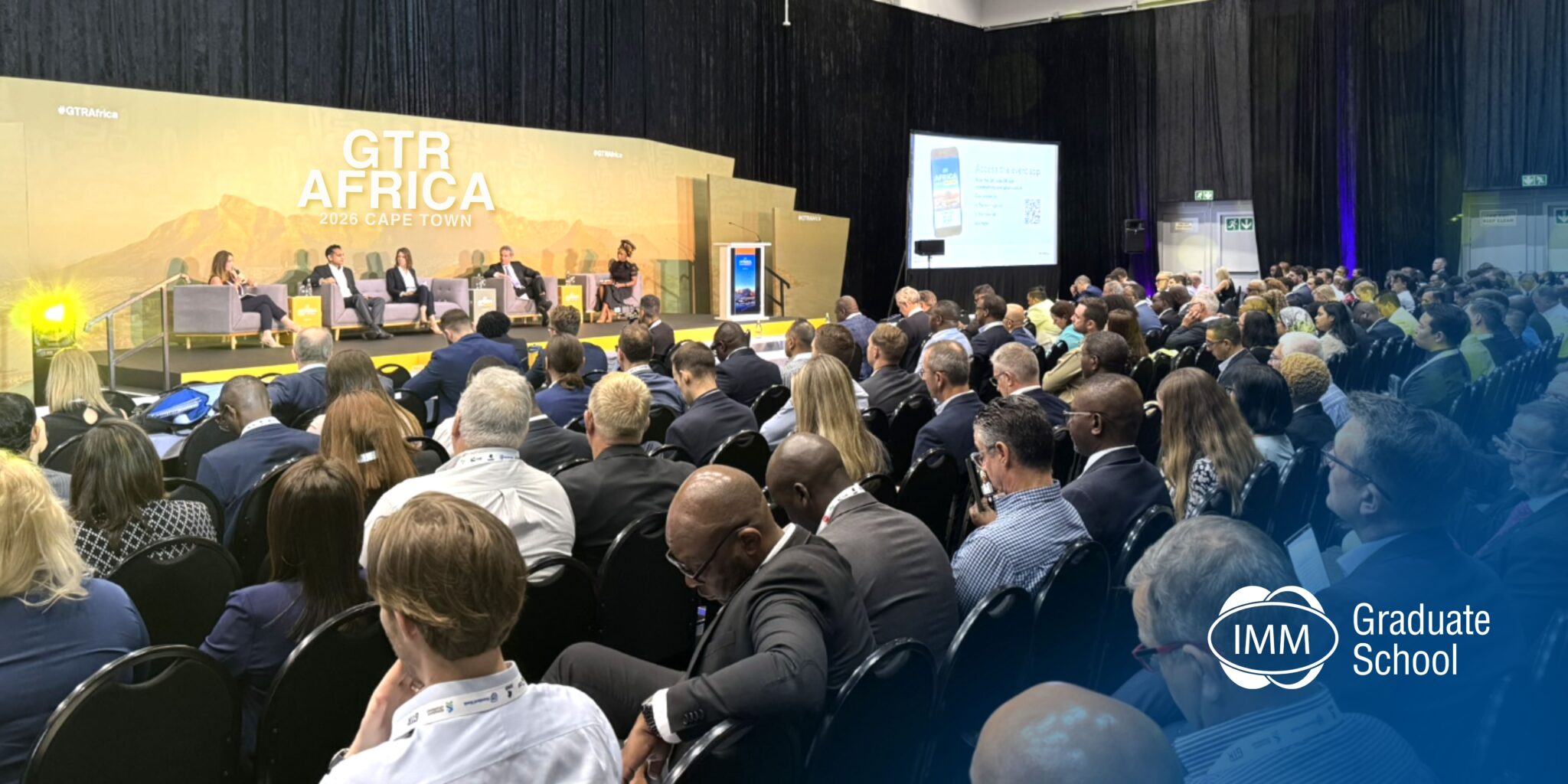
GTR Africa 2026 Cape Town, Source: Global Trade Review, 2026
Africa’s trade landscape is evolving at speed. The conversations at the recent GTR Africa 2026 gathering of Africa’s trade, supply chain, infrastructure, and commodity finance sectors made one thing clear: opportunity is growing, but so is complexity.
For South Africa, this moment matters. Positioned as a key gateway into African and global markets, the country has the infrastructure, financial systems, and regional access to lead. Yet insights from GTR Africa 2026 show that leadership will depend on more than position. It will depend on skills, systems, and execution.
For students, working professionals, and businesses seeking global trade solutions South Africa, the message is direct. Understanding how trade works in practice is no longer optional. It is essential.
As a specialised niche institution dedicated to expert and globally recognised marketing and supply chain management education, the IMM Graduate School recognises that education must evolve alongside these global shifts.
What was discussed at GTR Africa 2026?
Africa’s trade integration is gaining pace
Insights shared at GTR Africa 2026, supported by reporting from The Kenyan Wall Street, highlight how Africa is strengthening its position in global markets. Policy alignment, trade finance, and regional cooperation continue to drive integration.
At the centre of this shift is the African Continental Free Trade Area, which is reducing barriers and enabling cross-border trade at scale.
However, trade integration does not happen in theory. It depends on execution. Professionals working in logistics, procurement, and trade operations must understand how goods move, where risks emerge, and how delays impact cost and performance.
South Africa faces tariff and capital pressure
Coverage from global trade review discussions at GTR Africa 2026 points to increasing pressure on South African businesses.
Tariff structures are evolving. Capital is becoming more expensive. Global trade routes remain volatile.
These factors directly influence:
- Pricing strategies
- Sourcing decisions
- Inventory planning
- Lead time management
For organisations operating across borders, these are not abstract challenges. They are daily operational realities.
Infrastructure still decides trade performance
In a pre-event roundtable reported on the official Global Trade Review website, it was noted that a key theme at GTR Africa 2026 would be infrastructure. Trade growth depends on efficient systems, including ports, rail networks, roads, and warehousing.
While investment is increasing, execution remains uneven. Delays, inefficiencies, and bottlenecks continue to affect trade performance.
For South Africa, this is critical. Being a regional trade hub is not enough. Sustained competitiveness requires systems that perform under pressure.
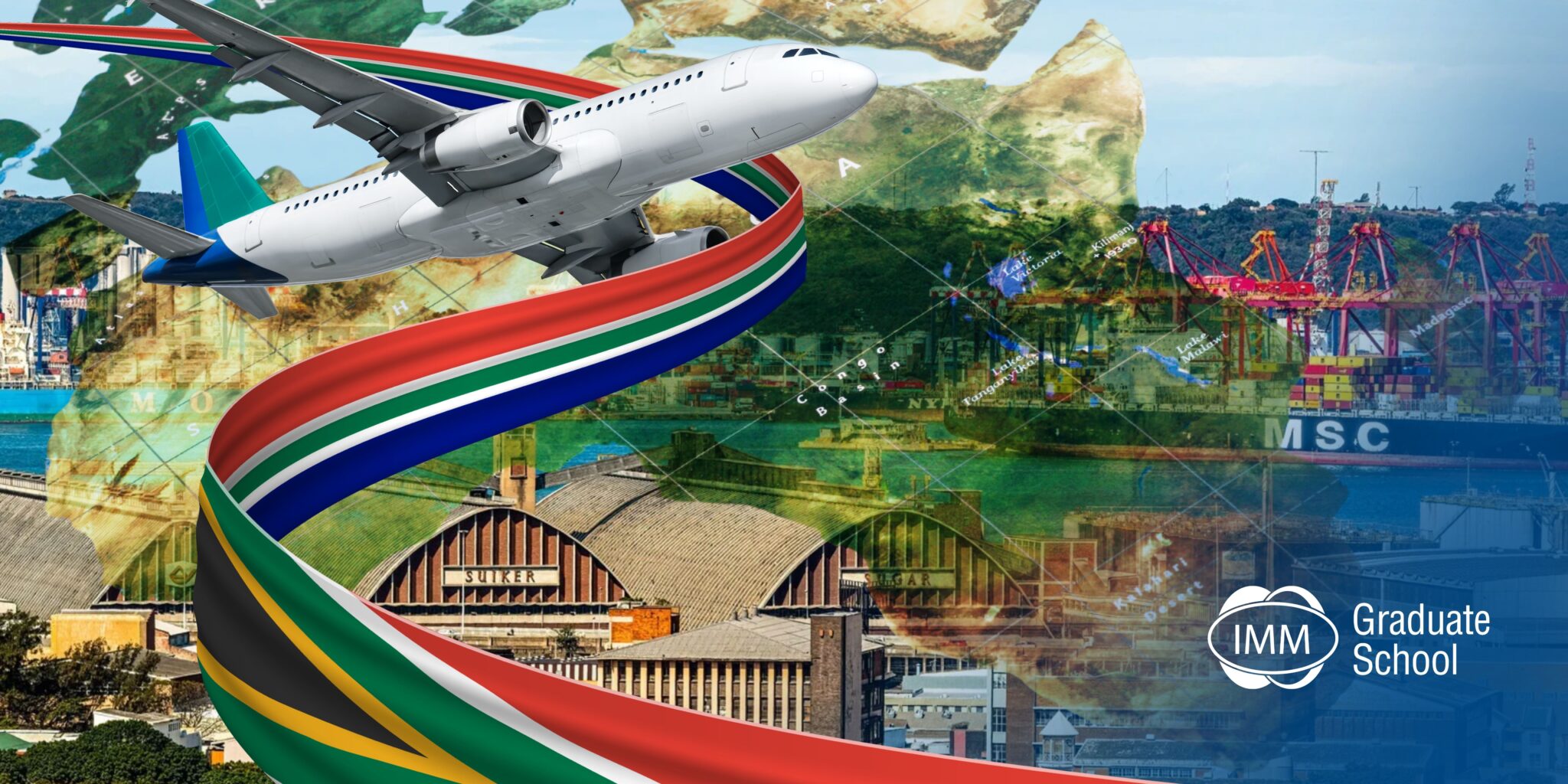
How can South Africa benefit from trading in global markets?
South Africa has a strong foundation. The question is how it builds on it.
Key areas of advantage
- Access to regional and international trade routes
- A developed financial sector
- Established export industries
- Growing demand for supply chain expertise
What needs to happen next
- Improved trade and logistics planning
- Increased supply chain skills development
- Stronger alignment between education and industry
- Faster responses to global trade risk and cost pressures
If we ask how South Africa can benefit from trading in global markets, the answer lies in capability. The country needs professionals who understand trade systems end to end, not only at a theoretical level.
Why supply chain skills matter more than ever
A consistent message throughout GTR Africa 2026 was that trade success depends on execution.
Supply chains connect sourcing, production, transport, and delivery. When one part fails, the entire system is affected.
Businesses increasingly require professionals who can:
- Manage supplier and procurement risk
- Optimise inventory and distribution
- Ensure trade compliance
- Connect local operations to global markets
This is where the skills gap becomes clear. Africa’s trade ambitions are growing, but practical, industry-ready skills must keep pace.
The role of the IMM Graduate School in closing the skills gap
The insights from GTR Africa 2026 highlight a growing need for relevant, career-focused education.
This is where the IMM Graduate School’s Supply Chain Qualifications become essential.
The IMM Graduate School is a specialised niche institution dedicated to expert and globally recognised marketing and supply chain management education.
Its programmes are designed to equip students and working professionals with practical skills aligned to industry demand.
Students gain knowledge in:
- Procurement
- Logistics
- Inventory control
- Distribution
- Supply chain strategy
- Trade operations
These are not abstract concepts. They are the capabilities required to support global trade solutions South Africa and to manage the realities highlighted at GTR Africa 2026.
For those entering the field, advancing their careers, or repositioning themselves in the market, this education provides a direct pathway into high-demand roles across industries.
Take the next step towards a career in global trade with the IMM Graduate School here.

What you should take from GTR Africa 2026
GTR Africa 2026 was not only about trade growth. It was about trade readiness.
South Africa has the potential to strengthen its role in global commerce, but success will depend on:
- Skilled professionals
- Efficient systems
- Informed decision-making
For businesses and individuals exploring global trade solutions South Africa, the starting point is clear. Focus on the supply chain behind the trade and ask:
- Who is managing it?
- Where do the weak points sit?
- What skills does your team lack?
The insights from GTR Africa 2026 reinforce a simple truth. Global markets reward those who prepare, adapt, and execute effectively.
Africa’s trade future will be shaped by people who understand how to move goods, manage complexity, and keep systems running from start to finish.
The question is whether you are ready to build your place in that future.