
African Rail Summit 2026: Reshaping SADC Supply Chains | IMM Graduate School

Summary:
- Following the 26th Africa Rail Conference and Exhibition, this article explores South Africa’s transition towards a 2027 open-access rail framework and its alignment with African Continental Free Trade Area (AfCFTA) infrastructure goals.
- The analysis details panel sessions moderated by Ronald Muringai of the IMM Graduate School.
- Key discussions cover metropolitan spatial planning in the City of Tshwane, expanding commercial opportunities for women-owned logistics enterprises, and the legal domestication of the Luxembourg Rail Protocol to unlock rolling stock fleet financing across the Southern African Development Community (SADC).
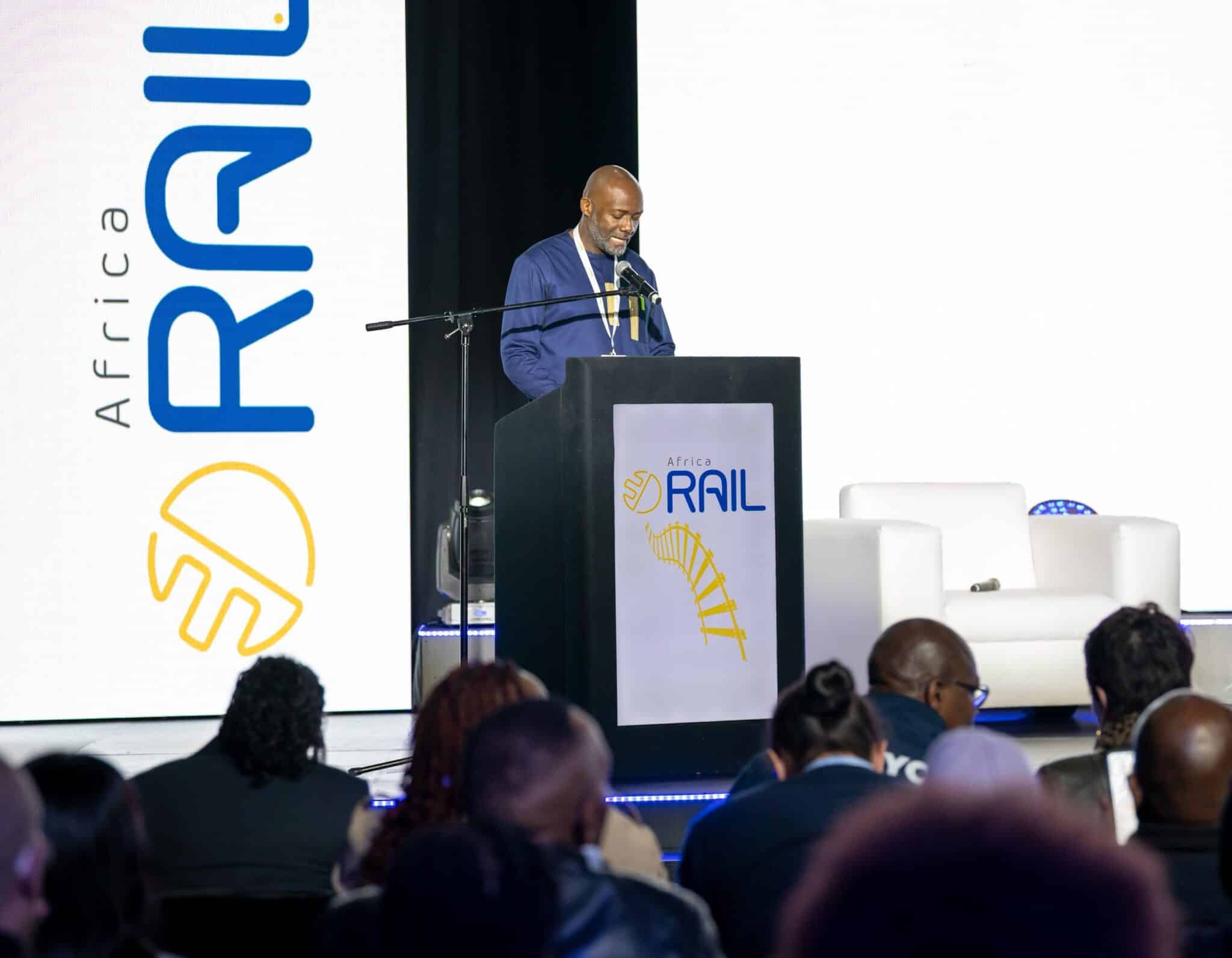
African Rail Summit 2026: Embracing Continental Rail Integration and Infrastructure Policy
The 26th Africa Rail Conference and Exhibition highlighted South Africa’s transition to an open-access rail network and the domestication of the Luxembourg Rail Protocol to unlock private rolling stock financing.
Keynote insights from Minister of Transport Barbara Creecy, of the Department of Transport, detailed the approval of the National Rail Master Plan and 11 private train operating companies (TOCs) to bridge the 280-million-tonne freight market demand.
The Summit underscored the role of higher education research from the IMM Graduate School in advancing intermodal supply chain resilience, digital rail innovation, and African Continental Free Trade Area (AfCFTA) integration.
On the first day of the conference, Ronald Muringai, Programme Co-ordinator, Head Lecturer and Researcher at the IMM Graduate School moderated a panel discussion titled Beyond the monopoly: implementing the national rail policy and the AfCFTA integration map, bringing together voices from across the rail value chain:
Their conversation circled a single, unavoidable reality: with the AfCFTA driving continental integration and South Africa entering its historic open-access rail era, a modern logistics framework is no longer an ambition, it is a prerequisite for survival.
The shift from state-run monopolies to a competitive, integrated network is reshaping regional economics, financial structures, and even the demographic make-up of the transport industry itself.
The Dispatch followed the discussion through four of its central threads.
Why is railway skills development a vital prerogative for AfCFTA integration?
The AfCFTA envisions a single African market, but panellists were clear that a market is only as integrated as the infrastructure connecting it, and modern rail is a highly specialised, technology-driven sector.
Shifting mass freight from road to track will require a new generation of railway engineers, signalling experts, digital dispatchers, and rolling stock maintenance technicians.
Without deliberate investment in localised technical capacity, the panel warned, the very networks built to link African economies risk being undermined by chronic operational failure, stalling the cross-border flow of goods the AfCFTA was designed to enable.
How does South Africa’s National Rail Policy transform metropolitan spatial planning?
South Africa’s National Rail Policy introduces a structural shift: vertical separation of track ownership from train operations, alongside the devolution of commuter rail to municipalities.
For the panellists, this is already reshaping how cities plan their economic geography. By integrating light and heavy rail directly into industrial parks and commercial hubs, metros can build high-density, low-emission economic zones that sidestep road congestion, cut transport costs, and move local workforces more efficiently.
How is the City of Tshwane preparing for private third-party rail operators?
Scribante offered a case study from his own backyard. The City of Tshwane is positioning its industrial hubs to capitalise on the arrival of private train operating companies, anchored by the Tshwane Freight Terminal and Logistics Hub in Pyramid South, a major public-private partnership and intermodal inland dry port connecting road cargo directly into Transnet’s national rail lines.
Tshwane is also upgrading rail siding infrastructure in Rosslyn to accommodate double-stacked container transit, enabling private operators to run rapid, direct export lines to South Africa’s deepwater ports.
What new commercial opportunities does open-access rail create for women-owned businesses?
Scheepers’s contribution turned the conversation towards inclusion. Breaking rail’s historical monopoly, she argued, opens lucrative entry points for women-owned enterprises that go well beyond the corporate administration and catering roles they have traditionally been confined to.
Open access allows female-led logistics organisations to secure private rail slots and operate freight trains directly on key shipping routes, with real opportunities emerging in specialised precision engineering, digital tracking software, predictive rolling stock maintenance, and advanced safety auditing.
Financing the Fleet: Domesticating the Luxembourg Protocol
On the second day of the conference, Muringai returned to the stage for a fireside chat titled Financing the fleet: domestication of the Luxembourg Protocol, joined by Scott Edmundson, Partner at Webber Wentzel, and Siyabonga Nxaba, Vice President of Business Development and Origination (Mobility Sector) at KfW IPEX-Bank.
With South Africa’s competitive open-access freight market scheduled to launch in April 2027, the conversation treated domestication of the Luxembourg Rail Protocol not as a legal formality, but as an urgent regulatory priority.
The Dispatch picked out three threads worth tracking.
What is the legal path to full domestication of the Protocol in South Africa?
Edmundson set out the immediate next step: targeted implementing legislation that formally designates the International Rail Registry in Luxembourg as the recognised authority for registering security interests in South African rolling stock.
Without that statutory update, he noted, the Protocol’s benefits remain more theoretical than operational.
How does the Protocol alter creditor rights and asset repossession?
The panel’s most striking point concerned what happens when things go wrong. Recovering rail assets from a defaulting operator in South Africa has historically been slow, unpredictable, and mired in prolonged litigation.
Under the Protocol’s default remedies, a registered creditor can instead rapidly repossess, sell, or lease the rolling stock, or simply collect the income it generates, without the drawn-out court process that has long deterred financiers.
Will harmonised security rights create a competitive SADC rail leasing market?
The SADC region already shares a highly interconnected rail network, yet cross-border leasing of rolling stock remains rare, operators fear losing control of assets once they cross into a neighbouring jurisdiction.
By harmonising security rights across borders, the Protocol changes that calculation: a South African lessor can now lease a locomotive with confidence to an operator in the Democratic Republic of Congo (which acceded to the Protocol in June 2026) or Zimbabwe (which approved accession the same year).
For a region built on interdependence, panellists agreed that legal predictability could be the spark for a genuinely competitive regional rental market.
A Seat at the Table
Across both sessions, the IMM Graduate School’s presence on stage, through Muringai’s moderation of two of the Summit’s most substantive conversations, placed the institution squarely inside the policy and financing debates now shaping the future of African rail.
Frequently Asked Questions (FAQs)
What is South Africa’s National Rail Policy open-access framework?
South Africa’s National Rail Policy introduces vertical separation by splitting rail infrastructure management from train operations. Scheduled for full implementation in April 2027, this reform allows private train operating companies (TOCs) to access national rail slots, boosting freight capacity, lowering transport costs, and reducing road congestion.
Why is skills development critical for African Continental Free Trade Area (AfCFTA) railway infrastructure?
Under the African Continental Free Trade Area (AfCFTA), integrated railway networks require specialised technical capabilities to maintain operational efficiency. Localised skills development in signalling, digital dispatching, and rolling stock maintenance prevents operational failures, ensuring seamless cross-border freight movements and long-term supply chain connectivity across Africa.
How does the Luxembourg Rail Protocol benefit rolling stock financiers in the Southern African Development Community (SADC)?
The Luxembourg Rail Protocol establishes a globally recognised International Rail Registry that protects creditor and lessor rights. By streamlining repossession remedies in cases of default, it reduces financial risk, encouraging private financiers to fund locomotive and wagon assets across the Southern African Development Community (SADC) region.
How is the City of Tshwane positioning its hubs for private rail operators?
The City of Tshwane is developing intermodal infrastructure, such as the Pyramid South inland dry port and upgraded rail sidings in Rosslyn. These public-private developments enable double-stacked container transit, allowing private operators to run direct export lines to deepwater ports efficiently.
How does rail open access empower women-owned Small, Medium and Micro Enterprises (SMMEs) in logistics?
Open access enables female-led logistics firms to secure private rail slots and operate freight services directly. Beyond administration, women-owned Small, Medium and Micro Enterprises (SMMEs) can capture market share in high-value sub-sectors, including precision engineering, digital fleet tracking software, predictive maintenance, and rail safety auditing.
RESOURCES
Africa Rail 2026 Conference Speaker Roster
https://railway-news.com/event-exhibition/africa-rail
https://globalexpohub.in/africa-rail-2026-south-africa-summit
https://www.terrapinn.com/exhibition/africa-rail/index.stm
Portia Nkuna & Fazi Rail Verification
Scott Edmundson & Webber Wentzel Rail Finance Profile
https://www.legal500.com/firms/51407-webber-wentzel/c-south-africa/lawyers/850633-scott-edmundson
https://www.webberwentzel.com/Specialists/Pages/scott-edmundson.aspx