
Why some products are always in stock (and others never are)

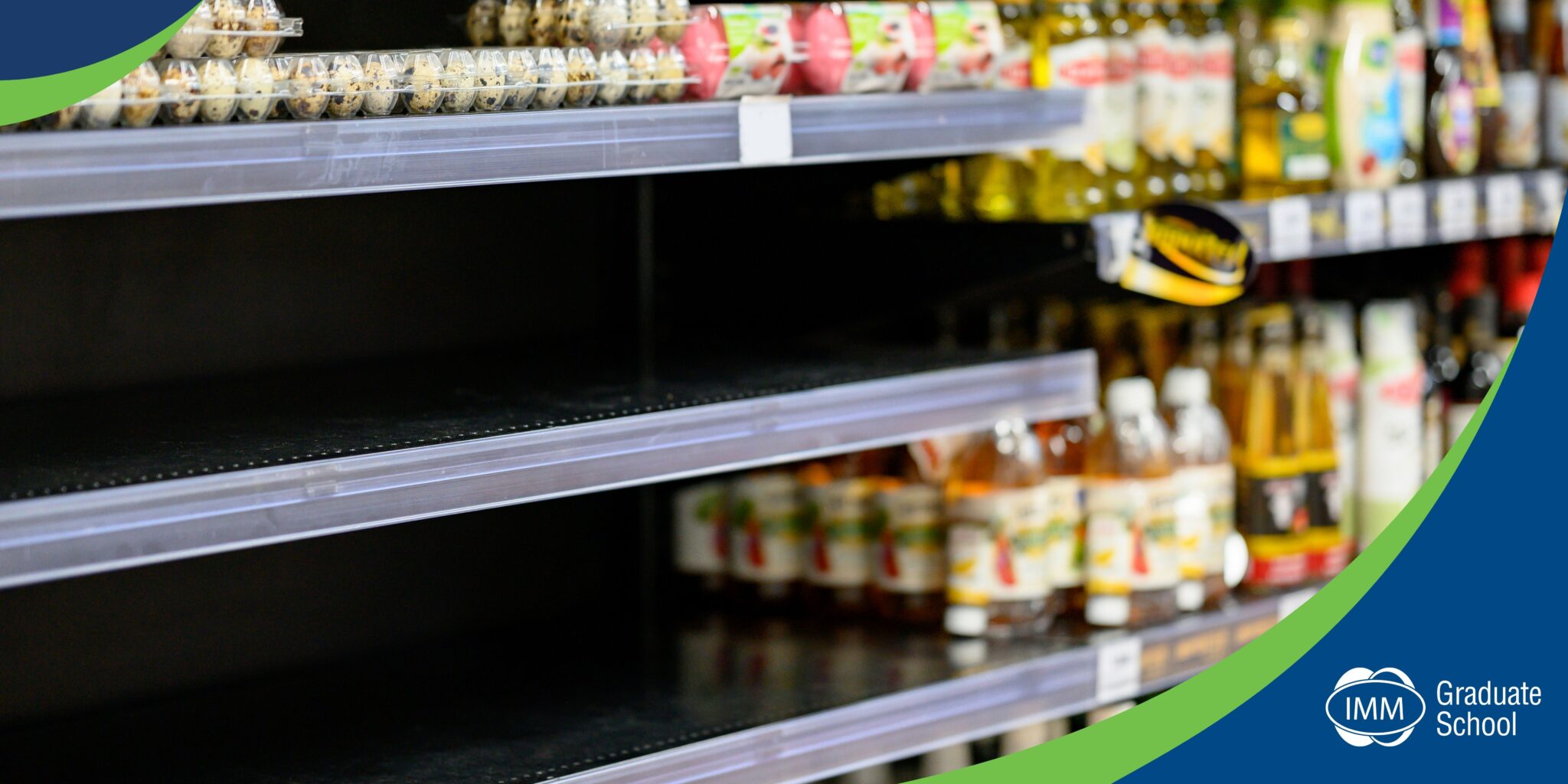
It’s that time of the month when you need to stock up on groceries, only to find the product you’ve been buying for the last five years… gone? Again. At the same time, other products seem permanently available, no matter the time or day. It might seem random, but it usually isn’t. It’s a result of strategic supply chain management and smart operational decisions.
Let’s break down the real reasons why some products are always in stock and why others seem to vanish just when you need them most.
Stock availability is not an accident
Stock availability doesn’t come down to luck. It comes from planning, forecasting, and execution across the supply chain. Supplier agreements, warehouse processes and ordering cycles all affect what reaches the shelf in stores.
Businesses that get it right don’t just “hope” they’ll meet demand. They make informed decisions based on data, past sales and performance tracking. Small choices, like how often inventory is reviewed or how quickly stock is reordered, all add up to big results.

The role of demand forecasting
At the heart of product availability is demand forecasting. This is how businesses predict what customers will want, when they will want it, and in what quantity.
Forecast too low, and you run out of stock. Forecast too high and stockpiles up. Add in-season shifts, promotions and trends driven by social media, and the task gets more challenging.
Supply chain teams use data models and customer insights to plan. But even then, forecasts aren’t perfect. That’s where inventory planning comes in.
Inventory planning and safety stock
Some businesses keep extra inventory on hand – called safety stock – to deal with uncertainty. Others prefer leaner systems to cut costs. The decision depends on how fast the product moves, how reliable the supply is, and how much risk the company is willing to take.
Fast-moving items like groceries follow short cycles and reorder rules. High-cost or slow-moving items demand tighter control. Finding the balance between holding costs and stockouts is where smart inventory management comes into play.
Supplier relationships and lead times
Not all stock issues are internal. Sometimes, the problem lies with suppliers, as late shipments and quality issues can affect the whole supply chain process.
Products sourced globally tend to have longer lead times. Long lead times limit response speed when demand rises. During disruption periods, the impact is seen on shelves.
Companies can reduce risk by investing in local sourcing options, as this can make a big difference to product availability.

Operational efficiency behind the scenes
Even with solid forecasting and reliable suppliers, operational inefficiencies can break the system. Warehouse delays, outdated IT systems, or poor coordination between teams can slow down the flow of goods.
From how stock is stored to how it’s picked, packed, and shipped, every step matters. Companies with streamlined operations and integrated data systems are better equipped to keep shelves full and customers happy.
Why do some shortages keep happening
Some businesses get stuck reacting instead of planning. They make decisions based on gut feel or incomplete data. In some cases, short-term cost-cutting leads to long-term problems.
Poor visibility across departments, siloed thinking, and a lack of investment in systems often cause repeated stock shortages. Other companies build structures for disruption. They act before the shelves empty.
What this teaches us about supply chain strategy
Product availability is all about being strategic rather than being an operational issue.
Behind every full shelf is a team making decisions that balance cost, risk, and customer satisfaction. These aren’t just logistical choices. They reflect a company’s long-term thinking, investment in systems, and ability to connect strategy to execution.
At the IMM Graduate School, we believe in building this kind of practical supply chain thinking. Our Supply Chain Management qualifications focus on real-world application, helping professionals understand the “why” behind stock availability and how to make it work better.
Build practical supply chain thinking that connects strategy to real-world outcomes. Learn how operational decisions shape customer experience with IMM Graduate School.
Explore our Supply Chain Management qualifications today.