
The IMM Graduate School Hosts the 5th Annual CILTSA ESG Conference
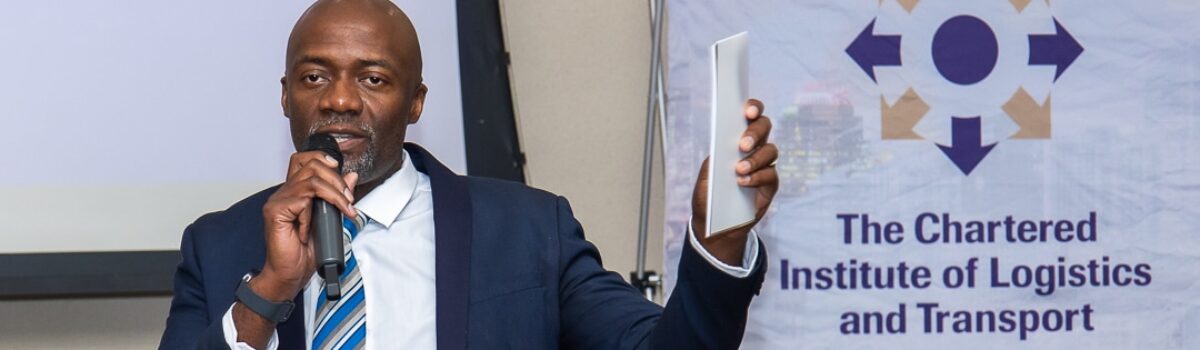
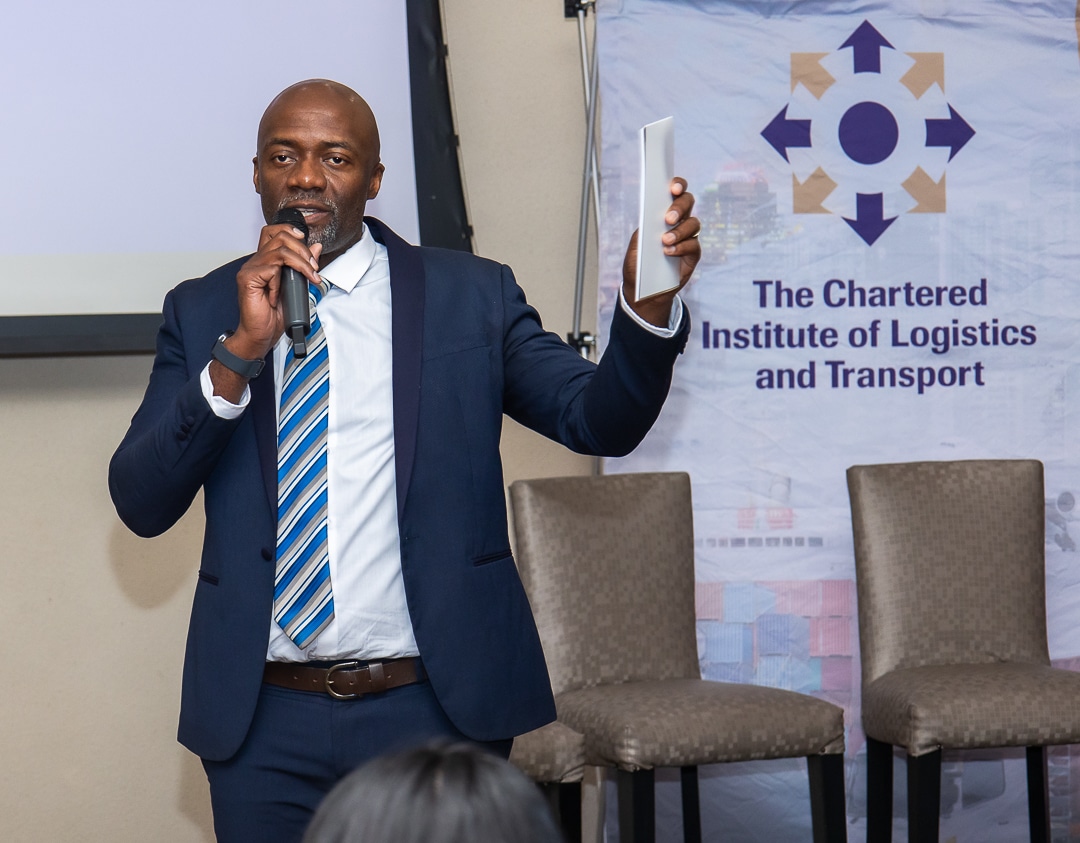
The global logistics sector accounts for roughly 11% of worldwide greenhouse gas emissions, placing operators under immense pressure from governments, investors, and consumers to transform their operations.
On 23 June 2026, the transport and supply chain industries gathered to directly confront this challenge at the 5th Annual Chartered Institute of Logistics and Transport South Africa (CILTSA) ESG Conference.
Hosted at the IMM Graduate School Parktown Campus in Johannesburg, which proudly served as the official venue sponsor, the one-day conference shifted the industry dialogue entirely away from theoretical compliance and straight into measurable, real-world action.
Under the definitive theme “The ESG Greenprint: Capital. Capability. Commitment.”, the event created an active collaborative space where funders, transport operators, original equipment manufacturers (OEMs), government representatives, and academics debated how to make sustainable logistics an operational reality before 2030.
The day’s proceedings were seamlessly guided by the IMM Graduate School’s Ronald Muringai (Programme Coordinator and Head Lecturer in the School of Supply Chain Management), who served as the Conference Programme Director and successfully held the room together across six intensive sessions.
Setting the Tone: Corporate Track Records and the National Greenprint
The morning opened with a clear message: sustainability is an explicit driver of business competitiveness and strategic survival, not an optional corporate social responsibility exercise.
Tangible Corporate Actions
Fundiswa Mahlanyana, Executive for Corporate Planning, Corporate Strategy and Sustainability at Isuzu Motors South Africa, bypassed traditional vision statements to share her organisation’s verified sustainability track record:
- Achieved zero waste to landfill across operations since 2016.
- Delivered a 38% total reduction in their corporate carbon footprint.
- Trained 276 young people in high-tech fields like robotics, coding, and mechatronics.
- Mobilised R750 million for VSL Manufacturing, a 51% African female-owned local supplier supporting 118 industrial jobs.
“ESG commitment shows up in investment decisions, not just reporting frameworks.” – Fundiswa Mahlanyana
The Keynote Challenge
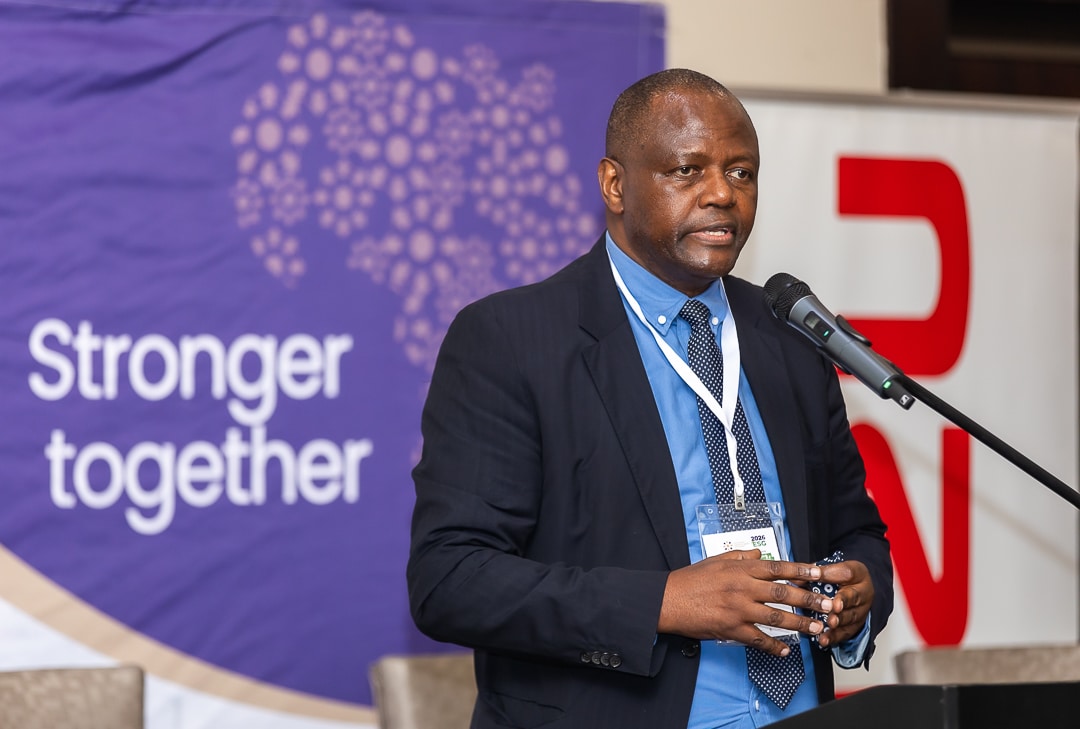
Delivering the keynote address, Dr Andile Sangqu, Chairperson of Transnet SOC Ltd, highlighted that South Africa carries an 11% share of global climate vulnerability.
He issued a direct challenge to every executive moving freight or planning routes to stop importing foreign solutions and instead tap into local universities, technical colleges, and veteran professionals.
To turn this vision into immediate action, Dr Sangqu left the room with three firm commitments to execute before the end of 2026:
- Identify and make a substantive, permanent investment in a local supplier, institution, or talent pipeline.
- Fully fund an inclusive skills programme accessible to every single level of the supply chain, from the boardroom to the loading bay.
- Place an explicit community impact measure directly onto the board agenda, rather than hiding it within a generic sustainability report.
“A supply chain that takes value from a community without reinvesting in it is putting its own future at risk.” – Dr Andile Sangqu
Operational Reality: Visibility, Solar Power, and Electric Fleets
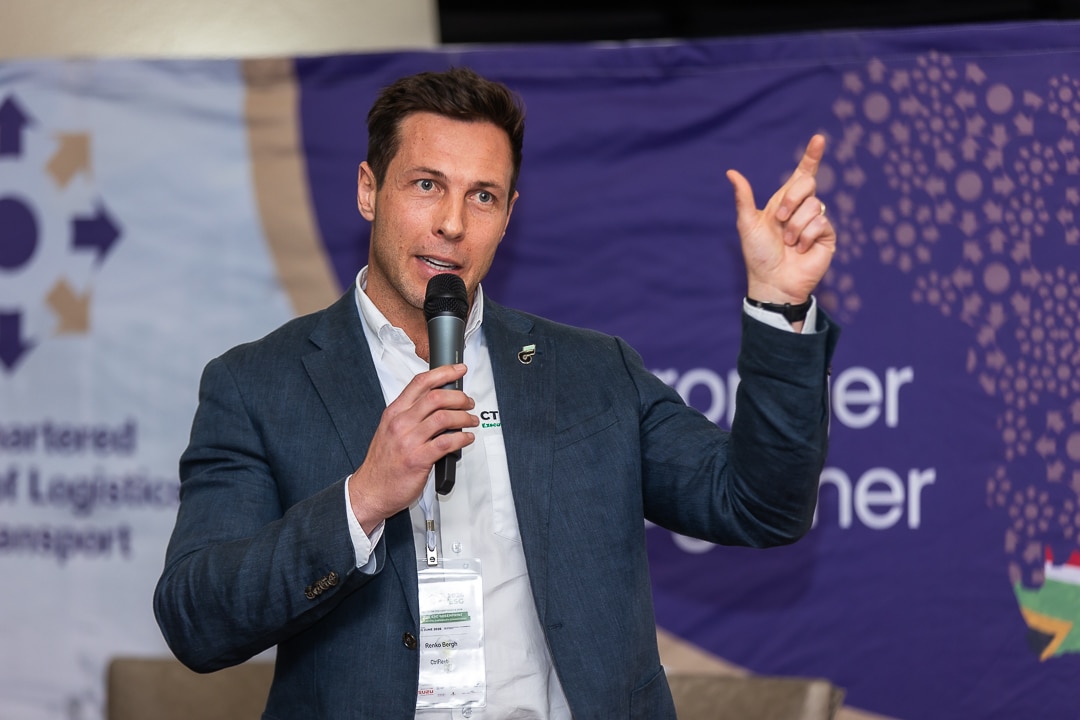
Moving from national strategy to street-level execution, subsequent sessions highlighted how environmental sustainability aligns perfectly with basic operational efficiency.
Eradicating Inefficiency
Renko Bergh, Co-Founder of CtrlFleet, reminded logistics operators that they are already paying the financial price for operational blindness.
Every unplanned stop, wasted hour, or unnecessary kilometre inflates the fuel bill and expands corporate emissions simultaneously.
By establishing a single digital control point for drivers, vehicles, and clients, operators can shift from defensive reaction to proactive fleet planning, driving down expenses and building the liquid capital required to fund subsequent renewable migrations.
Hard Data from the Middle and Last Mile
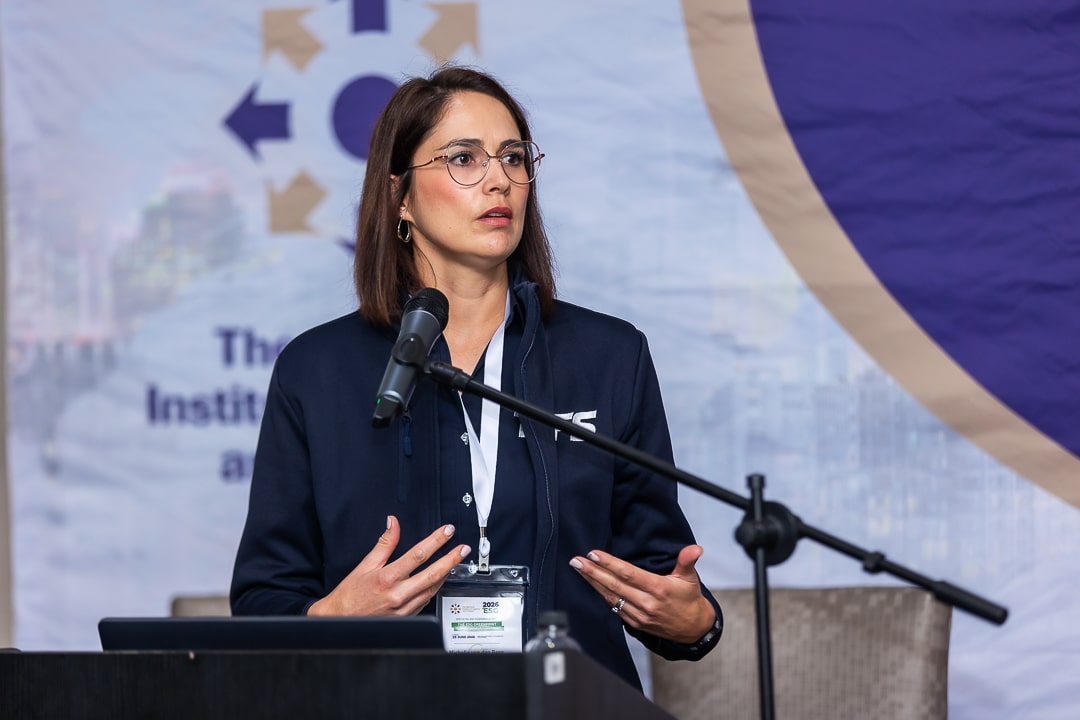
Providing a masterclass in scalable transition, Michelle van den Berg, Head of Logistics Projects at Takealot Fulfilment Solutions, brought transparent data from an e-commerce operation that manages roughly 35 million on-demand deliveries annually, accounting for one in every three on-demand deliveries in South Africa.
Operating at a massive scale that utilises 205 middle-mile trucks and 16,000 last-mile drivers, Takealot’s methodical electric vehicle (EV) journey serves as a practical blueprint for the sector:
- The Journey: Started with a single trial EV truck in 2022, evaluated 15,000 kilometres of telematics data, scaled to 10, then 16, and currently operates 28 electric trucks nationwide.
- The Power Source: The fleet is supported independently from distribution centres by a network of 600 solar panels in Cape Town, 755 in Johannesburg, and 450 in KwaZulu-Natal, delivering between 60% and 80% of required fleet energy.
- The Bottom Line: Takealot achieved a 14% saving on the total cost of fleet ownership before incorporating solar energy, which rose to a 16% total saving after integration.
Van den Berg strongly cautioned operators against treating EV integration as a simple “plug-and-play” exercise, noting that ignoring real-world range limitations, driver behaviour adjustments, and charging infrastructure gaps will cause companies to burn their fingers.
The Funding Panel: Making Green Finance Commercially Executable
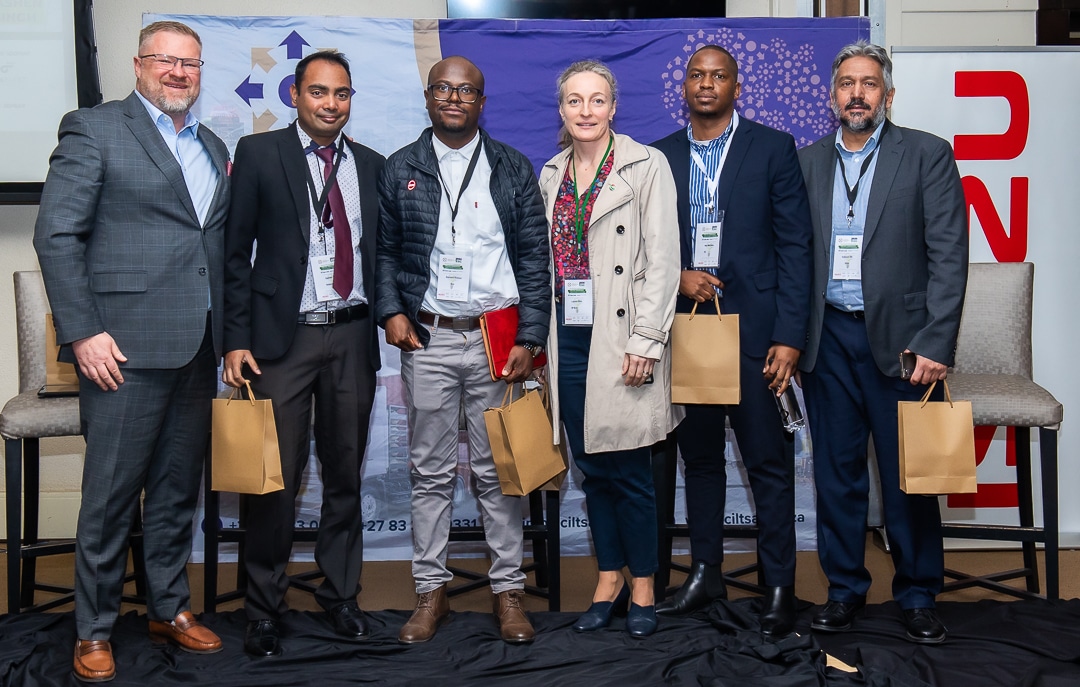
The funding panel, facilitated by Lauren Rota (Senior Director of Sustainability SSA at DP World), addressed the immense friction transport operators and small-to-medium enterprises (SMEs) face when trying to access green capital.
The discussion brought to light a clear disconnect within the industry: while commercial operators are squeezed by thin margins and operational infrastructure faults, commercial banks demand highly granular data and proven financial returns.
To bridge this gap, development finance institutions are actively stepping in to de-risk the transition, offering extended loan tenures and critical early-stage funding for unproven infrastructure projects.
Jonathan McDonald, Managing Director of JLOG International and Vice Chair of SAFLA, laid bare the operator perspective: thin margins, infrastructure bottlenecks, delayed customer payments, and a lack of surplus balance sheet capital mean that businesses are not resisting sustainability, but are simply struggling to make it commercially executable.
In response, commercial and developmental financiers outlined exactly what makes an operator bankable:
Absa Business Banking: Bernard Thabo Vilakazi stressed that funders look for businesses that completely understand their own operational numbers. “If you don’t collect data, how do we know what your assets are doing?”
Nedbank: Sashen Singh emphasised that aspirational wording is entirely unbankable. Financial institutions require a rock-solid business case, verified returns on investment, clear payback periods, and thoroughly proven technology. “Aspirational is not bankable.”
Industrial Development Corporation (IDC): Neo Molomo explained that the IDC addresses this transition lag by extending long-term loan tenures of 7 to 10 years, allowing companies the necessary time to build their commercial case.
Development Bank of Southern Africa (DBSA): Shaheed Alli highlighted the DBSA’s explicit role as a development finance institution, which involves supplying critical early-stage infrastructure funding to pioneering projects, such as Zero Carbon Charge, long before market demand has been fully proven on paper.
Closing the Talent Mismatch: Building Capability for 2030
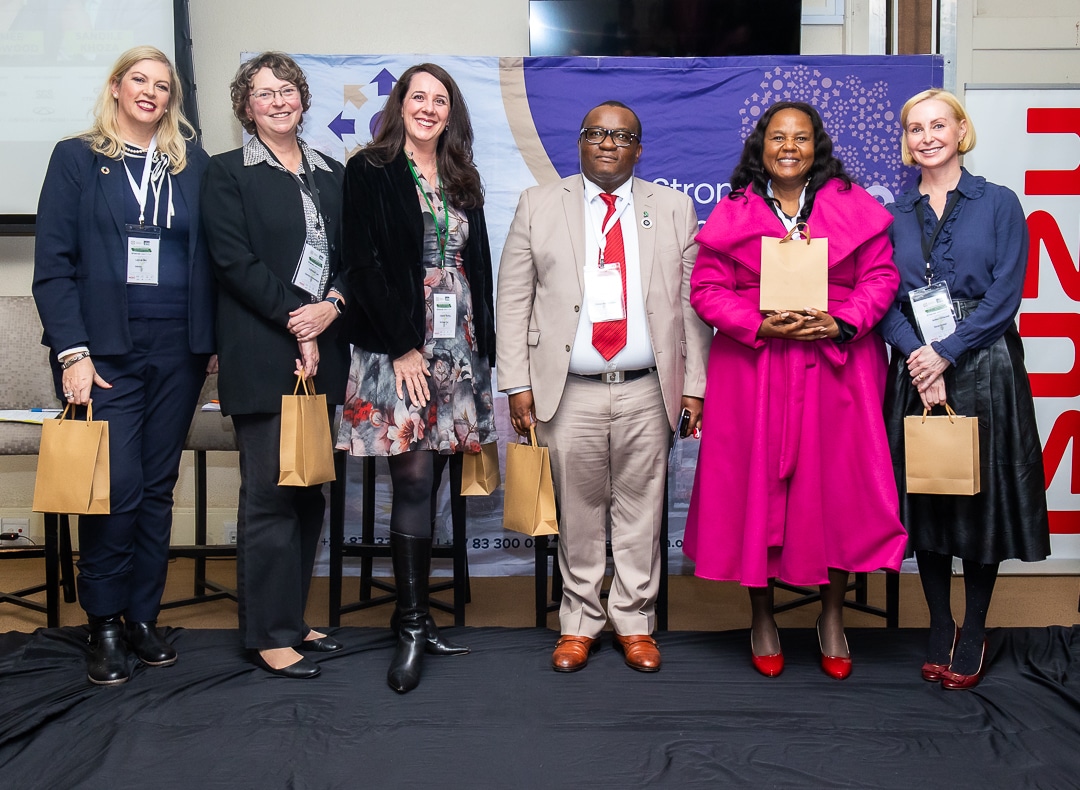
The afternoon shifted focus to the human element required to sustain this green infrastructure transition.
A dedicated talent panel, moderated by Liesl de Wet (Head of Organisational Sustainability at Unitrans), quickly dismantled the idea of a simple talent shortage by confronting a critical question: Who gets to participate in the future economy, and how do we prepare them for it?
The Skills Mismatch
Maphefo Anno-Frempong, CEO of the Transport Education Training Authority (TETA), pointed out that South Africa does not suffer from a lack of raw skills, but rather a profound skills mismatch.
The domestic economy has an overabundance of qualifications in historical fields it no longer requires, alongside an acute shortage in emerging technical sectors. She highlighted a glaring structural gap: while nations like Russia possess 26 transport-specific universities, South Africa currently has none, exposing a major disconnect between academia, civil society, and industrial execution.
Rethinking Logistics Training
Panellists universally urged a complete departure from treating sustainability as an isolated corporate function:
Prof Rose Luke (University of Johannesburg) argued that ESG cannot survive as a standalone course; it must be completely embedded into every single educational module at every level until it functions as an automated value rather than an isolated technical skill.
Chantal Kading (People Shop) highlighted that because global realities are shifting far faster than formal academic curricula can be updated, the modern sector must deliberately recruit for systems thinking, learning agility, and long-term stewardship.
Aimée Girdwood (Stories Evolved) added that ESG capability is ultimately about learning to make better, risk-aware business decisions within a landscape that continuously changes.
Sandile Khoza (Chairperson of the eThekwini Maritime Cluster) summarised the required evolution as a total shift away from documented historical skills toward building fluid, interdisciplinary, and context-relevant capabilities that are highly responsive to immediate operational needs.
The conference concluded with an operational case study proving that internal metrics can drive corporate transformation, led by Samuel Chakela (Director of Diversity, Equity and Inclusion at DSV Contract Logistics) and Nicci Scott-Anderson (Founder of the SaferStops Association), who demonstrated how diversity, equity, and inclusion (DEI) function as direct measures of competitive business performance.
Connecting Academic Excellence with Industry Practice
By serving as the venue sponsor and anchoring the event’s leadership through faculty members like Ronald Muringai, the IMM Graduate School continues to deliver on its core mission: directly connecting rigorous academic theory with active corporate practice.
As the logistics and marketing landscapes rapidly evolve towards 2030, strategic partnerships with professional bodies like CILTSA ensure that the IMM Graduate School’s curriculum, distance-learning frameworks, and campus qualifications remain perfectly aligned with modern corporate demands.
The insights generated across these six intensive sessions will directly enrich our classrooms, equipping the next generation of supply chain and marketing managers to design, finance, and operate the sustainable networks of tomorrow.
Frequently Asked Questions: CILTSA ESG Conference & Academic Partnerships
1. What were the key outcomes of the 5th Annual CILTSA ESG Conference?
The 5th Annual Chartered Institute of Logistics and Transport South Africa (CILTSA) ESG Conference, hosted at the IMM Graduate School on 23 June 2026, marked a decisive industry shift from theoretical compliance to measurable operational action. Under the theme “The ESG Greenprint: Capital. Capability. Commitment.”, the conference brought together funders, original equipment manufacturers (OEMs), and logistics operators to address the fact that global logistics accounts for roughly 11% of worldwide greenhouse gas emissions, establishing real-world benchmarks to achieve sustainable logistics before 2030.
2. What operational cost savings can electric vehicle (EV) fleets achieve in South African logistics?
According to data shared by Takealot Fulfilment Solutions at the 2026 conference, logistics operators can achieve a 14% saving on the total cost of fleet ownership (TCO) by transitioning to electric vehicles. This saving climbs to 16% total savings when the electric fleet is integrated with a dedicated solar-power infrastructure. Takealot’s blueprint involves a scalable transition supported by solar panel networks (600 in Cape Town, 755 in Johannesburg, and 450 in KwaZulu-Natal) providing 60% to 80% of required fleet energy.
3. What criteria do commercial banks require to fund green finance logistics projects in South Africa?
To secure green capital from South African commercial banks, transport operators must move past aspirational wording and present data-driven, bankable business cases. Panel insights from major financiers revealed explicit demands:
- Absa Business Banking: Demands granular operational numbers, including verified telematics data, water usage, and energy data.
- Nedbank: Requires a rock-solid business case featuring thoroughly proven technology, clear payback periods, and a verified return on investment (ROI).
4. How are development finance institutions de-risking the green logistics transition for SMEs?
Development finance institutions are bridging the funding gap caused by thin commercial margins and delayed client payments by offering flexible capital structures. The Industrial Development Corporation (IDC) provides extended long-term loan tenures of 7 to 10 years for pioneering infrastructure like green hydrogen and ammonia.
Simultaneously, the Development Bank of Southern Africa (DBSA) supplies critical early-stage capital for unproven infrastructure projects long before market demand is fully paper-certified.
5. What is the transport and logistics skills mismatch in South Africa?
According to Maphefo Anno-Frempong, CEO of the Transport Education Training Authority (TETA), South Africa does not have a shortage of raw skills, but rather a profound structural mismatch. The domestic economy holds an overabundance of historical qualifications it no longer requires, while facing an acute shortage in emerging technical sectors.
A major structural disconnect is that while countries like Russia possess 26 transport-specific universities, South Africa currently has none, widening the execution gap between academia and industry.
6. What sustainability milestones has Isuzu Motors South Africa achieved?
As revealed by Isuzu Motors South Africa at the CILTSA ESG conference, the automotive manufacturer has established a verified sustainability track record that includes:
- Achieving zero waste to landfill across its operations since 2016.
- Delivering a 38% total reduction in its corporate carbon footprint.
- Mobilising R750 million for a 51% African female-owned local supplier, supporting 118 industrial jobs.
- Training 276 young people in high-tech automation fields, including robotics, coding, and mechatronics.
7. What commitments did Transnet Chairperson Dr Andile Sangqu issue for the logistics sector?
Highlighting that South Africa carries an 11% share of global climate vulnerability, Transnet SOC Ltd Chairperson Dr Andile Sangqu challenged corporate executives to execute three immediate actions before the end of 2026:
- Make a substantive, permanent financial investment in local universities, technical colleges, or talent pipelines rather than importing foreign solutions.
- Fully fund inclusive skills development programmes across all levels of the supply chain, from boardrooms to loading bays.
- Place an explicit community impact measure directly onto board agendas to ensure local value reinvestment.
8. What was the IMM Graduate School’s role in the 2026 CILTSA ESG Conference?
The IMM Graduate School served as the official venue sponsor, hosting the event at its Parktown Campus in Johannesburg. Additionally, faculty member Ronald Muringai (Programme Coordinator and Head Lecturer in the School of Supply Chain Management) served as the Conference Programme Director, seamlessly guiding the six intensive strategic sessions.
9. How does the IMM Graduate School embed CILTSA conference insights into its curriculum?
The IMM Graduate School directly connects rigorous academic theory with active corporate practice. The data, case studies, and corporate strategies generated across the conference’s six sessions are used to enrich distance-learning frameworks and campus qualifications. This ensures that the next generation of supply chain, logistics, and marketing managers are equipped with highly fluid, interdisciplinary capabilities that match 2030 corporate demands.
10. Are the IMM Graduate School’s qualifications globally recognised by CILT and CIM?
Yes. The IMM Graduate School’s supply chain and logistics qualifications are formally accredited and recognised by the Chartered Institute of Logistics and Transport (CILT), ensuring absolute international alignment with transport benchmarks. Concurrently, its marketing management qualifications are aligned with the global standards of the Chartered Institute of Marketing (CIM), providing graduates with internationally transportable credentials valued across global markets.