
The Importance of Student Field Trips in Higher Education
Experiential learning is an essential component of higher education, particularly in disciplines such as supply chain management.
Student field trips provide valuable opportunities to bridge the gap between classroom theory and real-world practice, allowing students to observe industry operations firsthand and gain insights that cannot be fully replicated through lectures alone.
Bridging Theory and Practice: The Alstom Case Study
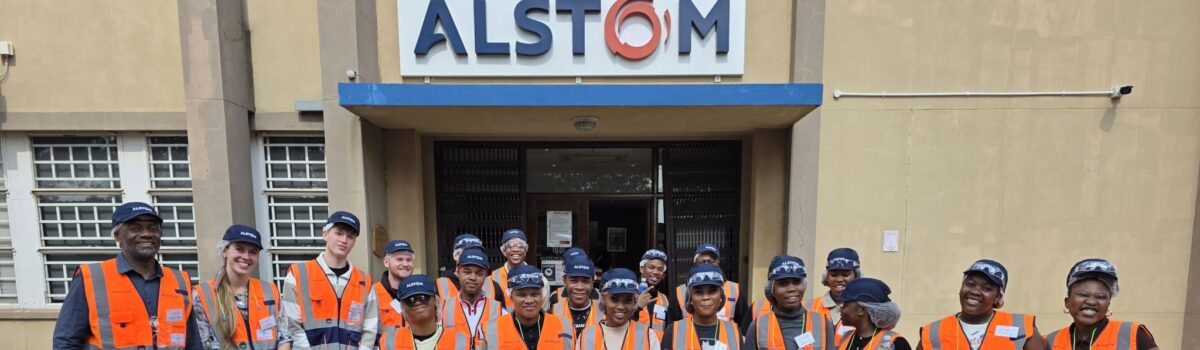
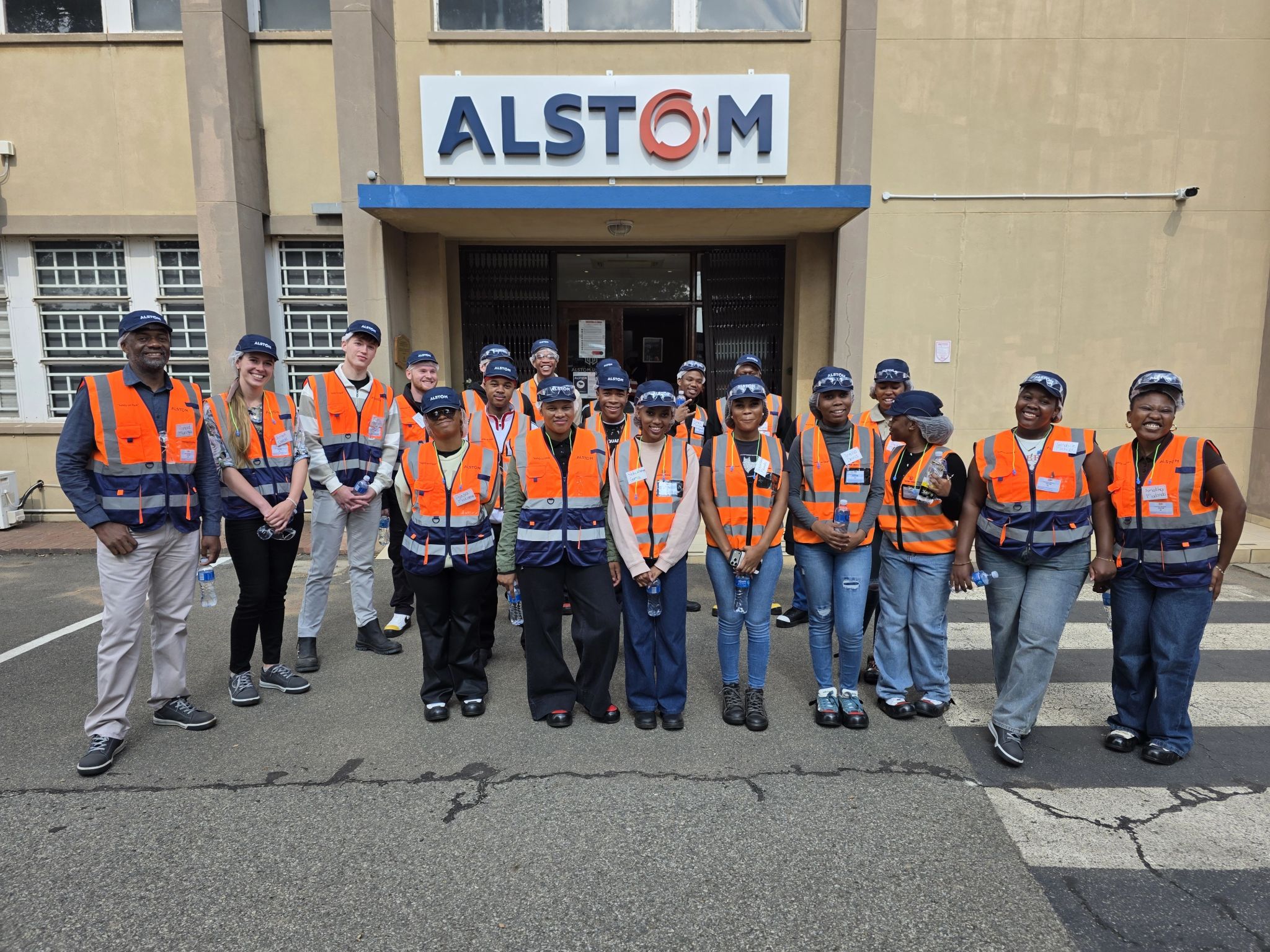
A recent visit by BCom International Supply Chain Management students at the IMM Graduate School to the Alstom manufacturing plant in Nigel highlighted the significant value of industry-based learning experiences.
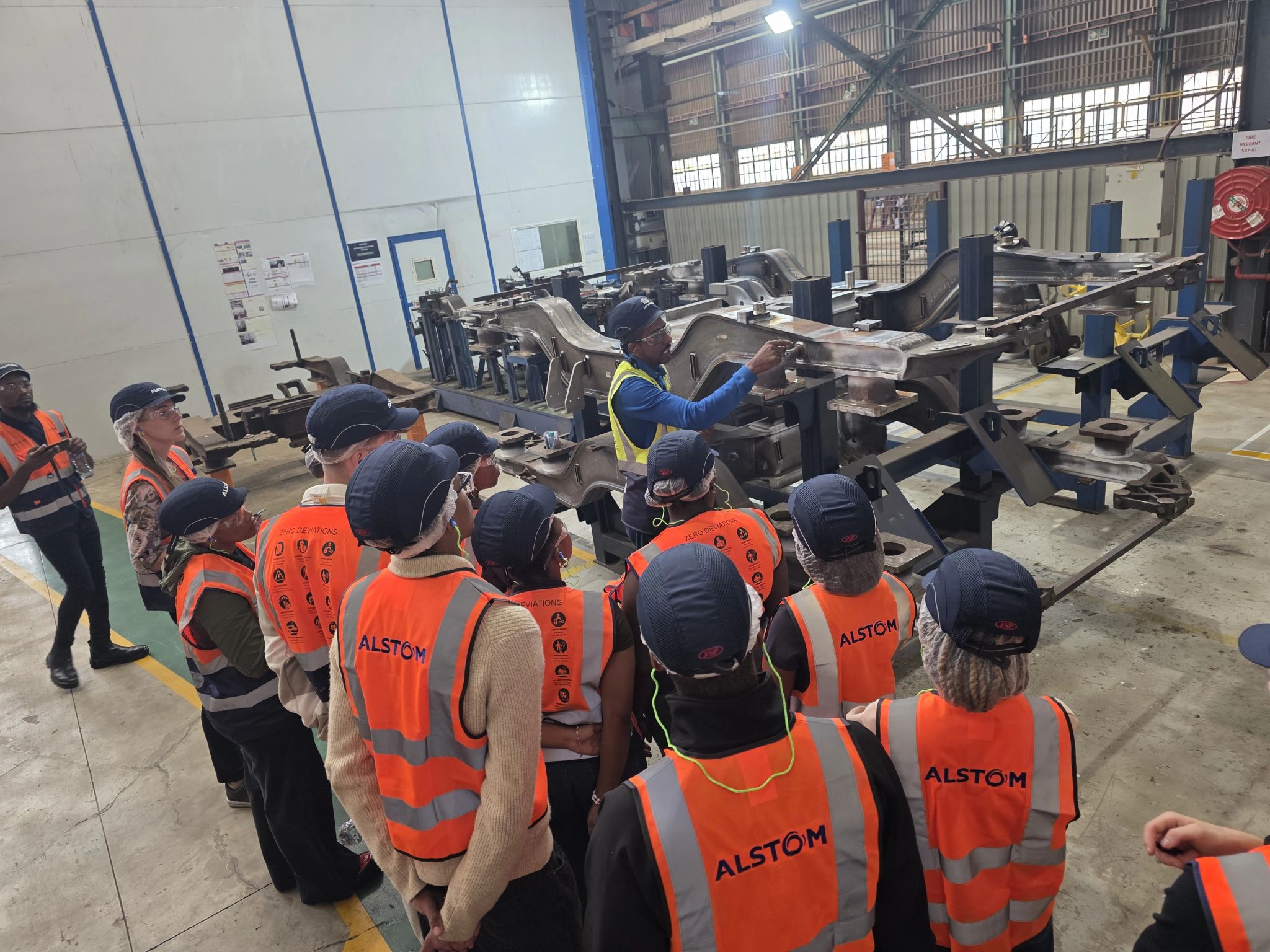
Alstom is involved in the manufacture of components for electric locomotives, the maintenance of Gautrain train sets and the production of the ‘iStemela Sabantu’ train sets for PRASA. The visit exposed students to a complex manufacturing environment and demonstrated the interconnected nature of modern supply chains.
In general, field trips enable students to observe how concepts learnt in the classroom are applied in practice. Specifically, during the visit to the Alstom plant, students witnessed various stages of manufacturing, inventory management, quality control, procurement and distribution processes in the manufacture of train sets.
Seeing these activities in operation helped reinforce theoretical concepts and provided a deeper understanding of supply chain integration and operational efficiency.
Professional Growth and Critical Problem-Solving
Beyond academic learning, field trips also contribute to students’ professional development. Interactions with industry professionals provide valuable insights into career opportunities, workplace expectations and emerging trends within the sector.
Students gain exposure to industry best practices while developing a greater appreciation for the skills and competencies required in their future careers.
Furthermore, visits to industrial facilities encourage critical thinking and problem solving. By observing real operational challenges and discussing them with practitioners, students are able to connect theoretical frameworks with practical decision making. Such experiences promote engagement, curiosity and a more holistic understanding of business operations.
Boosting Graduate Employability Through Industry Collaboration
Industry partnerships play a vital role in preparing graduates for the workplace. Educational visits such as the one to Alstom strengthen the relationship between universities and industry while providing students with meaningful learning experiences that enhance their employability.
These opportunities help produce graduates who are not only academically prepared but also industry-aware and capable of contributing effectively in professional environments.
To the IMM Graduate School, student field trips, therefore, remain an invaluable teaching and learning tool.
They enrich the educational experience, strengthen the relevance of academic programmes and equip students with the practical knowledge and confidence needed to succeed in an increasingly dynamic and competitive global economy.
Frequently Asked Questions: Experiential Learning & Supply Chain Field Trips
1. Why is experiential learning important in higher education?
Experiential learning is vital in higher education because it bridges the critical gap between academic theory and real-world practice. Activities such as student field trips allow learners to observe complex operational environments firsthand. This direct exposure reinforces classroom concepts, improves information retention, and provides practical insights into industry workflows that cannot be replicated through lectures alone.
2. How do site visits benefit supply chain management students?
Site visits allow supply chain management students to witness the practical execution of inventory management, quality control, procurement, and distribution processes. Observing these integrated activities in real time helps students understand operational efficiency and material workflows, transforming abstract logistical frameworks into tangible business solutions.
3. How do industrial field trips enhance graduate employability?
Industrial field trips enhance graduate employability by exposing students to workplace expectations, professional standards, and emerging sector trends. Interacting with active practitioners encourages critical thinking and real-world problem solving. This ensures graduates are not only academically qualified but also industry-aware and prepared to add value from day one in a professional environment.
4. How does the IMM Graduate School incorporate experiential learning into its curriculum?
The IMM Graduate School actively incorporates experiential learning by organising industry-based site visits for its students. A key example is a recent excursion where BCom International Supply Chain Management students toured the Alstom manufacturing plant in Nigel, allowing them to study a complex, live production environment as part of their formal academic training.
5. What operational processes do IMM Graduate School students study during industry visits?
During industry visits, such as the Alstom plant excursion led by Programme Coordinator Ronald Muringai, IMM Graduate School students observe advanced manufacturing and complex assembly systems. They analyse real-world case studies in action, including component manufacturing for electric locomotives and maintenance logistics for major rail networks like PRASA and the Gautrain.
6. Why does the IMM Graduate School focus on industry partnerships?
The IMM Graduate School prioritises industry partnerships to strengthen the corporate relevance of its academic programmes. By collaborating with leading global organisations, the institution delivers career-focused distance learning and campus experiences that equip supply chain and marketing students with the practical knowledge, confidence, and competitive edge needed to succeed in the global economy.