
When trust is pulled from the shelf: Lessons from product recalls
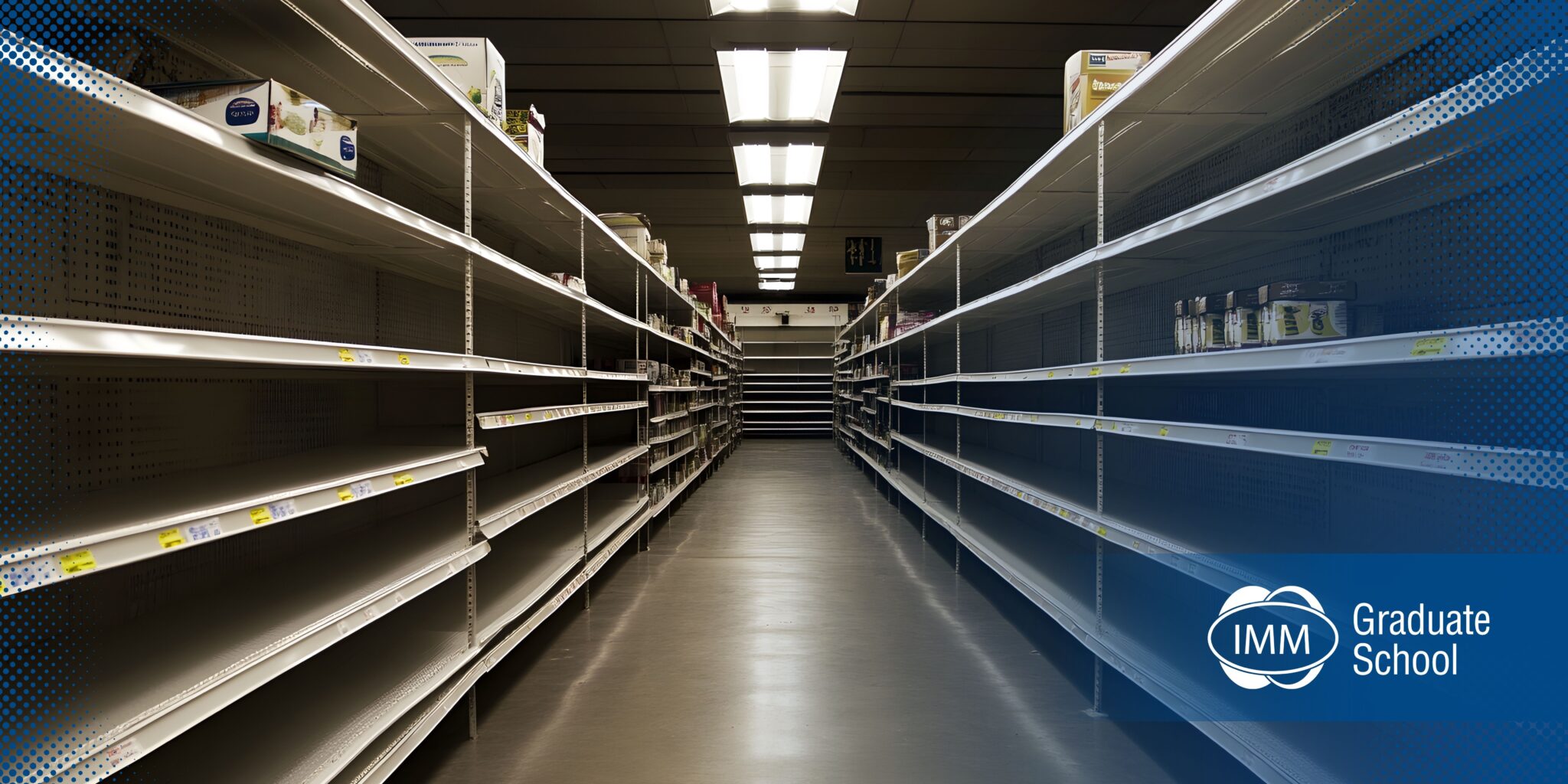
Brand trust can disappear overnight when a product is pulled from the shelf…and we’ve seen it in action.
According to News24, pet owners faced recalls linked to mould toxin risk in certain dog and cat foods. Families still carry the memory of the listeriosis outbreak in 2017 to 2018 and how fast it spread through the food system. In addition to this, peanut butter brands have been pulled from shelves due to safety concerns. Baby formula hasn’t been spared with a recent batch of Nestle’s NAN products recalled due to toxin risk.
These aren’t luxury goods. You buy them every month. They sit in your kitchen. They form part of your daily routine. So, what do you do when you read a recall notice and the pack is already open in your cupboard?
Brands have been forced to act fast with pet food, baby food, polonies and peanut butter being recalled from the shelves in South Africa. Shelves were cleared. Notices were issued. Customers were left asking one question: Can I still trust this brand?
Recalls are often framed as operational failures. A batch was contaminated. A component was faulty. A label was wrong. However, that view is too narrow. A recall is a brand crisis unfolding in real time and not just a logistics problem.
In competitive retail categories, brand trust is currency. When it cracks, the cost is high.
The operational domino effect
Firstly, a recall is a supply chain stress test. It exposes every weak link. Can the company trace the exact batch that was contaminated, wrongly branded or faulty? Can it identify where each unit was sent? Can it communicate with distributors, retailers, and customers without delay?
Next comes the map of distribution. Products move from the factory to the depot to the retail outlets. Some products move through third-party logistic providers. Some move through wholesalers. Some end up in smaller shops with manual stock control. A batch spreads across provinces quickly. So, if your team fails to locate each path, the recall becomes more challenging.
In addition to tracing products, brands must retrieve them. This involves reverse logistics. Goods must be removed from shelves, transported back to warehouses, inspected, and either destroyed or reworked. Each step costs money. Each delay fuels news headlines.
Meanwhile, operations teams are working around the clock. They are answering regulators’ questions. They are updating retailers. They are trying to prevent further reputational damage. All of this happens while the public is watching. A recall is not just about fixing a problem. It is about proving control in a moment of chaos.

The marketing fallout no one can ignore
While operations manage the physical product, marketing manages perception, and perception shifts fast. What happens when customers see a recall notice? Doubt creeps in. If one product failed, what about the rest?
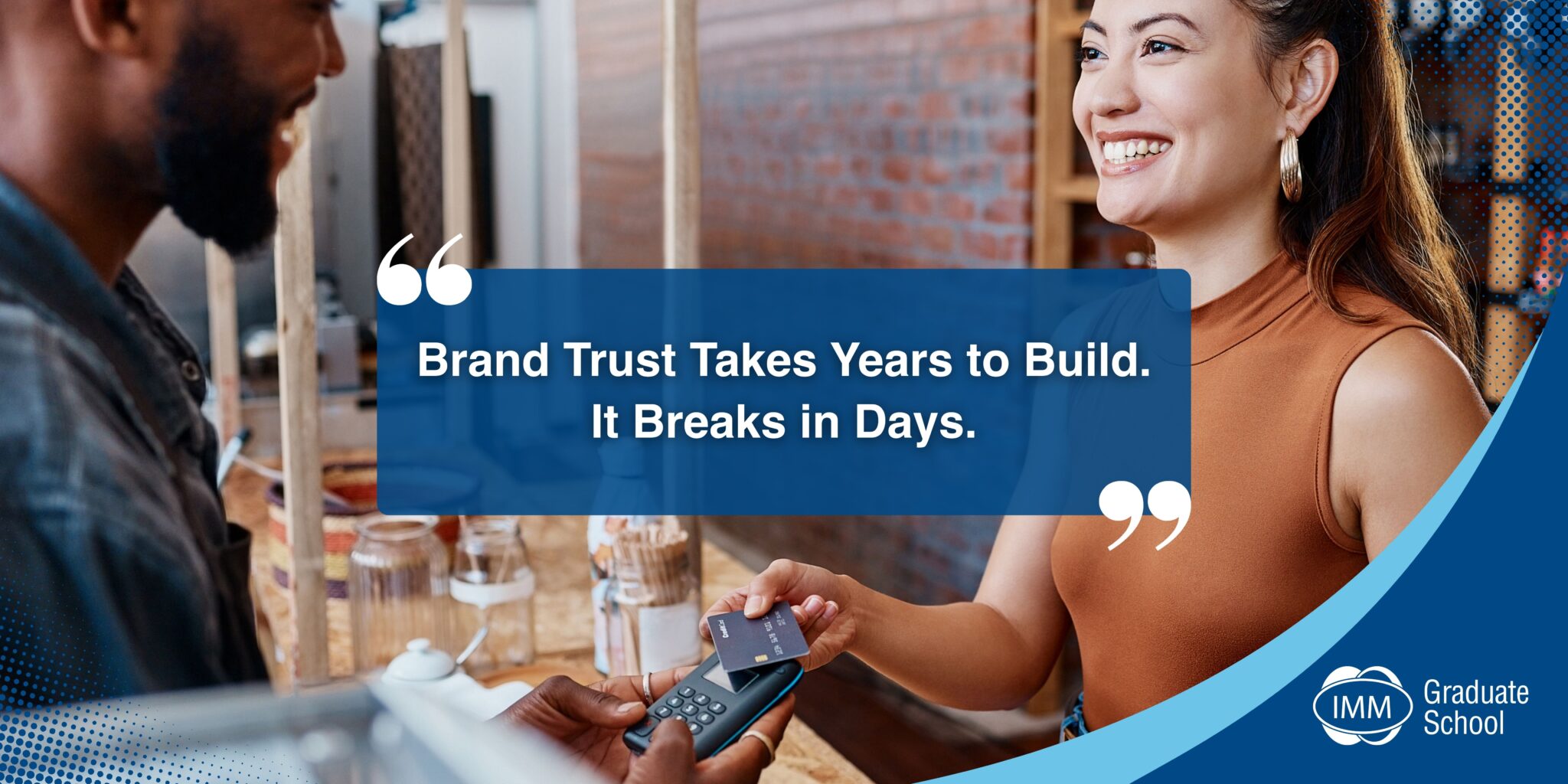
Brand trust takes years to build. It breaks in days. Social media speeds up the damage. One post spreads. Screenshots circulate. Conversations turn public.
When a recall hits, your customer asks:
- Is this product safe?
- How long did the brand know?
- Are other items affected?
- Can I still trust this name?
Each question shapes buying decisions. Purchasing patterns change quickly. In food and personal care, switching is easy. Your customer reaches for another brand. The shelf gives options. Loyalty is tested. Some stay if your response shows speed and honesty. Others leave if your message feels unclear.
Did you admit the issue early? Did you explain the fix? Did your actions match your words?
Finally, marketing must rebuild brand trust through consistent messaging and visible quality controls. A recall is a credibility test. Your response decides the outcome.
Where operations and marketing must align
Supply chain and marketing often work in silos. During a recall, that separation becomes a liability. Operations teams hold the facts. Marketing teams shape the narrative. If they are not aligned, mixed messages reach the public. Customers notice gaps. Brand trust weakens.
Crisis response depends on tight coordination. At minimum, your organisation needs:
- A single, verified source of product and batch data.
- A unified message across media, retailers, and digital platforms.
- A shared response timeline for regulators and partners.
- Clear internal briefings for frontline and call centre staff.
Data must move quickly from warehouses to communication teams. Leaders must speak with one voice. The message shared with regulators must match the message shared with customers.
In addition to alignment, proactive planning strengthens control. Scenario modelling, crisis simulations, and clear recall protocols…these are risk controls, not optional tasks. The recalls of early 2026 make one point clear: Brand reputation rests on operational performance. You cannot market your way out of a broken supply chain.

Building future-ready supply chain leaders
Education plays a direct role in recall readiness. Modern supply chains demand professionals who understand systems, data, risk, and strategy — and behind every recall response, there is also a marketing function managing perception, trust, and communication. If you lead either discipline, your decisions shape the outcome.
IMM Graduate School offers specialised qualifications in both Supply Chain and Marketing, designed to prepare leaders for exactly these pressures.
Supply Chain qualifications include:
Marketing qualifications include:
Supply chain programmes focus on end-to-end visibility, procurement, logistics, inventory control, risk management, and strategic planning. You study how products move across networks, how data supports traceability, and how to contain disruptions before they damage performance. Marketing programmes build the skills to manage brand perception, crisis communication, and customer trust when it matters most.
Importantly, both sets of qualifications link back to the same outcome: a brand that holds under pressure. A controlled recall protects trust. A weak response, whether operational or communicative, harms it. Your decisions on both sides of the business influence customer confidence, retailer relationships, and long-term growth.
When a single error trends within minutes, competence in supply chain and marketing moves from the back office to the boardroom. Together, they become a strategic asset you cannot afford to ignore.
The real lesson from product recalls
Product recalls are not isolated events. They are signals to a potential chain of errors. They show you where systems fail and where leadership is tested. Operational discipline is not optional. Weak controls surface under pressure. Gaps in traceability slow response times. Poor data clouds decisions. At the same time, transparency drives brand survival. Delayed statements raise doubt. Incomplete answers fuel speculation. Clear communication steady’s customer confidence when it starts to drop.
Brand trust sits at the meeting point of supply chain and marketing. One manages flow. The other manages perception and your customer sees no divide. When a product is pulled from the shelf, buyers see one brand, one promise, one standard.
So, ask yourself. If the next recall happens tomorrow, is your organisation prepared to protect both the product and the promise?