
Shrinkflation: Why products are getting smaller, but prices stay the same


Introduction
Why does your favourite snack feel smaller while the price stays the same? You buy your favourite chocolate each week. The wrapper looks familiar, the price seems unchanged, and no red flags appear. Yet the bar now feels lighter in your hand.
A quick check of the label reveals the weight has dropped. This is known as shrinkflation. Shrinkflation happens when a brand reduces product size or quantity while the shelf price stays the same or rises. You pay the same amount but get less product.
At first, the change may seem minor, and you might miss it. Over time, however, it becomes obvious. Consumers are now paying closer attention. Social media posts compare old and new packaging, product weights are shared online, and South African shrinkflation tracking pages have emerged.
So why do brands use this pricing strategy, and what does it mean for consumer trust? Let’s explore.
What is shrinkflation and how does it work?
Shrinkflation is a pricing strategy designed to increase the price per unit without changing the shelf price. For example, a product once sold at 100 g may drop to 90 g. The price remains the same, but your cost per gram rises.
Brands often retain the same packaging design, so the product looks familiar on the shelf. The difference is usually only in the weight or quantity label.
Common signs of shrinkflation include:
- Reduced product weight
- Fewer items in a package
- Smaller container size
- Same packaging design with small label changes
For many shoppers, the change becomes noticeable only after repeated purchases.

Why brands use shrinkflation during economic pressure
Brands face rising costs across their supply chains, including:
- Raw materials
- Transport and logistics
- Energy
- Labour
When costs increase, companies must adjust their pricing strategy. Brands typically consider three options:
- Raise the shelf price
- Reduce product quality
- Reduce product size
Many choose shrinkflation. Why? Consumers react strongly to visible price increases. A higher price stands out immediately, while a slightly smaller product may go unnoticed.
However, this approach carries risks. If customers feel misled, brand trust diminishes.

Examples of shrinkflation consumers notice
Shrinkflation occurs across many everyday products. Some categories make it more obvious.
1. Chocolate and confectionery items
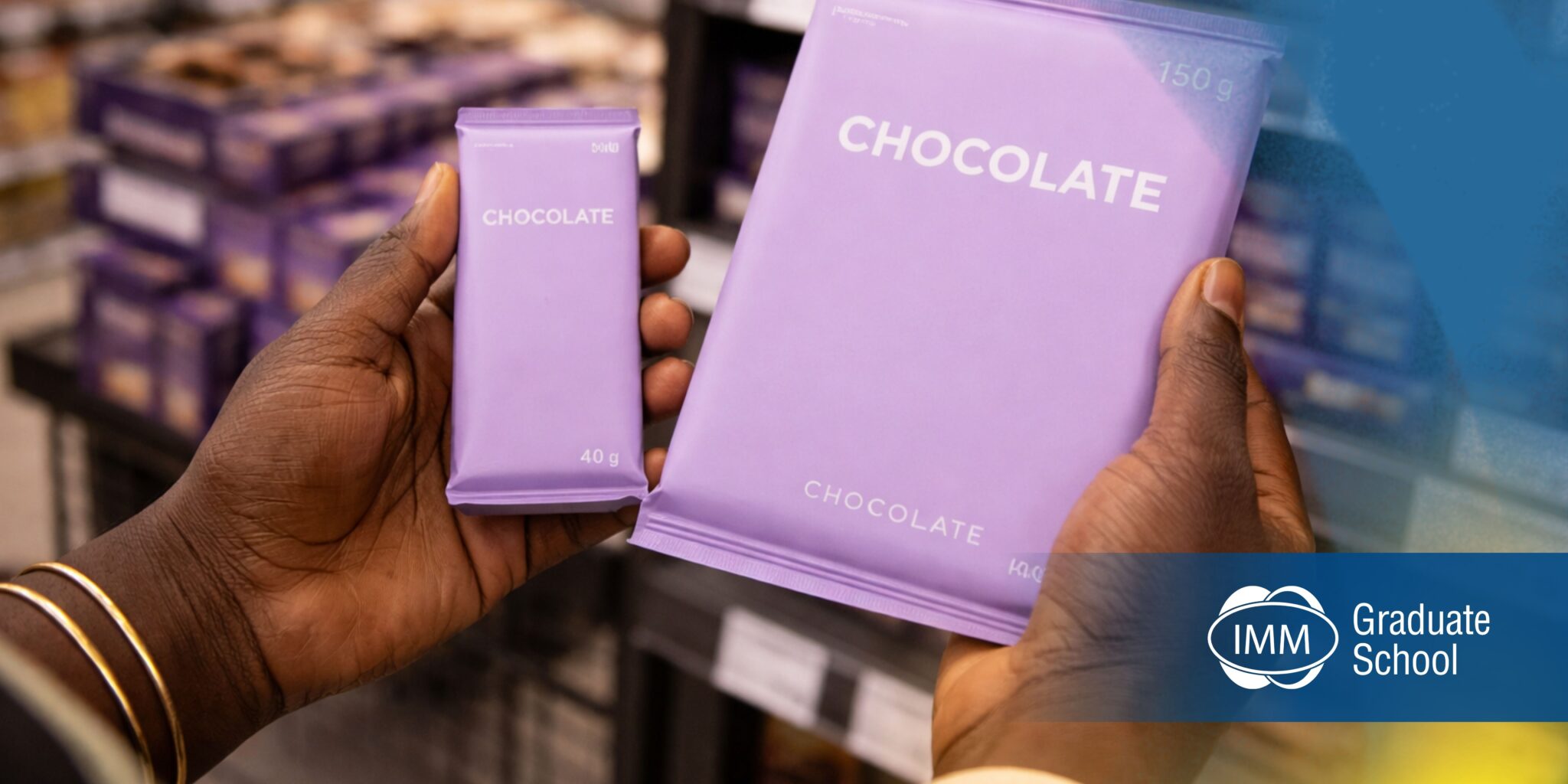
Chocolate bars often lead discussions on shrinkflation. A bar that once weighed 100 g may drop to 90 g or 85 g. The wrapper looks similar, and the price remains stable. Frequent buyers notice quickly because the size and weight are familiar.
2. Snack foods
Snack foods also show clear signs of shrinkflation:
- Chip packets with reduced weight
- Biscuit packs with fewer biscuits
- Crackers sold in smaller stacks
Packaging often fills shelf space, but the product inside weighs less. Shoppers increasingly check price per gram printed on store shelves.
3. Household products
Shrinkflation affects weekly household items as well:
- Yogurt tubs with fewer grams
- Laundry detergent with fewer washes
- Toilet rolls with reduced sheet counts
Small changes may seem insignificant at first, but over time they increase the real cost of everyday shopping.
South African shrinkflation tracking is on the rise
Consumers in South Africa are paying more attention to shrinkflation. Online communities, including TikTok and Reddit, track product changes. They compare:
- Previous product weights
- New package sizes
- Price changes across stores
Photos play a key role. Comparisons between old and new packaging spread quickly online, often generating hundreds of comments per post.
The marketing psychology behind shrinkflation
Shrinkflation relies on consumer behaviour. Many shoppers focus on visible prices, move through aisles quickly, and rely on habit.
This relates to price anchoring. The original price becomes the reference point in the buyer’s mind. Awareness is growing, and more shoppers now check unit pricing before choosing a product.
What shrinkflation means for brand loyalty
Shrinkflation can protect profit during cost pressure, but long-term brand loyalty depends on trust. Consumers accept price changes when brands communicate openly. Problems arise when changes appear hidden.
Brands that explain pricing decisions often maintain stronger customer relationships. Transparency matters.
Why understanding shrinkflation and pricing strategy matters
Shrinkflation highlights the connection between pricing, marketing, and consumer behaviour. Every packaging decision shapes how buyers perceive value, and every price decision affects brand trust.
The IMM Graduate School specialises in marketing qualifications covering:
- Pricing strategy
- Consumer behaviour
- Brand management
- Market analysis
These skills help marketers respond to economic pressures while protecting brand reputation. Shrinkflation demonstrates how companies balance cost, pricing, and consumer trust.
Next time you pick up a familiar product, pause. Check the weight. Has it changed? Perhaps shrinkflation has reached your shopping basket without you realising it.