
Sustainable marketing strategies: Aligning brand actions with consumer values

Consumer expectations around responsible behaviour are changing faster than most brands are adapting. As a result, sustainable marketing has moved from a nice-to-have to a core pillar of brand planning for 2026.
Brands now face pressure to make clear decisions, take honest action, and demonstrate consistent behaviour. This influences how teams plan, how they operate, and how they communicate. It also shapes what future marketers study and how teams prepare for the work ahead.
Sustainable marketing strategies support trust and long-term stability. You build relevance through action instead of promise. Businesses are more likely to succeed if they meet consumers where they are and respond to values that guide their purchasing decisions.
Sustainability at the centre of 2026 marketing
Global and local focus on sustainability continues to rise. PwC’s 2024 Voice of the Consumer Survey finds that over 80% of consumers are willing to pay more for sustainably produced or sourced goods, a clear signal that sustainability is influencing purchasing decisions.
This shift has a direct impact on brand performance. Silva-Antencio (2025) shows that brands which align their actions with consumer expectations achieve stronger growth over time.
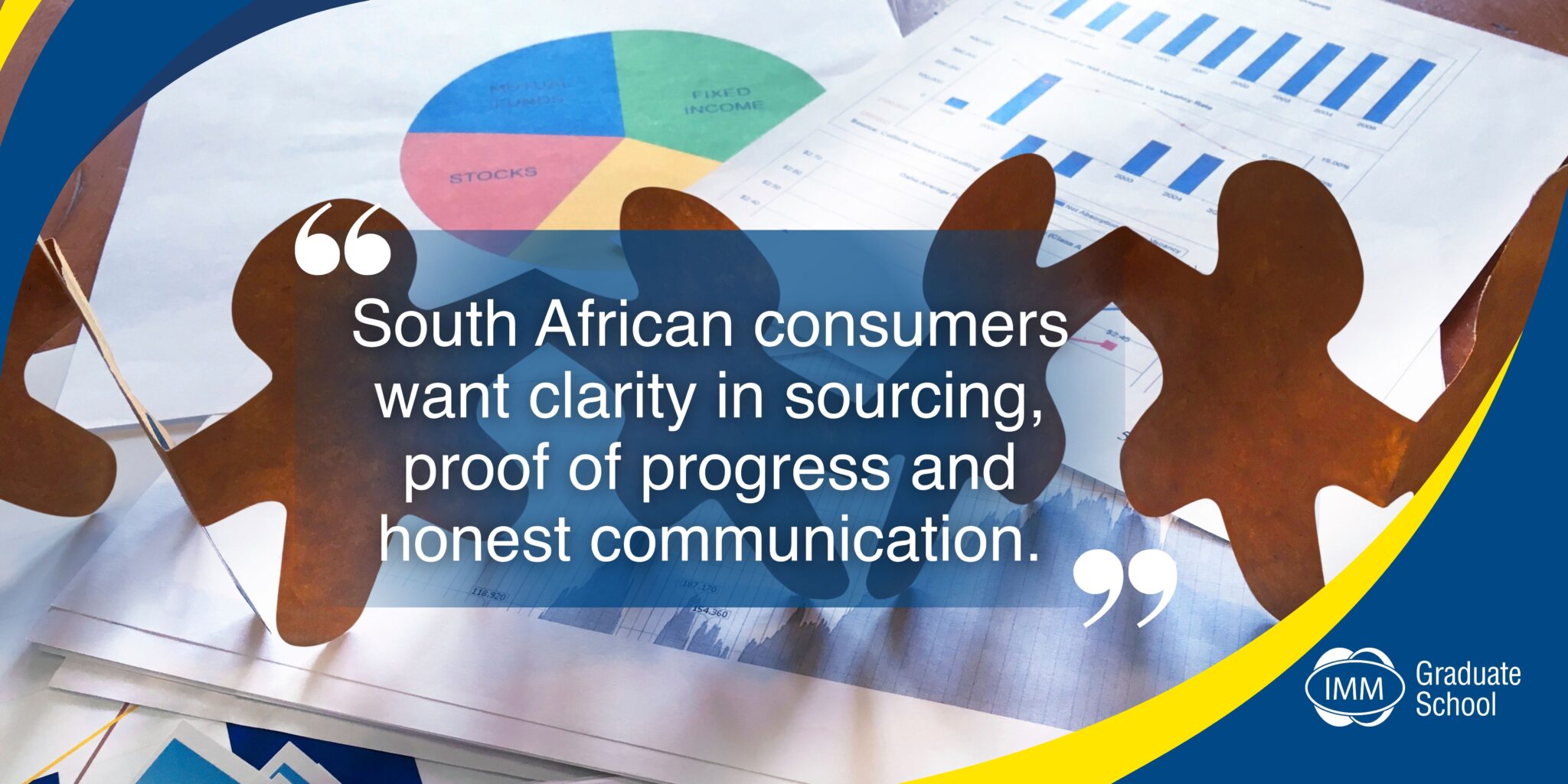
South African consumers follow the same trend. They want clarity in sourcing. They want proof of progress. They want honest communication. You respond by shaping sustainable marketing strategies that guide decisions across the year. Planning for 2026 includes skills in sustainability, reporting and brand purpose.
Understanding consumer values today
In addition to this, conscious buying continues to grow. The Conversation mentions how Gen Z is most likely to research a brand’s ethics before purchasing from them. Gen Z’s push for sustainable consumption is shifting the market and everyone in it.
This shapes your work. You address:
- Purpose-driven decisions.
- Transparent communication.
- Accountability for claims.
- Consistent behaviour across all channels.
You earn trust when your actions match your message, and you lose trust when your claims lack evidence. Younger audiences move more quickly on these points and influence households, peers, and workplaces.
Core sustainable marketing strategies for you to follow in the new year
- Build purpose-driven marketing from the inside out
Purpose guides direction. Before you publish any message, you define intention. You align leadership, teams and internal processes. You build training that supports purpose. You create internal clarity, so external communication holds weight. When your team understands purpose, your marketing holds structure.
- Prioritise ethical product and service choices
Product and service decisions shape sustainable marketing. You review sourcing and study supplier behaviour. You reduce waste where possible. You offer clear product information. You build supply chain visibility, so your audience understands how your offering moves into the market.
Lifecycle assessments and supplier checks support this work. They give you data to support your claims. They help you remove uncertainty from your communication.
- Create responsible communication
Responsible communication protects your brand. The Advertising Regulatory Board outlines requirements for clear and verifiable claims
You share progress with evidence and avoid broad statements. You report numbers, audits and milestones. You do not overstate progress. You keep language clear and specific. Responsible communication supports trust and reduces risk.
Engage your audience in sustainable behaviour
Sustainable marketing includes your audience. You show practical steps they follow. You invite them to take part in small actions. You highlight real stories. You create space for community input. This strengthens your link to audience values and builds long-term trust.
What this means for future marketers

Marketing roles now include sustainable planning, impact reporting, supply chain knowledge and purpose-driven strategy. Employers look for individuals who understand responsible marketing and consumer values. Skills in sustainability trends support better decisions across teams.
Upskilling for 2026 supports your growth. You strengthen your ability to assess data, guide brand purpose and support ethical business practices. Marketing qualifications from IMM Graduate School address these areas and prepare you for these shifts.
Study at the IMM Graduate School to strengthen your skills
Marketing teams and leaders need strong strategic thinking in sustainable marketing. The IMM Graduate School supports this through our various programmes in marketing, Bachelor of Commerce (BCom) in Marketing and Management Science. Diploma in Marketing Management, Postgraduate Diploma in Marketing Management and more for you to explore.
You will learn how to align brand actions with consumer values and apply responsible marketing in real-world environments.
Start your 2026 learning journey. Explore the IMM Graduate School’s programmes that prepare you for responsible marketing careers.