
The circular supply chain: How African businesses are turning waste into wealth

For decades, supply chains followed a straight path: produce, sell, consume, discard. That old “take, make, dispose” model no longer works. It’s costly, wasteful, and out of step with today’s eco-aware consumers.
Enter the circular supply chain. Here, waste isn’t the end. It’s the beginning of something new. And for African businesses, it’s opening doors to profits, jobs, and innovation.
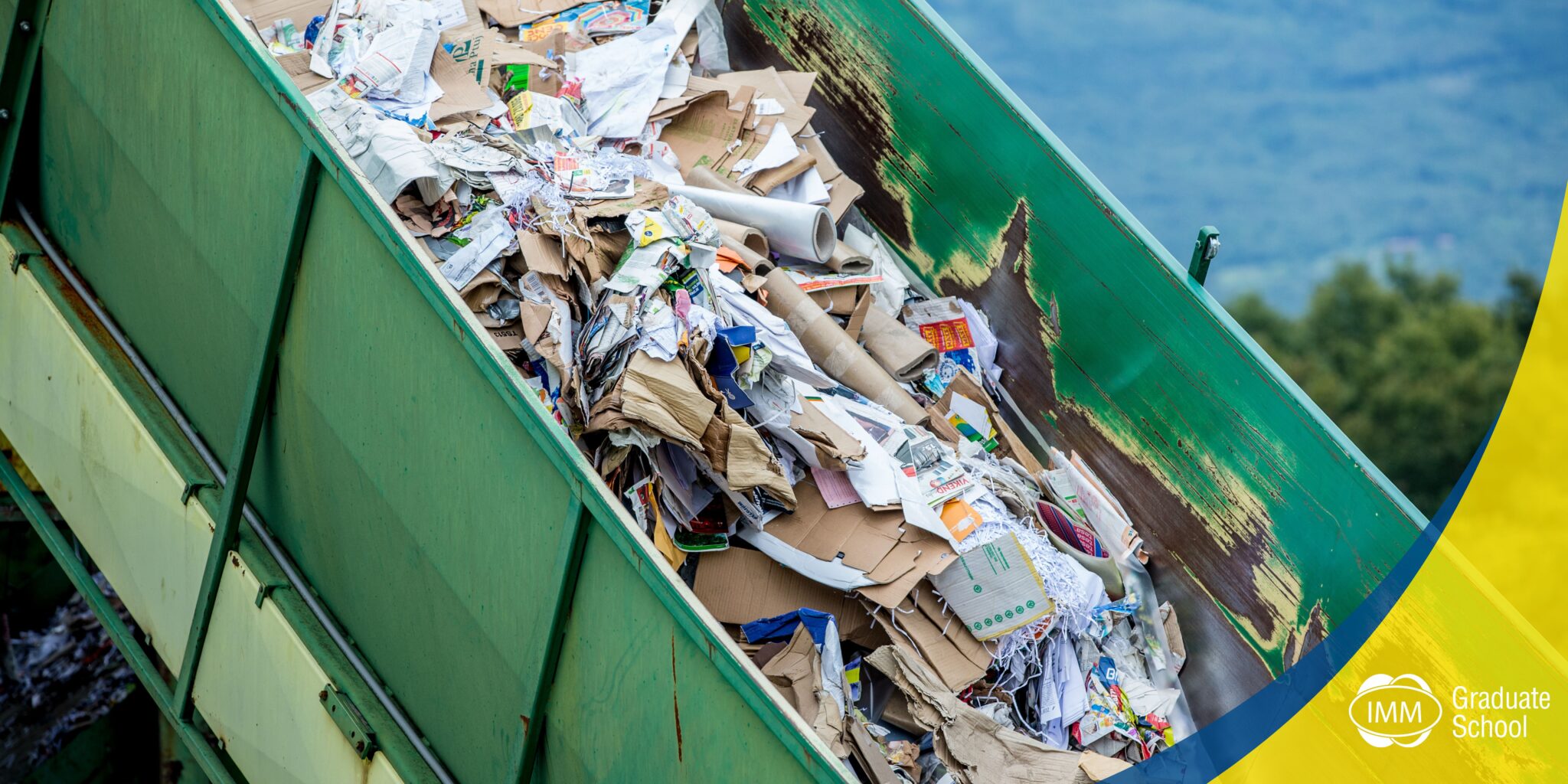
Turning problems into opportunities: Across the continent, waste management is being reconsidered by entrepreneurs. The more the landfills fill, the more those materials are going for repairs, reuse, or even upcycle. The outputs are clear: lower costs, other income streams, and one strong sustainability story to earn consumer credibility.
Fashion leads the way: Take the fashion industry. From South Africa to Nigeria, designers are transforming scraps, old denim, and even plastics into apparel and accessories that are in demand. Consumers get stylish and ethical fashion. Businesses gain loyal customers and tap into a booming global trend.
Food and farming find fresh value: Agribusinesses are also cashing in. Fruit peels become fertiliser, coffee wood becomes biofuel, and food by-products turn into animal feed. Less waste means lower costs, while new product ranges boost profits.

Efficiency meets innovation: Circular supply chains don’t stop at recycling. They rethink design from the start. Products are built to last and are easy to repair. Electronics companies, for example, now offer trade-ins and refurbishments, giving gadgets a second life and keeping customers coming back.
Logistics is also evolving. Reverse flows (bringing products back from consumers) are planned with the same efficiency as forward flows. The result? Less waste, leaner operations, and smarter resource use.
A uniquely African edge: Africa is naturally suited to this shift. Scarce raw materials and costly imports push entrepreneurs to get creative. And culturally, practices like sharing, repairing, and reusing already run deep. Circular supply chains aren’t just possible here – they’re practical.
The impact is huge. From informal waste collectors supplying recycling plants to tech repair centres reviving old devices, new livelihoods are being created where they’re needed most.
If developments in African supply chains inspire you, it may be time to become part of that change. The IMM Graduate School’s BCom in International Supply Chain Management endows you with the skills needed to perform well in an evolving field. With streams in Transport and Logistics or Procurement, the degree balances theory with real-world projects aimed at preparing students for management roles in inventory, procurement, logistics, and distribution.
Put yourself in line with a future-focused, global career!
The takeaway
Climate change is reshaping business worldwide. In Africa, circular supply chains are more than a sustainability buzzword, they’re a competitive advantage. They cut costs, create jobs, and future-proof industries.
Yesterday’s waste is tomorrow’s resource. And Africa is showing the world how to turn that resource into wealth.