
The World’s Busiest Supply Chain Shortcut Runs Through South Africa
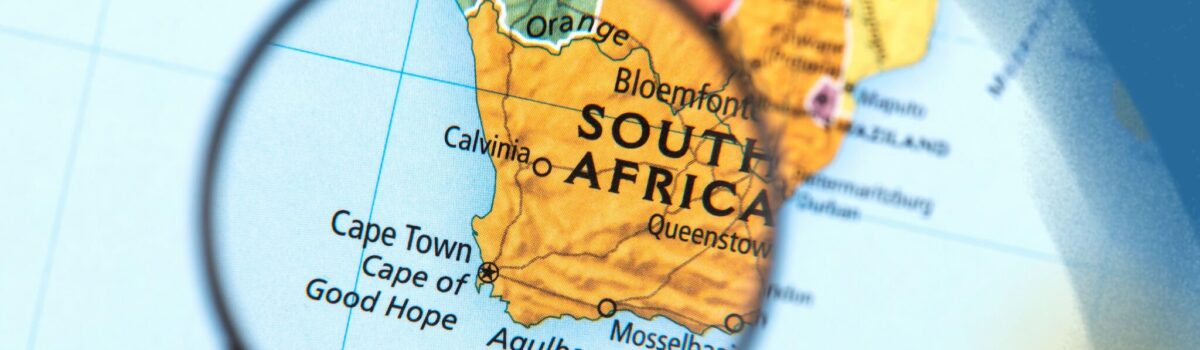
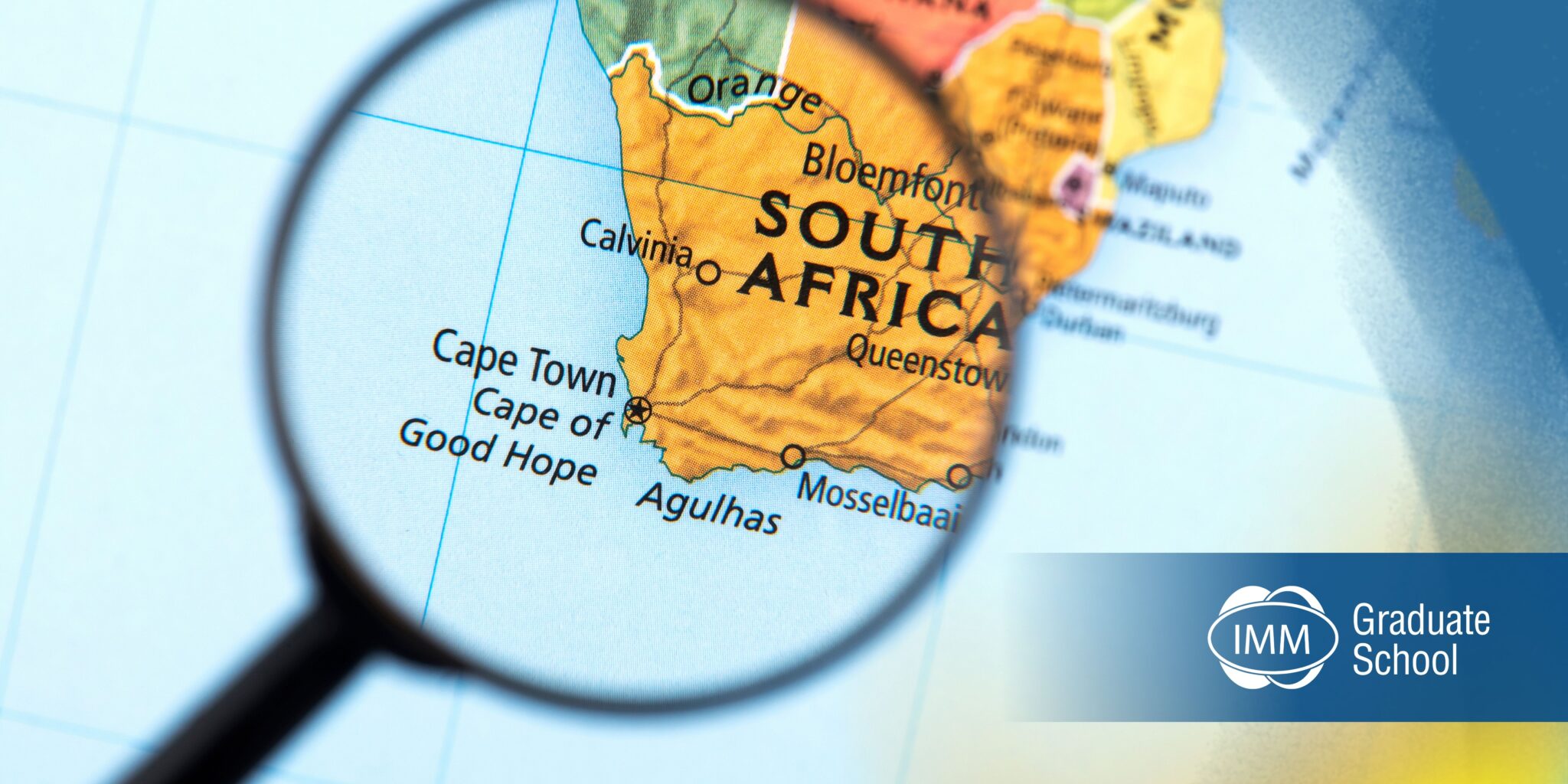
What does it say about South Africa when one of the world’s key shipping routes and supply chain shortcuts has passed its coast for more than 500 years?
The Cape of Good Hope trade route shaped global trade long before ports and supply chains had names. It linked three continents through a single sea path: Europe, Asia, and Africa.
Across oceans, ships carried:
- Spices
- Textiles
- Metals
- People
Over time, the route redirected trade flows, supported colonial expansion, and drove the growth of port cities. And now, the route matters again.
Pressure on the Suez Canal and Red Sea shipping lanes has pushed vessels south. Ships are moving around the tip of Africa again.
South Africa’s role in global trade did not start with modern container ships. It started centuries ago. While the route looks different today, the role does not. It still connects markets when trade needs a way through.
The History of the Cape of Good Hope Trade Route
The sea route that changed trade
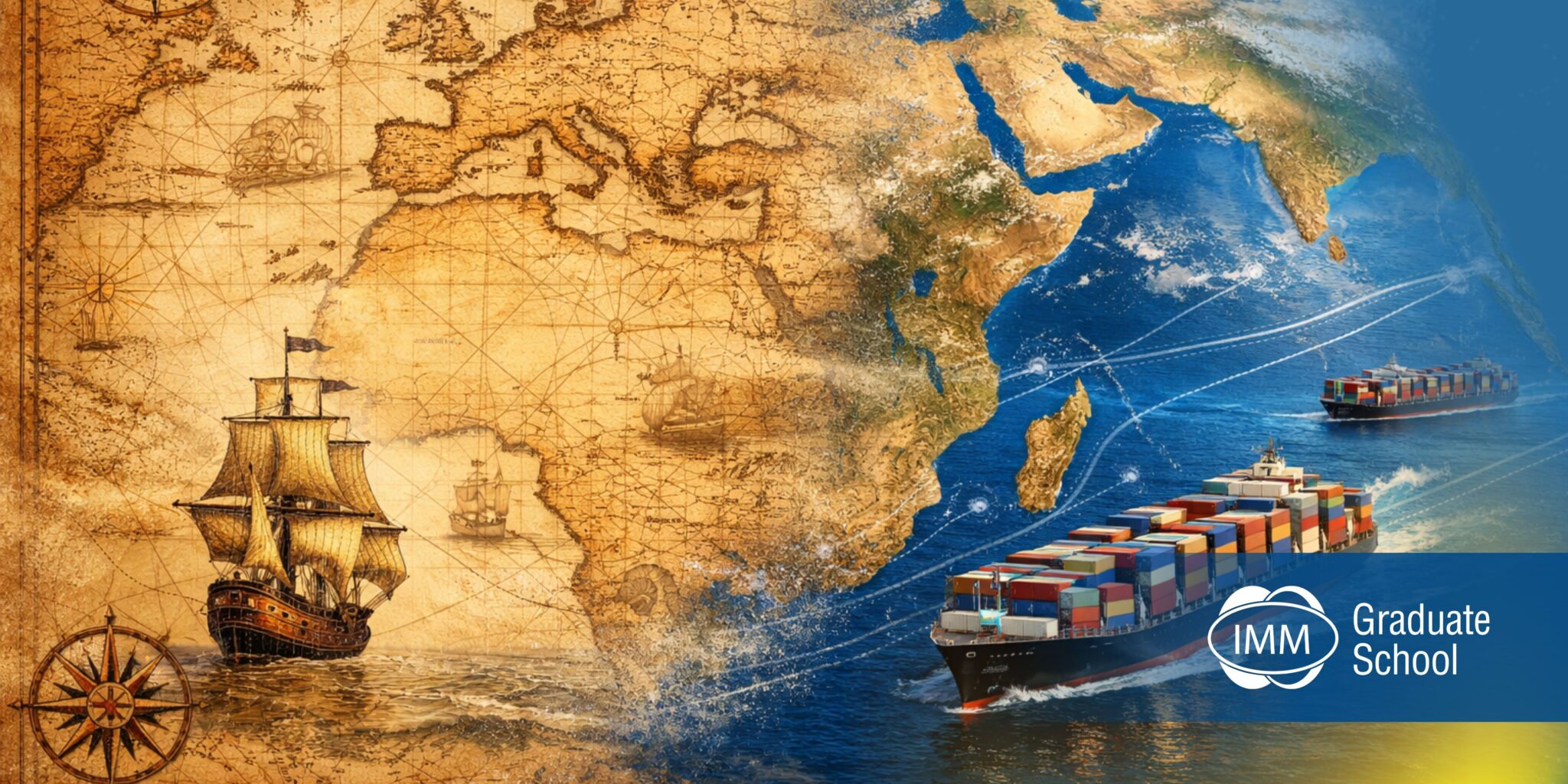
In 1488, Portuguese explorer Bartolomeu Dias reached the southern tip of Africa. His voyage proved that a sea route to the East was possible. A few years later, Vasco da Gama rounded the Cape and sailed on to India. That voyage helped shift trade from land routes and Mediterranean control toward ocean routes around Africa.
Why did this matter so much?
Because trade is shaped by access. If a route cuts out middlemen, lowers risk, or provides direct access to goods, it changes who profits.
The Cape of Good Hope trade route did all three. It gave European powers direct access to Asian markets by sea. That changed the flow of money and goods for generations.
The route was not easy. Seas around the Cape were known for rough weather and strong currents. Dias first named it the Cape of Storms.
Yet the risk did not stop ships. The trade was too valuable. Spices, silk, and other goods drew fleets around the tip of Africa year after year.
Cape Town Became a Supply Chain Stop Before Supply Chains Had a Name
The Dutch East India Company saw the value
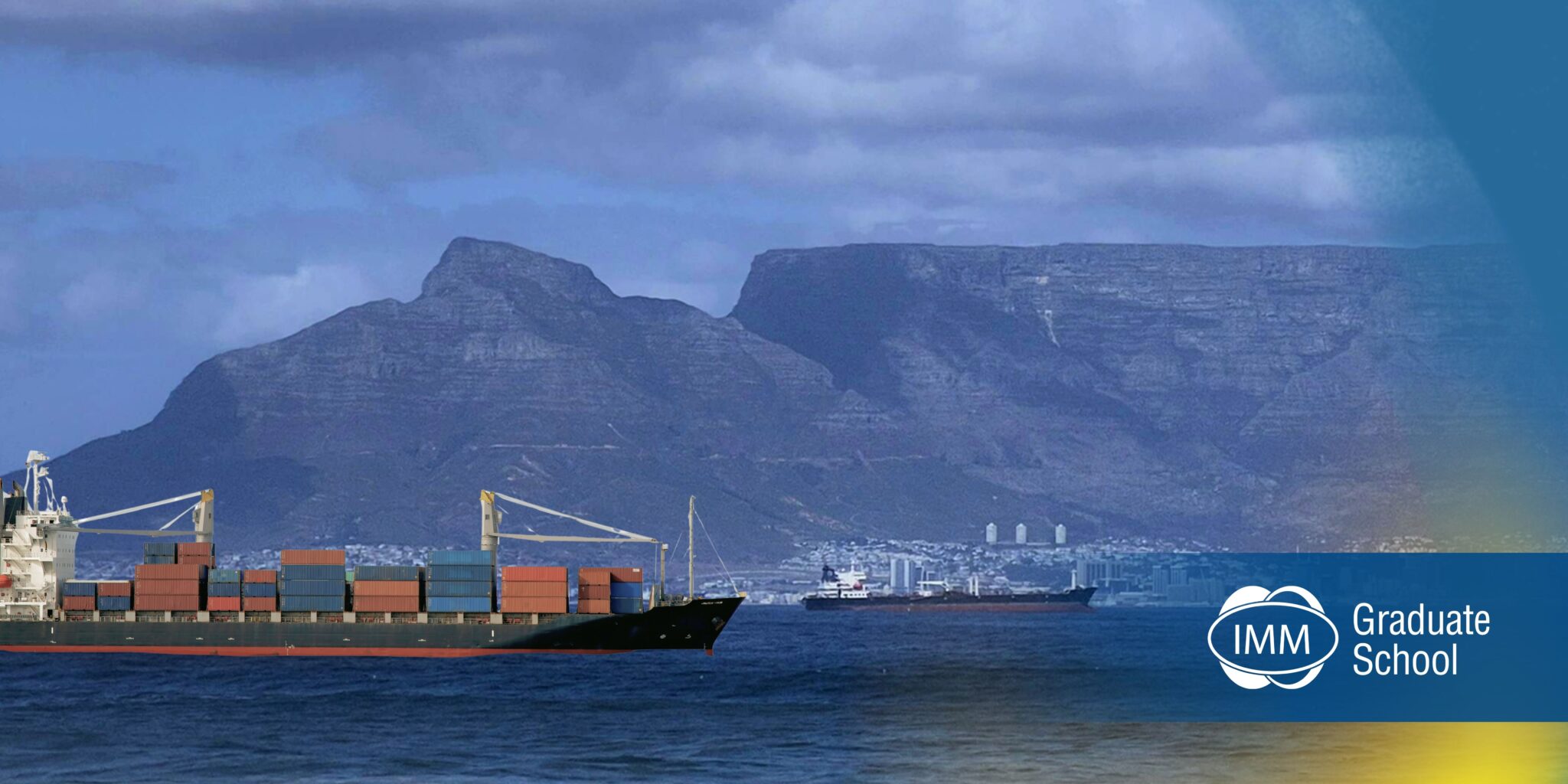
By the 1600s, the Cape route was a main artery of global trade. Ships needed food, water, repairs, and a place to recover after long voyages. The Dutch East India Company responded by setting up a resupply station at Cape Town in 1652.
This was not a random settlement. It was a logistical decision.
Cape Town sat in the right place for ships moving between Europe and Asia. A vessel could stop, restock, and continue the journey. That made the Cape one of the first strategic stopover points in maritime trade.
If you study supply chains today, you can see the pattern immediately. Trade does not depend on routes alone. It depends on nodes, timing, stock, labour, and coordination.
So when people talk about the importance of South Africa in global trade, they are not describing a new trend. They are describing a long-standing pattern.
Why Ships Go Around the Cape of Good Hope Today
The Suez Canal changed trade, but not forever
When the Suez Canal opened in 1869, it cut travel time between Europe and Asia. Many ships shifted north through Egypt instead of sailing around Africa. For a long time, this made the Cape route appear less central.
But trade routes do not disappear. They wait.
When the Suez Canal is blocked, unsafe, or under pressure, shipping lines look for another path. That is when the Cape of Good Hope trade route returns to the centre of global movement.
Recent disruptions in the Red Sea have pushed vessels back around South Africa, bringing the Cape route back into global shipping focus.
This helps answer a common search question: why do ships go around the Cape of Good Hope?
They do so when the Suez route carries too much risk, when delays cost more than distance, or when vessel size makes the Cape route the better choice.
Distance matters. Risk matters too. Trade decisions are rarely based on one factor alone.
South Africa Still Sits on a Route the World Needs
The waters around southern Africa now carry oil tankers, container ships, and bulk carriers moving between major markets. The Cape’s return as a major oil route and a fallback route for global shipping during disruption is clear.
This is why South Africa’s global trade routes still matter. The country sits where the Atlantic and Indian Oceans meet. That position gives it lasting relevance in shipping, ports, logistics, and trade policy.
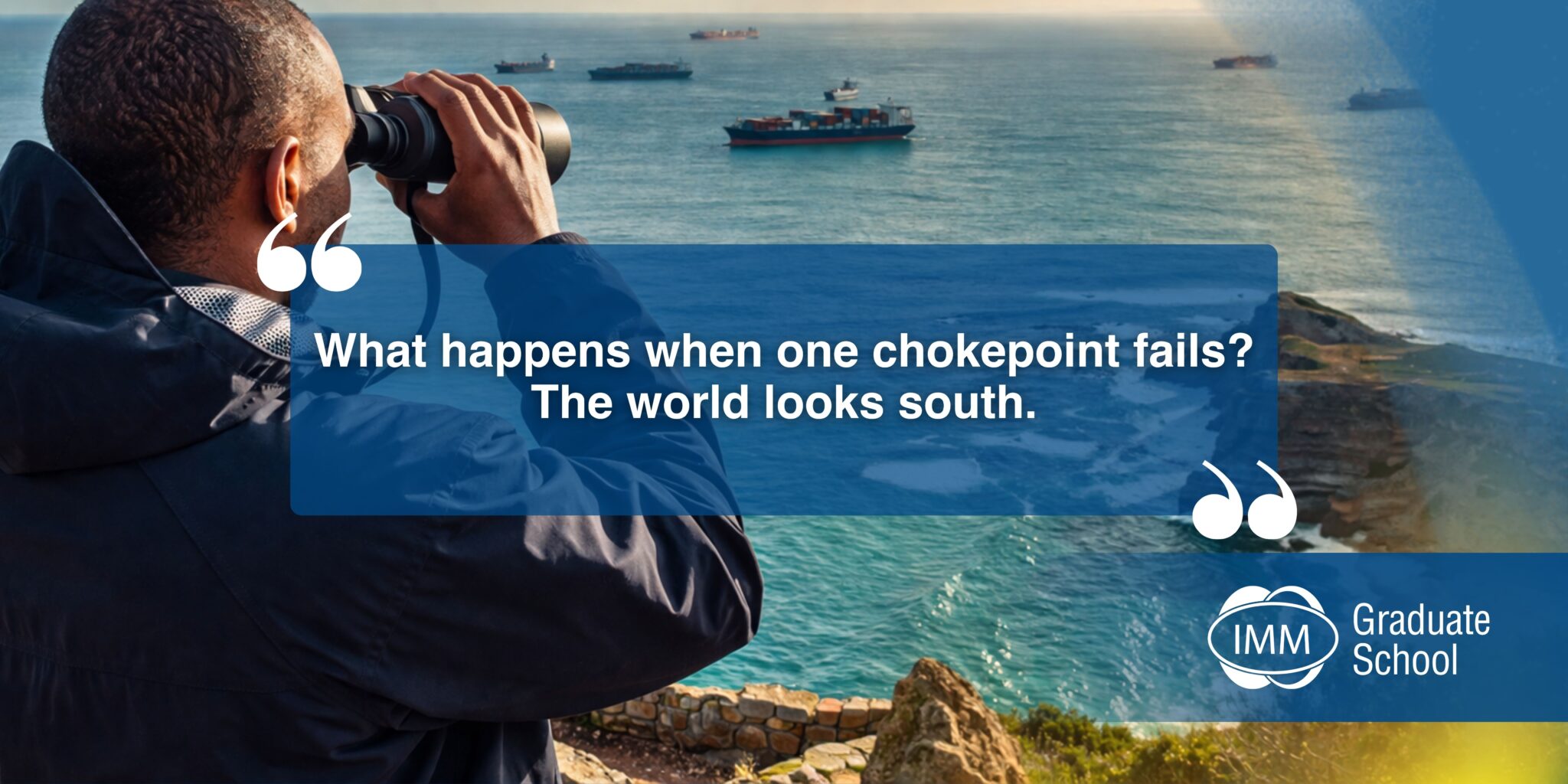
What happens when one chokepoint fails? The world looks south.
Why This Matters to South Africans
If you live in South Africa, this story is about the country’s place in the world.
The history of the Cape of Good Hope trade route shows how geography shapes trade. It also shows how trade keeps changing while old routes remain relevant.
A storm, a conflict, or a blocked canal can shift global shipping in days. People who understand supply chains see these shifts for what they are: signals, risks, decisions, and consequences.
This is why supply chain knowledge matters now. If global trade runs through South Africa, should not your career in marketing and supply chain be built around understanding it?
The IMM Graduate School offers supply chain management qualifications that help students build that understanding by studying logistics, supply chains, and trade systems. For students who want to work in a field tied to how the world moves, this is a clear place to start.
Frequently Asked Questions: The Cape of Good Hope Route & Global Supply Chains
1. Why has the Cape of Good Hope trade route resurfaced as a critical shortcut in modern global shipping?
The Cape of Good Hope trade route has resurfaced as a critical global pathway due to increasing geopolitical tensions, security risks, and operational chokepoints in the Red Sea and the Suez Canal. When primary northern routes experience disruptions or heightened safety hazards, international shipping lines deliberately reroute maritime traffic around the southern tip of Africa to safeguard cargo vessels, balancing longer transit distances against the necessity of risk mitigation.
2. How did Cape Town historically transition into a strategic global supply chain node?
Cape Town transitioned into a vital supply chain node in 1652 when the Dutch East India Company established a permanent resupply station at the Cape. This was a purely logistical decision based on geographic positioning; the settlement served as a maritime replenishment node where ships travelling between Europe and Asia could secure fresh provisions, facilitate repairs, and allow crew recovery, proving that trade depends heavily on strategic physical nodes and port coordination.
3. What operational risk factors influence shipping lines to choose the route around South Africa over the Suez Canal?
The choice between the Suez Canal and the Cape of Good Hope route depends on a multifaceted calculation of distance, time, and maritime safety. Key factors include the vulnerability of narrow canal chokepoints to physical blockages, escalating piracy or conflict risks, canal transit tariffs, and vessel dimensions. When the cumulative costs of delays, insurance premiums, and security threats in the north outweigh the fuel costs of the longer southern journey, the tip of Africa becomes the preferred option.
4. How does the IMM Graduate School incorporate global maritime logistics into its supply chain curriculum?
The IMM Graduate School integrates real-world maritime history and contemporary global trade route dynamics directly into its supply chain management curriculum. By studying active shifts along the South African coastline, students learn how macro-environmental disruptions influence international trade flows, ensuring that future logistics managers understand the deep connection between geography, port infrastructure, and corporate strategy.
5. What specific risk-management competencies do supply chain students develop at the IMM Graduate School?
Students at the IMM Graduate School develop advanced capabilities in predictive demand planning, multi-modal freight operations, international trade compliance, and contingency framework design. The coursework teaches future professionals how to interpret global shipping signals, manage warehouse inventory fluctuations during sudden maritime diversions, and build resilient networks capable of absorbing systemic disruptions.
6. Why is an IMM Graduate School qualification essential for professionals navigating Africa’s expanding trade corridors?
As international trade patterns shift and position South Africa back at the center of maritime movement, employers increasingly demand highly qualified strategic thinkers. The IMM Graduate School offers specialized qualifications—ranging from higher certificates to comprehensive bachelor’s and master’s degrees—that equip African professionals with the technical commercial judgement and operational expertise needed to lead modern international logistics firms.