
When content is currency: What Khaby Lame’s $900M deal teaches marketers


Imagine posting short reaction videos to life hacks and landing a $900 million deal. That has become Khaby Lame’s exact reality, and it carries important lessons for marketers.
Khaby Lame built a global audience with simple, highly relatable content, no scripts, no speeches, no large production teams. His videos show easy solutions to overly complicated life hacks, relying entirely on visual communication. Today, his personal brand is valued like a media company. This isn’t just celebrity news, it’s a signal to marketers about the changing landscape of influence.
It’s not the number alone that matters. It’s what the valuation represents: attention, trust, and engagement at scale. When creators become strategic assets, brand building is no longer only about competing with rival firms. Marketers now compete with individuals who hold direct relationships with audiences.
The signal behind the $900M headline
You don’t need to confirm every detail of the transaction to understand its meaning. The signal is clear. A creator with a phone and a defined content format is being valued like a media company. Not because of physical infrastructure, but because audiences choose to watch.
Firstly, consider how Khaby’s content travels across regions. There is no language barrier. The format is consistent. The message lands within seconds. This aligns with how people consume content on mobile devices. In a world saturated with content, if your brand message takes too long to register, users scroll past it.
Ask yourself a direct question: Does your content communicate its value within the first few seconds? Or are you relying on the patience your audience no longer has?

Content creators as strategic marketing assets
The reported deal highlights the economic weight of the creator economy. Content creators are not add-ons to campaigns. They operate as independent distribution channels. They shape perception daily and they influence purchase decisions through repetition and familiarity.
Trust develops through consistency. Khaby posts within a recognisable structure. His audience understands what to expect. That predictability builds habit, and habit builds loyalty, in turn, driving revenue.
In addition to reach, content creators provide insight. They engage with comments. They test variations. They see audience response in real time. Many brands depend on delayed reports and quarterly reviews. Content creators adjust their approach within hours. If you aim to remain relevant, your processes must reflect this speed.
How content creators influence consumer decisions
Traditional advertising pushes a message. Creator content integrates a message into context. That distinction shapes behaviour.
When a creator features a product, it appears in use. The audience observes outcomes, not abstract claims. This reduces uncertainty while building familiarity over time.
You should examine your own digital presence. Are you interrupting attention, or earning it? Are you focused on actual impressions, or on abstract metrics such as searches, visits, and conversions?
Measurement must evolve. Follower counts are surface metrics. You need to track engagement quality. Are users saving posts? Are they commenting with intent? Are they visiting your website after exposure? Without connecting content performance to business outcomes, you are operating without precision.

Rethinking partnerships in the creator economy
Many brands still treat content creators as short-term placements. One campaign. One deliverable. One performance report. Then the relationship ends.
This approach restricts long-term value. If you want credibility, you need continuity. Audiences recognise forced endorsements. They also recognise alignment built over time.
Secondly, allow content creators to maintain their voice within agreed guidelines. If you script every detail, you dilute authenticity. Define objectives and compliance requirements. Then allow the creator to communicate in a way their audience trusts.
Internal agility also matters. Multiple approval layers slow response. Digital platforms reward relevance and timing. If your organisation cannot act quickly, you lose attention share to those who can.
The strategic question you must answer is:
Are you building assets that generate ongoing attention, or are you purchasing temporary visibility in channels you do not control?
The $900 million headline captures attention. The deeper lesson concerns valuation based on influence and sustained engagement. Personal brands now hold financial weight comparable to established media entities.
You must decide how your brand responds as it will shape the long-term position of your organisation in a market where content functions as currency.
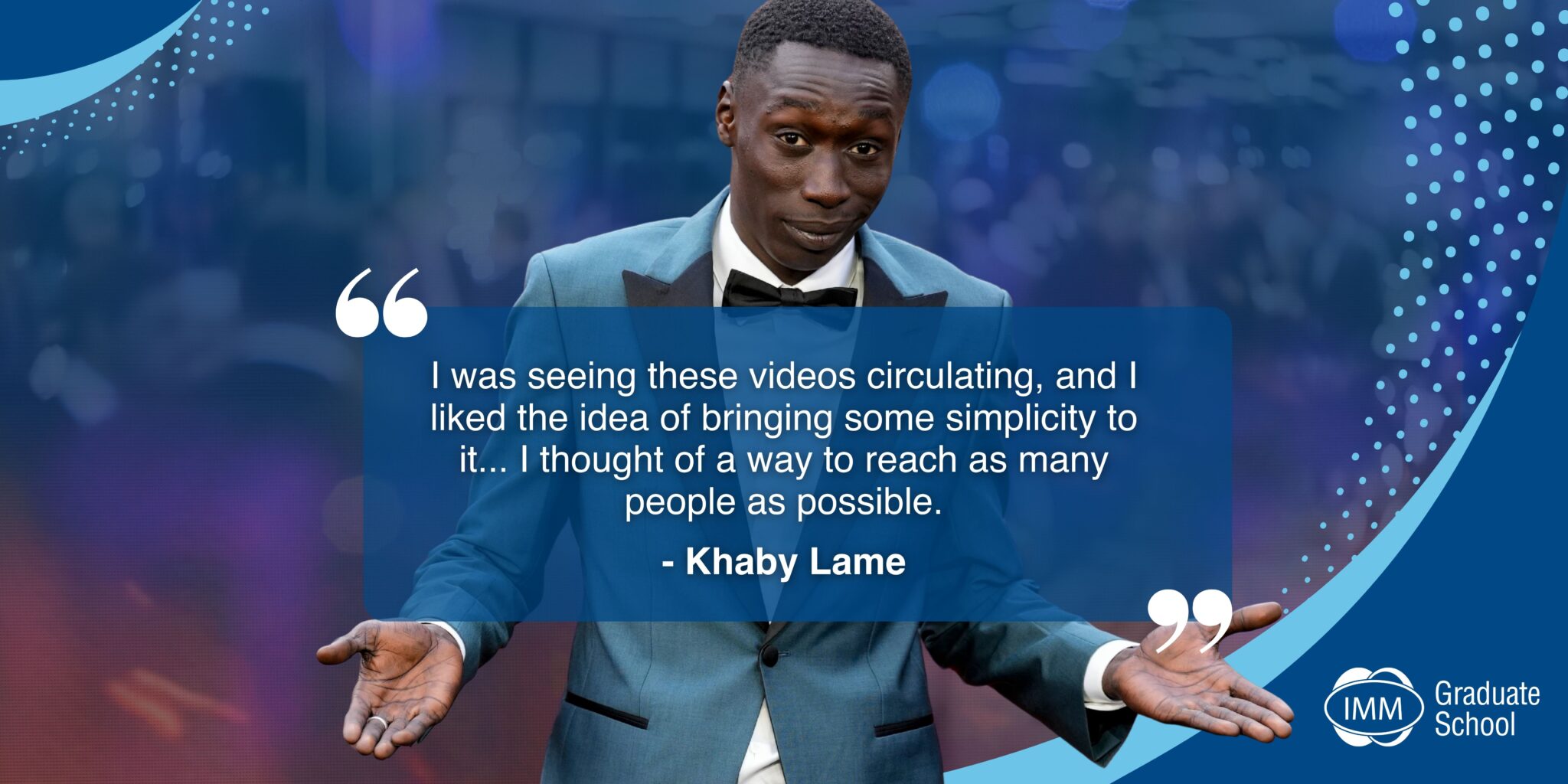
(Karwai Tang/WireImage/Getty Images)
Take the next step with the IMM Graduate School
If you want to build brands with long-term value, you need more than surface-level tactics. You need strategy. You need analytical skill. You need the ability to link content to revenue.
The IMM Graduate School offers marketing qualifications designed to prepare you for a market where attention drives value. Review the available programmes. Speak to an advisor. Start building the expertise your future role will demand.
The market is changing. The question is simple: Will you be ready to lead it?