
When global shipping routes shift: How supply chain disruptions ripple through businesses
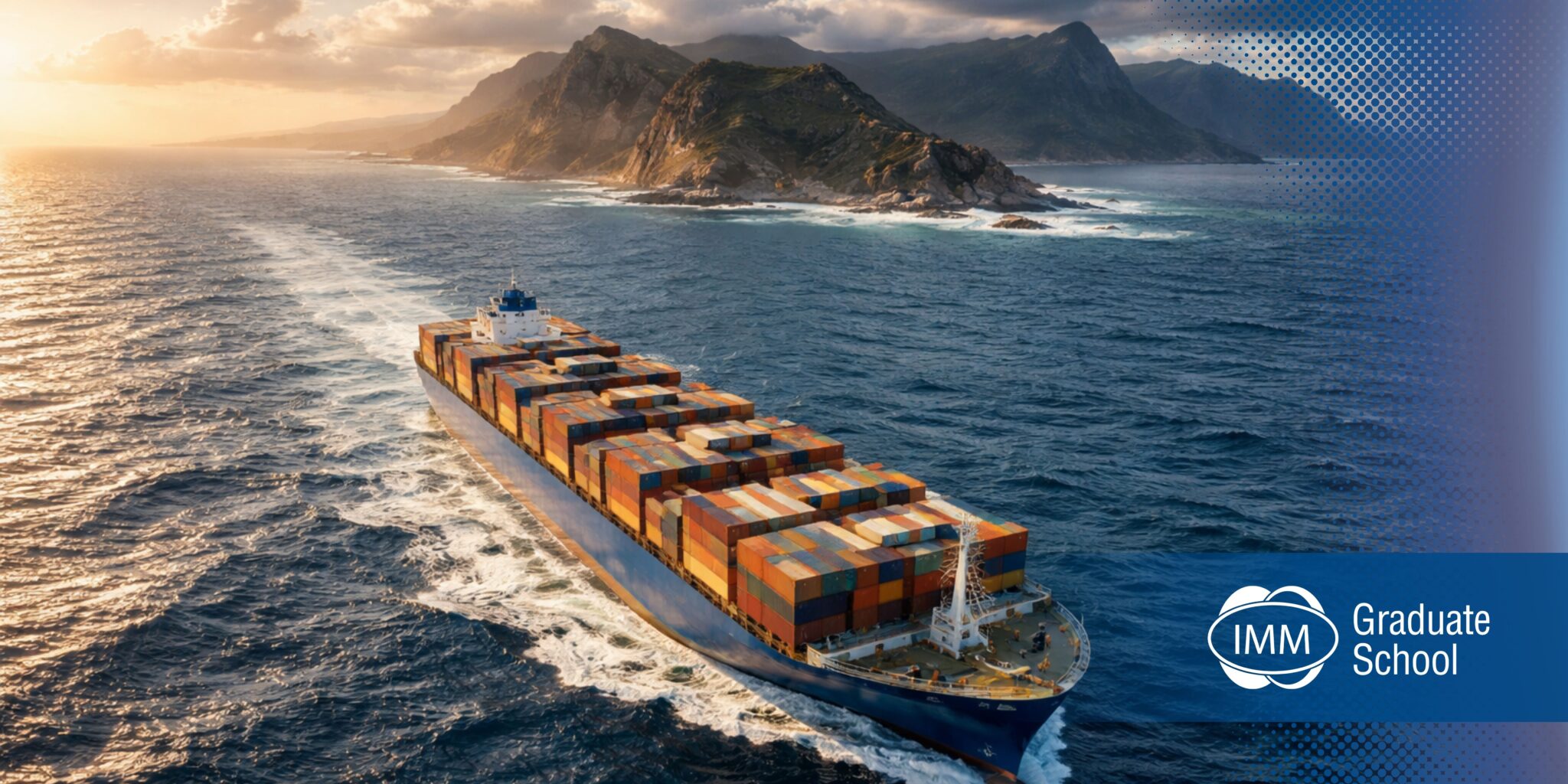
Geopolitical tensions around the world are increasingly affecting global trade. Businesses and consumers may feel the impact through delayed shipments, rising logistics costs, or service disruptions
Recent events illustrate the effect. Petrol prices have increased, goods arrive late, and customer frustration grows. Key shipping routes, particularly those connected to the U.S., Iran, and the Middle East, face pressure. Shipping companies are forced to reroute vessels, increasing transit times and costs.
For businesses, the ripple effects are immediate. When deliveries are delayed and costs rise, operational and planning challenges multiply. Understanding supply chain disruption and its causes has never been more critical.
What is a supply chain disruption?
A supply chain disruption is any event or condition that interrupts the movement of goods from one point to another. These disruptions can affect:
- Raw materials
- Parts and components
- Finished products
- Warehousing
- Transport
- Final delivery
Disruptions often cascade across the supply chain. A delay at sea slows port arrivals. A late port arrival delays trucking. Delays in trucking affect production schedules or store stock. One problem in a single region can quickly become a global business challenge.

How geopolitics affects supply chain and logistics
Global geopolitics shapes trade routes, border rules, shipping risks, and fuel markets. Conflicts near major sea lanes force shipping firms to assess whether a route remains safe and cost-effective.
Two critical routes are particularly sensitive:
- The Red Sea and Suez Canal corridor
- The Strait of Hormuz
These corridors support trade between Asia, Europe, the Middle East, and beyond, including vital oil and gas transport. Rising threats near these routes force shipping lines to review schedules, insurance, crew safety, and alternative route plans.
For further reading, see how global shipping is impacted by geopolitical risks.
Why shipping routes are rerouted
Shipping companies reroute vessels to manage risk, which carries costs such as:
- Threats to vessels and crew safety
- Higher insurance premiums
- Delays at ports and checkpoints
- Increased fuel consumption and scheduling pressures
For example, some carriers avoid the Suez Canal and take the longer Cape of Good Hope route. This adds distance, fuel, and time. Longer transit times affect every subsequent handover in the supply chain.
Why supply chain costs rise quickly
Extended routes and rerouting increase fuel consumption and freight costs. Insurance premiums rise when vessels travel near conflict zones. Port schedules shift, containers return late, and planning becomes more complex.
These changes affect:
- Importers
- Exporters
- Manufacturers
- Retailers
- Consumers
Businesses may pay more for the same goods or experience delays. For time-sensitive stock, costs include lost sales, delayed production, and planning errors.
Supply chain disruption examples businesses already know
Supply chain disruptions are no longer rare. Examples include:
- Pandemic-related factory shutdowns
- Port congestion in major hubs
- Container shortages
- Trade sanctions
- Shipping route changes linked to conflict
These examples demonstrate a key lesson: supply chains rely on flow. When flow breaks, pressure builds. Suppliers struggle to ship, producers wait for inputs, and stores and customers face delays or shortages.
For an in-depth guide, see Understanding Supply Chain Disruption.
What this means for businesses and planners
Operations, logistics, sourcing, and planning teams must prepare for instability. Relying on fixed routes or a single supplier exposes a business to risk.
Steps to reduce the impact of supply chain disruption include:
- Diversifying suppliers across multiple regions
- Tracking shipments in real time
- Building stock buffers for key items
- Reviewing alternative transport routes
- Testing risk scenarios before they occur
These measures do not eliminate risk but reduce the consequences when disruptions occur. Ask yourself: if one critical route closed this week, would your business know how to respond?

Why supply chain education matters now
Understanding how global events affect movement, costs, timing, and service is critical. Supply chain education equips professionals to respond to real-world challenges.
The IMM Graduate School offers supply chain qualifications that connect learning to current business pressures. Students study planning, sourcing, logistics, and risk management in the context of global trade. They learn how route changes affect lead times, how cost shocks ripple through a business, and how firms adapt when supply networks face strain.
These skills are invaluable for professionals who need to anticipate challenges, think ahead, and make informed decisions under pressure.
The shift businesses need to make
Global shipping routes will continue to change as conflict, policy, and trade pressures shape movement. Businesses that prepare for change are more resilient than those waiting for stability.
A supply chain should not rely on luck. It requires foresight, planning, and professionals who understand how the system works. Knowledge and education are essential. When routes shift, insight matters.
Learn more about supply chain qualifications at the IMM Graduate School.