
IMM Graduate School Supply Chain Expert Examines COVID-19 and Geopolitical Impacts on Global Supply Chains
From Pandemic Disruption to Ongoing Global Uncertainty
In a thought leadership article for IOL News (29 April 2026), Dr Ernst van Biljon, Head Lecturer in Supply Chain Management at the IMM Graduate School, examines how global supply chains continue to evolve in the aftermath of COVID-19, and how they are now being further tested by rising geopolitical tensions, including the Iran conflict.
The discussion highlights how what began as a pandemic-driven disruption has developed into a broader period of sustained global uncertainty affecting trade, logistics and energy systems.
Lessons from COVID-19 and the Shift Away from Lean Supply Chains
The pandemic exposed key vulnerabilities in highly efficient, cost-optimised global supply chains, particularly those dependent on extended international sourcing networks.
In response, organisations began reassessing traditional models and placing greater emphasis on flexibility, visibility and resilience across their supply networks.
Geopolitical Tension and Energy-Driven Disruption
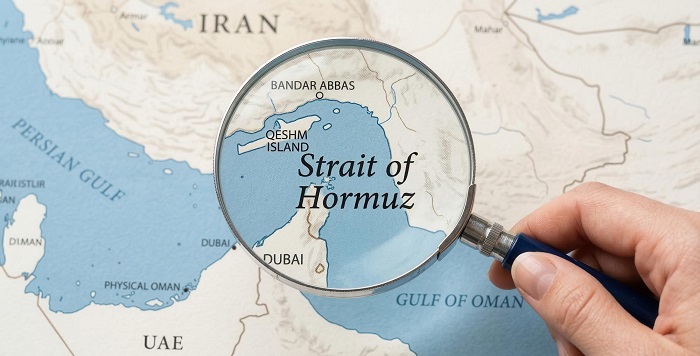
The article also explores how current geopolitical instability is adding further pressure to global trade routes, shipping systems and energy markets.
These disruptions are contributing to increased volatility, higher logistics costs and ongoing uncertainty across global manufacturing and consumer markets, with knock-on effects also being felt in South Africa.
Evolving Supply Chain Strategies in a Volatile Environment
Against this backdrop, businesses are increasingly rethinking how supply chains are structured, with growing attention on regionalisation, improved risk visibility and more adaptive planning approaches.
At the same time, digital tools and advanced analytics are becoming more central to how organisations monitor, anticipate and respond to disruption.
Energy, Technology and the Future of Supply Chain Design
The article further considers how energy considerations and emerging technologies are becoming more integrated into supply chain decision-making.
From alternative energy adoption to data-driven planning systems, organisations are being pushed to rethink how resilience and efficiency are balanced in an increasingly unpredictable environment.
This piece has been republished across several news and industry publications, including IOL regional print publications, the Mercury, Cape Times and Pretoria News, as well as the Logistics News website and the African News Agency.

Read a selection of Dr Ernst van Biljon’s thought leadership pieces on the IMM Graduate School blog and other third-party publishers.
SA-US Trade: Tariffs, AGOA, and the Shifting Global Landscape
From Aisles to Algorithms: Rewiring SA’s Supply Chains in the Omnichannel Revolution
Why the Next Supply Chain Superpower Could Be African…And Should It Not Be South Africa?
Prost! But Can They Deliver? A Look at the Oktoberfest Supply Chain Challenge