
IMM Graduate School Supply Chain Expert on Cold Chain Readiness as Key Driver of South Africa’s Citrus Exports
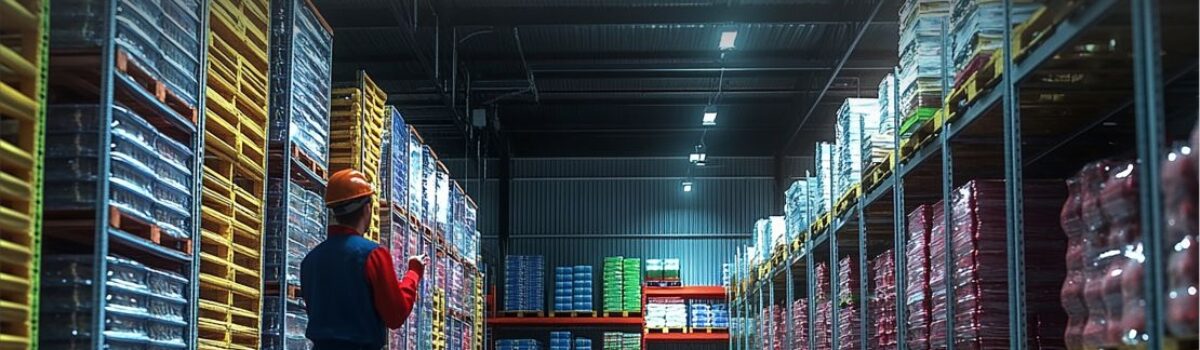

In a thought leadership article for Cold Link Africa, Dr Ernst van Biljon, Head Lecturer in Supply Chain Management at the IMM Graduate School, examines the critical role of cold chain readiness in supporting South Africa’s growing citrus export season.
As export volumes increase, the focus is shifting beyond production capacity to the strength, reliability and precision of the temperature-controlled logistics systems that move fruit from orchard to international markets.
Rising Export Volumes Place Pressure on Cold Chain Systems
Initial industry forecasts point to continued growth in citrus exports for 2026, placing increased pressure on refrigerated logistics infrastructure, particularly during peak season.
Dr van Biljon highlights that even small disruptions in temperature control can have significant consequences for product quality, shelf life and access to key export markets, reinforcing the importance of end-to-end cold chain integrity.
“Even minor temperature deviations can compromise fruit quality, shelf life and market access – particularly for sensitive categories like soft citrus and late mandarins.”
Port Operations and Infrastructure at the Centre of Export Readiness
A major focus of the article is the role of port operations in maintaining cold chain continuity.
Transnet Port Terminals’ seasonal planning, including refrigerated container forecasting, plug-point management and coordinated stacking strategies, is positioned as central to ensuring that export flows remain uninterrupted during peak demand periods.
Operational efficiency across berthing, storage and vessel loading is increasingly critical as export volumes rise, with 24/7 terminal operations supporting continuous movement of perishable goods.
“Operationally, this translates into a tightly coordinated approach to berthing, stowage and storage – each a critical control point in maintaining uninterrupted refrigeration.”
Infrastructure Investment and Operational Capability
The article also highlights significant investment in port infrastructure, including upgraded cargo handling equipment aimed at improving turnaround times and reducing congestion risks.
These improvements are particularly important for refrigerated cargo, where delays can quickly translate into product degradation and commercial losses.
“Significant capital investment – R9-billion over the past three years – has also strengthened the physical backbone of the cold chain.”
Technology and Visibility Across the Cold Chain
Dr van Biljon notes the growing importance of real-time monitoring technologies, which provide greater visibility of temperature conditions throughout the logistics journey.
This enhanced oversight allows for faster intervention where required, strengthening cold chain integrity from packhouse to export destination.
“Internet of Things (IoT) sensors embedded in refrigerated containers now allow exporters and logistics operators to monitor temperature, humidity and container conditions in real time throughout the journey.”
Strategic Importance of Cold Chain Systems
Dr van Biljon reinforces that cold chain infrastructure functions as more than an operational requirement. It is a strategic enabler of export performance, directly influencing South Africa’s ability to compete in global fresh produce markets.
With citrus exports destined for over 100 international markets, maintaining consistent cold chain performance is essential for protecting quality standards and meeting strict international requirements.
“South Africa’s position as the world’s second-largest citrus exporter depends heavily on this seamless cold chain execution.”
Published by Cold Link Africa, a leading B2B platform covering cold chain logistics, food security, pharmaceuticals and temperature-controlled supply networks, the article sits within a broader industry discussion on efficiency, energy use and export competitiveness.
Cold Link Africa provides technical insight, industry news and expert analysis for decision-makers across the cold chain sector, making it a key platform for thought leadership in temperature-sensitive logistics.
IMM Graduate School Thought Leadership
This article forms part of the ongoing industry engagement and thought leadership contributions from the IMM Graduate School, reflecting the institution’s focus on applied research in supply chain, marketing, education and business, as well as industry collaboration and meeting real-world business challenges in African and global markets.

Read this recent blog article about the history of the ice trade and the birth of cold chain sector.
Read a selection of Dr Ernst van Biljon’s thought leadership pieces on the IMM Graduate School blog and other third-party publishers.
SA-US Trade: Tariffs, AGOA, and the Shifting Global Landscape
From Aisles to Algorithms: Rewiring SA’s Supply Chains in the Omnichannel Revolution
Why the Next Supply Chain Superpower Could Be African…And Should It Not Be South Africa?
Prost! But Can They Deliver? A Look at the Oktoberfest Supply Chain Challenge