
Out-of-Home Advertising: Think Outside the Screen
Modern advertising relies heavily on social media to market its content. Every brand wants to win the scroll war, measuring success by clicks, impressions, and fleeting engagement.
Yet while digital media dominates the conversation, the physical world still holds remarkable power. Out-of-home advertising, like billboards, posters, and a well-placed street sign, continues to shape how people see and remember brands.
Out-of-home advertising offers something digital platforms rarely can: presence.
Benefits of Out-Of-Home Advertising
Marketing today often focuses on social media and digital channels, leading many companies to believe that out-of-home advertising has lost its impact. This couldn’t be further from the truth.
An article from the African Marketing Confederation magazine highlighted how companies benefit from out-of-home marketing. Billboards, street pole signs, and posters push brands to be more creative and think beyond conventional approaches.
Battle of the Brands
A popular and often effective marketing tactic is to take a subtle – or sometimes not-so-subtle – dig at competitors. While this strategy isn’t new, it has gained renewed momentum in recent years, particularly among insurance companies.
MiWay
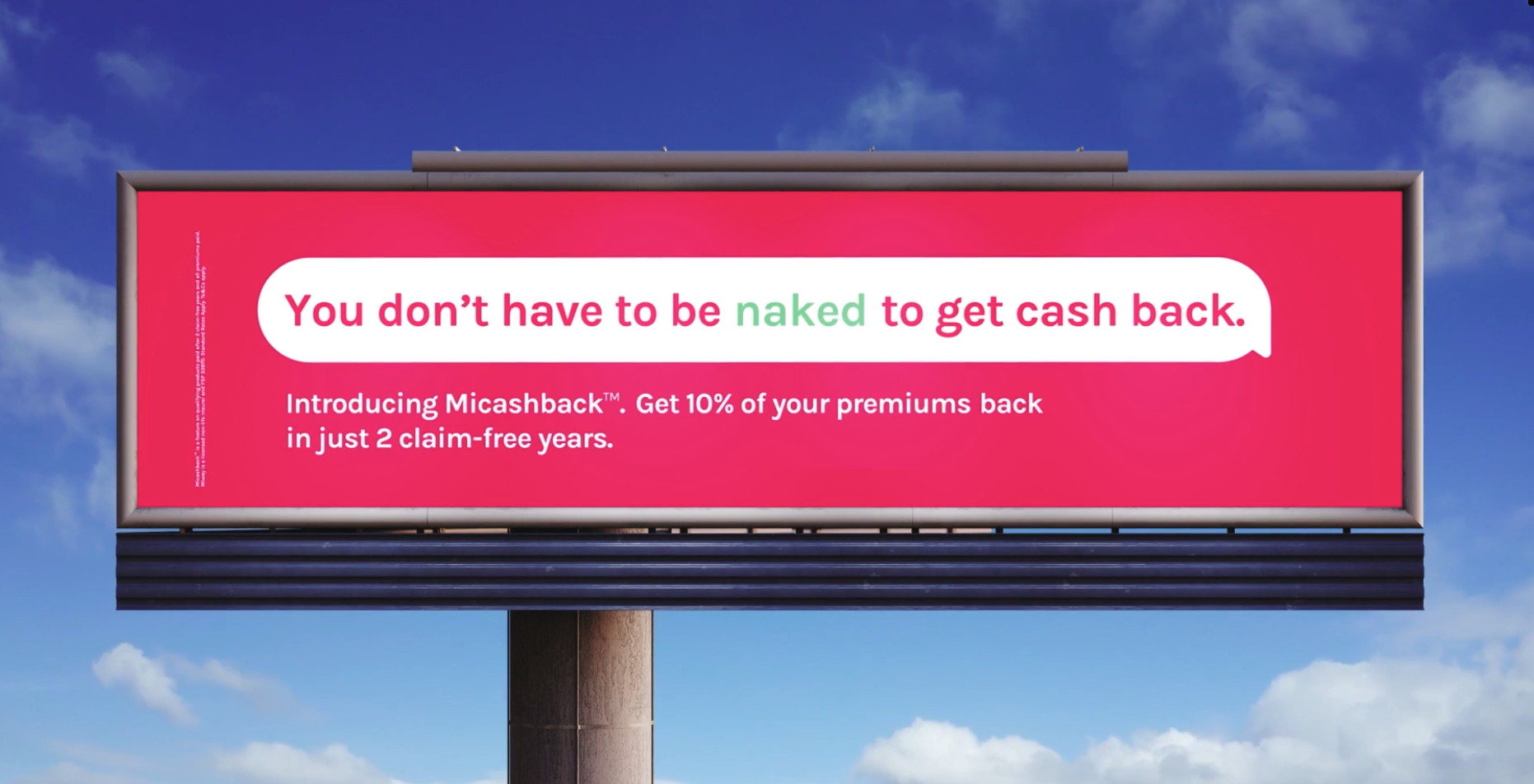
MiWay is an insurance brand operating in a crowded market, which pushes them to get creative with their marketing.
1. Naked
Naked is another insurance company known for their comedic billboards. Some people find offence in the “X-Person Got Naked at the Event,” but for others, it worked.
MiWay noticed the friction, and used it to their advantage:
2. OUTsurance
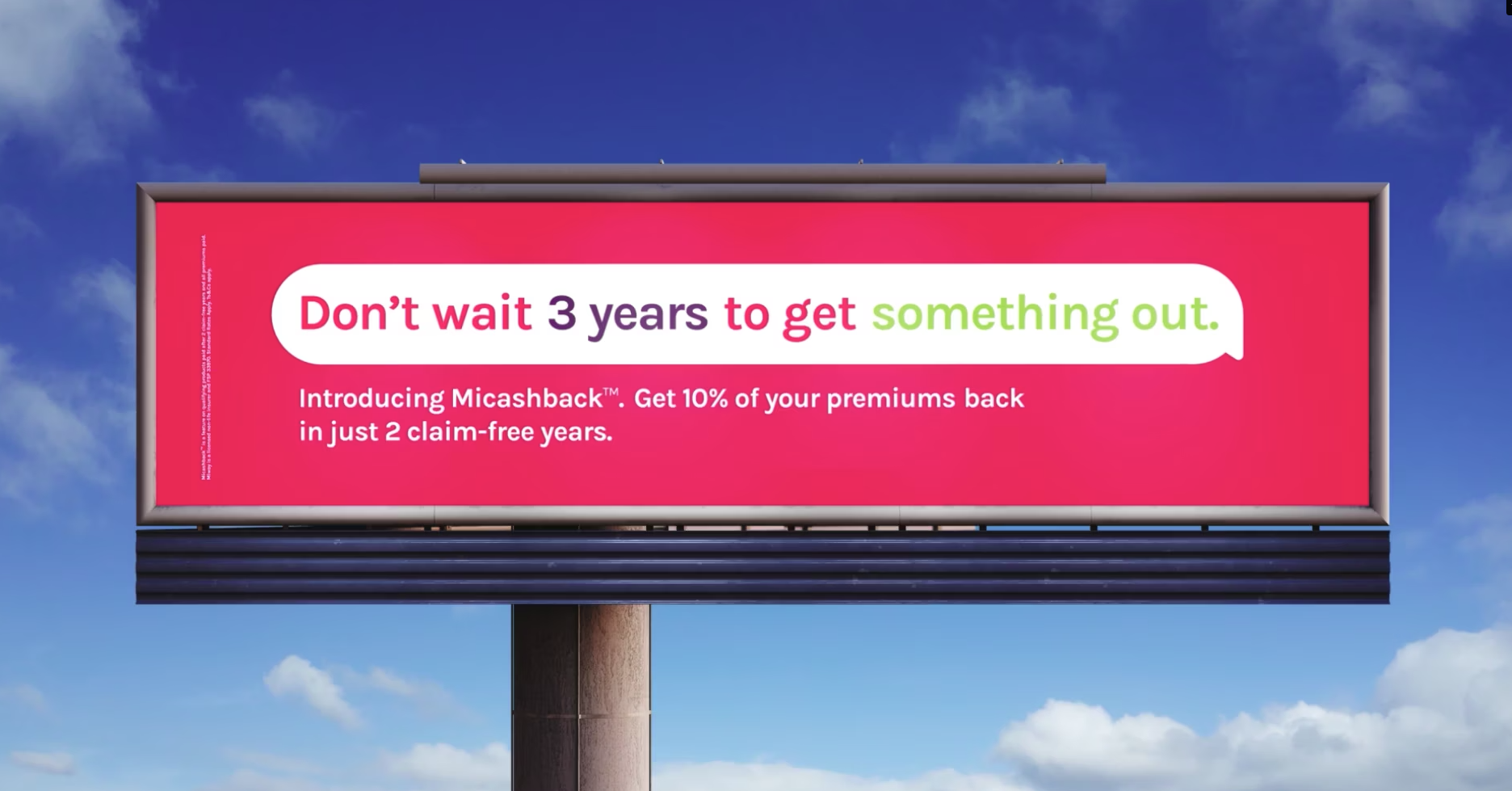
OUTsurance is one of South Africa’s most popular insurance brands. We see their ads everywhere, and their officers when the traffic lights are out. Their marketing is built around the idea of “getting something out.”
MiWay seized the opportunity to reference this slogan, while taking a dig at the company:
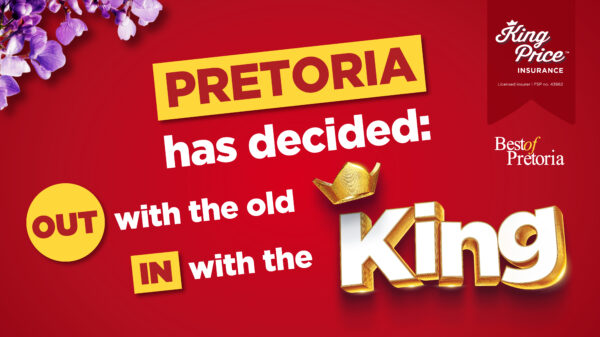
King against Outsurance (Digital)
King Price is a relatively new player in the insurance market. Following MiWay’s approach, it positioned King Price as superior to OUTsurance.
Melon Mobile
Melon Mobile is another relatively young company, but their recent billboard campaign is making waves. Their cheeky ads referencing other brands don’t stop at insurance. Melon Mobile calls out everyone from KFC to The Courier Guy.
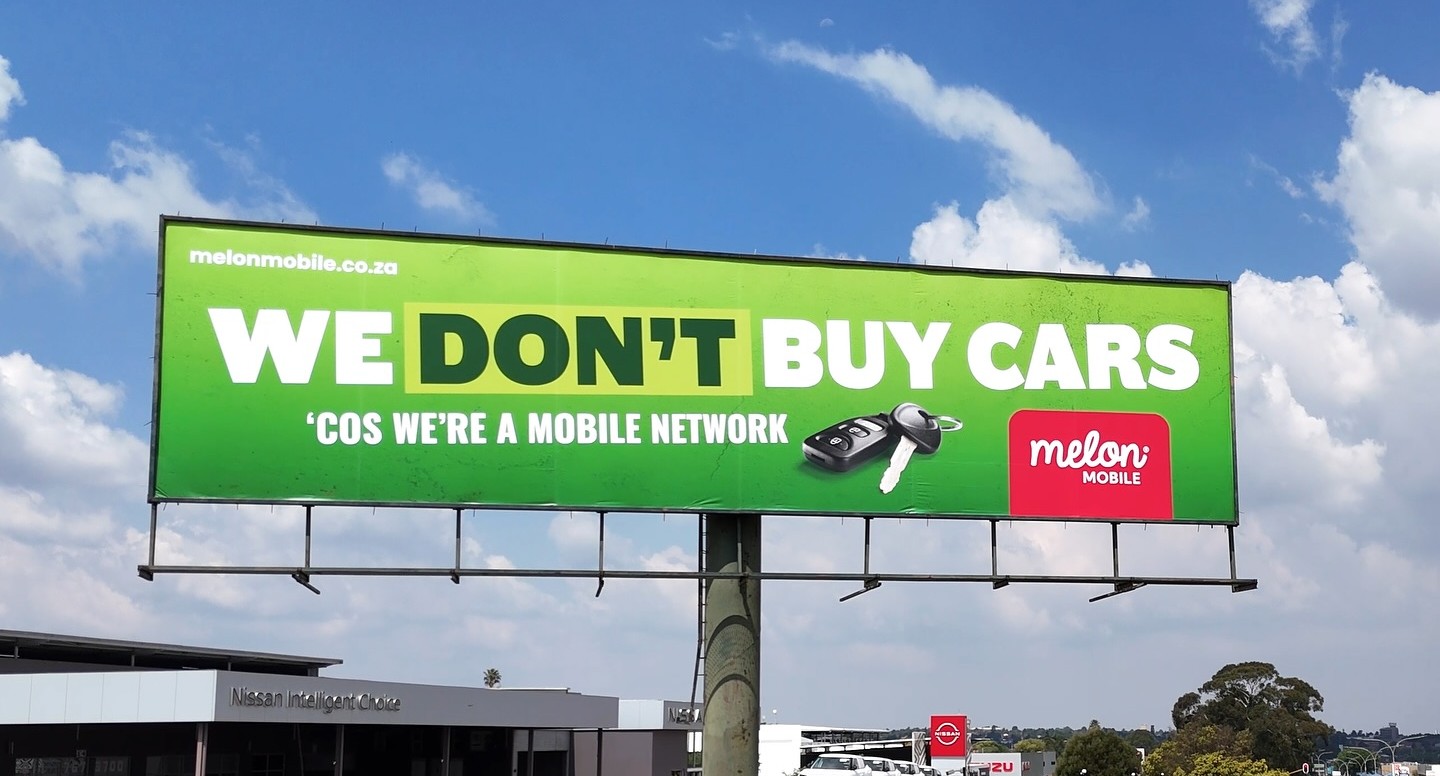
1. We Buy Cars
The phrase and brand name We Buy Cars is instantly familiar to South Africans. Their billboards line highways across the country. So, when Melon Mobile put up a board that reads, “We DON’T Buy Cars,” it stopped drivers in their tracks.
Melon Mobile leans into the same tongue-in-cheek tone used by brands like Pineapple. They hook attention by referencing a well-known brand, then subverting it with a playful twist.
2. Pineapple
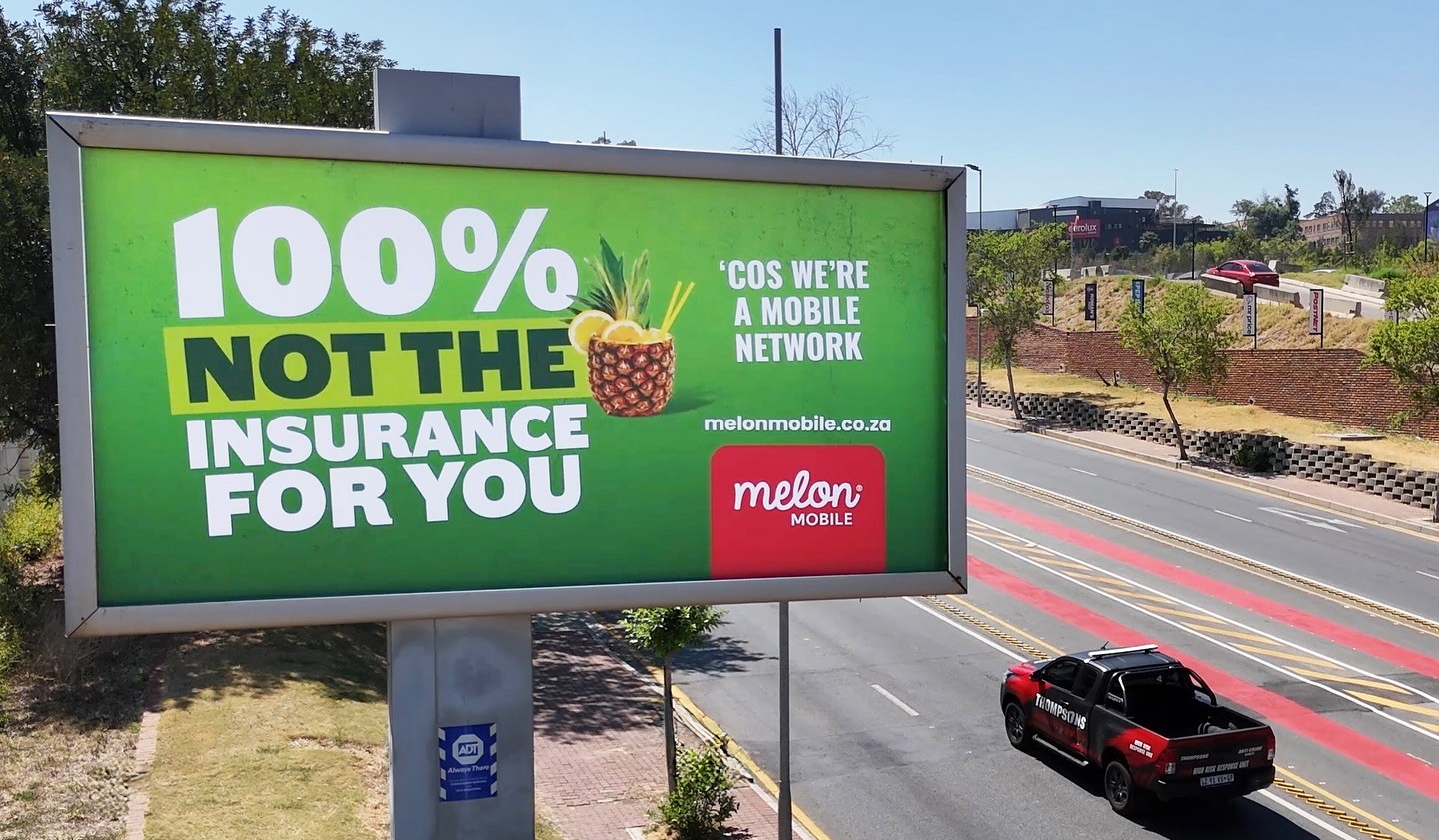
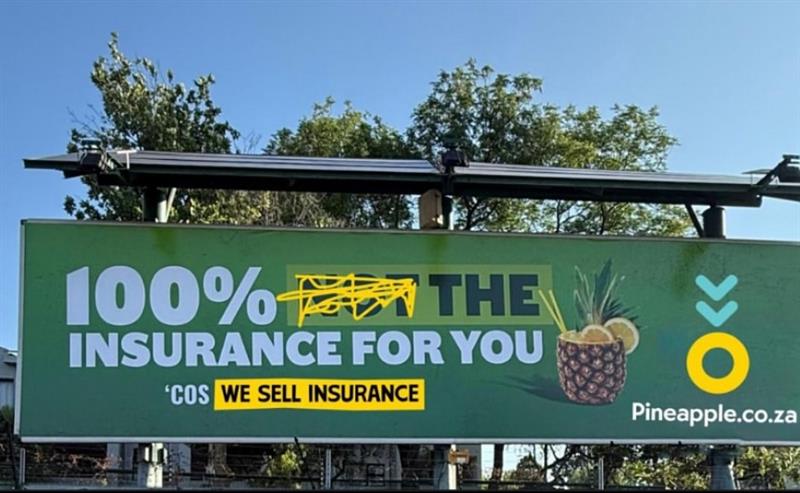
Speaking of Pineapple, Melon Mobile took a jab at the quirky insurance brand too. Pineapple is known for its cheeky ads that read “100% not the insurance for you” and for its bold yellow-and-black branding.
So, when a billboard in green and red appeared with a similar tone, it stood out immediately. Drivers noticed the shift in colour before even reading the line, which made the twist land even harder.
In South Africa, brands can reference competitors under strict advertising guidelines, but most avoid naming them directly to prevent legal disputes or Advertising Regulatory Board (ARB) complaints.
Instead, they rely on visual cues, colours, or phrasing to make the reference clear without saying the name outright. Melon did exactly that by using a pineapple image to hint at Pineapple Insurance while technically staying within the rules.
Since the release of the Melon x Pineapple ad, the quirky insurance company has responded:
War of the Cars
In the world of out-of-home advertising, few campaigns stand out quite like the cheeky duel between BMW, Audi, and later Subaru and Bentley. What started as a playful jab soon evolved into a textbook example of creative rivalry. It showed how physical ads can capture attention, spark conversation, and reinforce brand identity.
BMW, Audi, Subaru, Bentley (2006 Digital Media Campaign, American)
The rivalry between luxury car brands has always been fierce, but in 2006, it reached new heights in digital space. BMW, Audi, Subaru, and Bentley became part of what fans later called “The Car War.” It was a playful yet strategic back-and-forth that turned advertising into entertainment.
BMW vs Audi (American)
In Los Angeles, Audi put up a billboard teasing BMW with the line, “Your move.” BMW answered with its own billboard across the street showing the M3 and a single word: “Checkmate.”
The exchange sparked huge attention online, with people sharing photos and adding their own jokes. What began as a simple outdoor ad became a global talking point, proving how creativity and competition can make traditional media feel modern again.
New BMW Ad (South African)
BMW Polokwane recently unveiled a glowing billboard celebrating the BMW X3 as South Africa’s 2025 Car of the Year. Their social media post was accompanied by the caption “Our brand-new billboard is up and glowing with pride just like the BMW X3.”
The bold display could reboot the playful rivalries of the past. Competitors like Audi or Mercedes-Benz might respond with their own outdoor campaigns, potentially sparking a new “war of the cars.”
Referencing Real-World Situations
Pineapple
Pineapple is an insurance company, famous for their quirky ads, typically focused on the millennial and gen-z generations. Their eye-catching billboards have people posting them online, gaining recognition and website traffic.
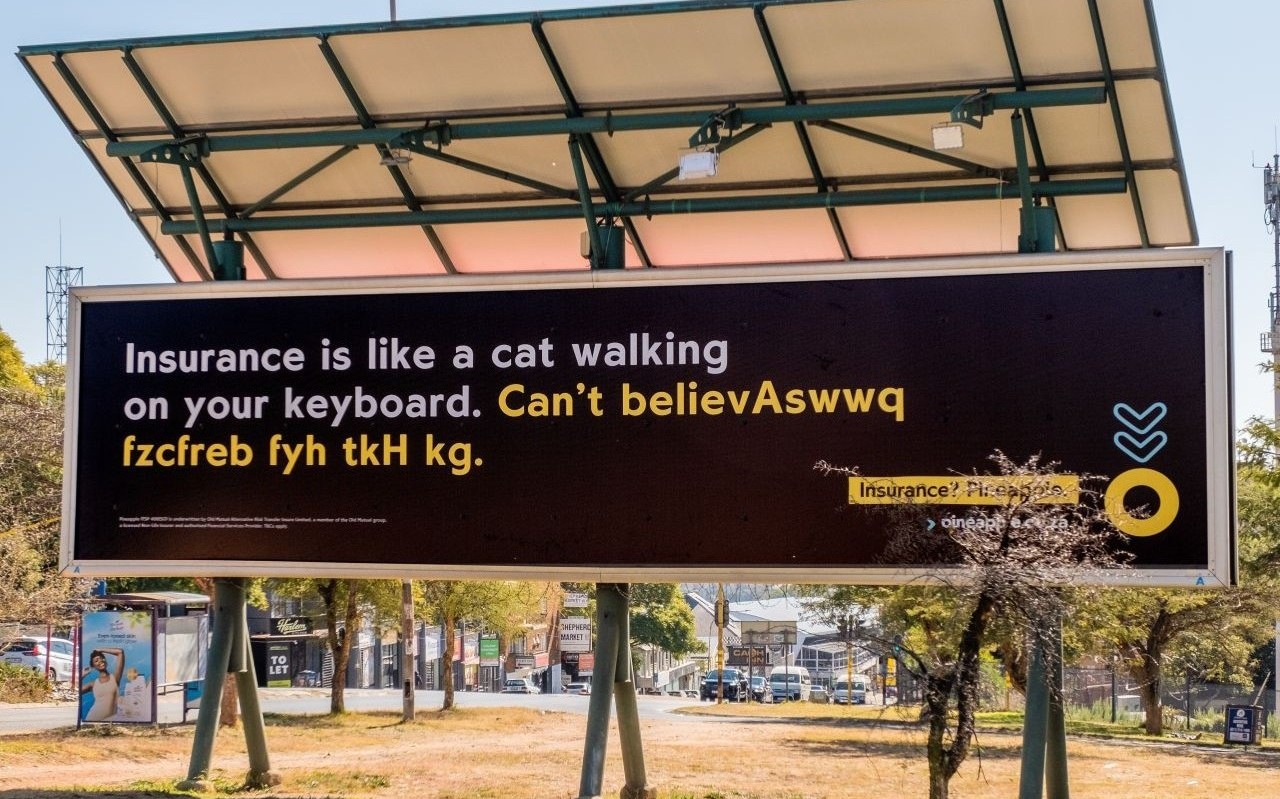
A big part of their advertising relies on everyday scenarios people recognise. In one campaign, they joked about the familiar chaos of a cat walking across a keyboard and ruining whatever you were working on.
What makes that billboard clever is the clear care taken with the gibberish text. It feels random, but it was likely reviewed closely to make sure it didn’t form any accidental words or offensive phrases.
Another example taps into a feeling many South Africans share when dealing with the South African Revenue Service. Reflecting that shared frustration in a light, humorous tone, the billboard sparked conversation.
That kind of relatable messaging not only gets people talking about the brand, but in some cases even leads them to try Pineapple’s services.
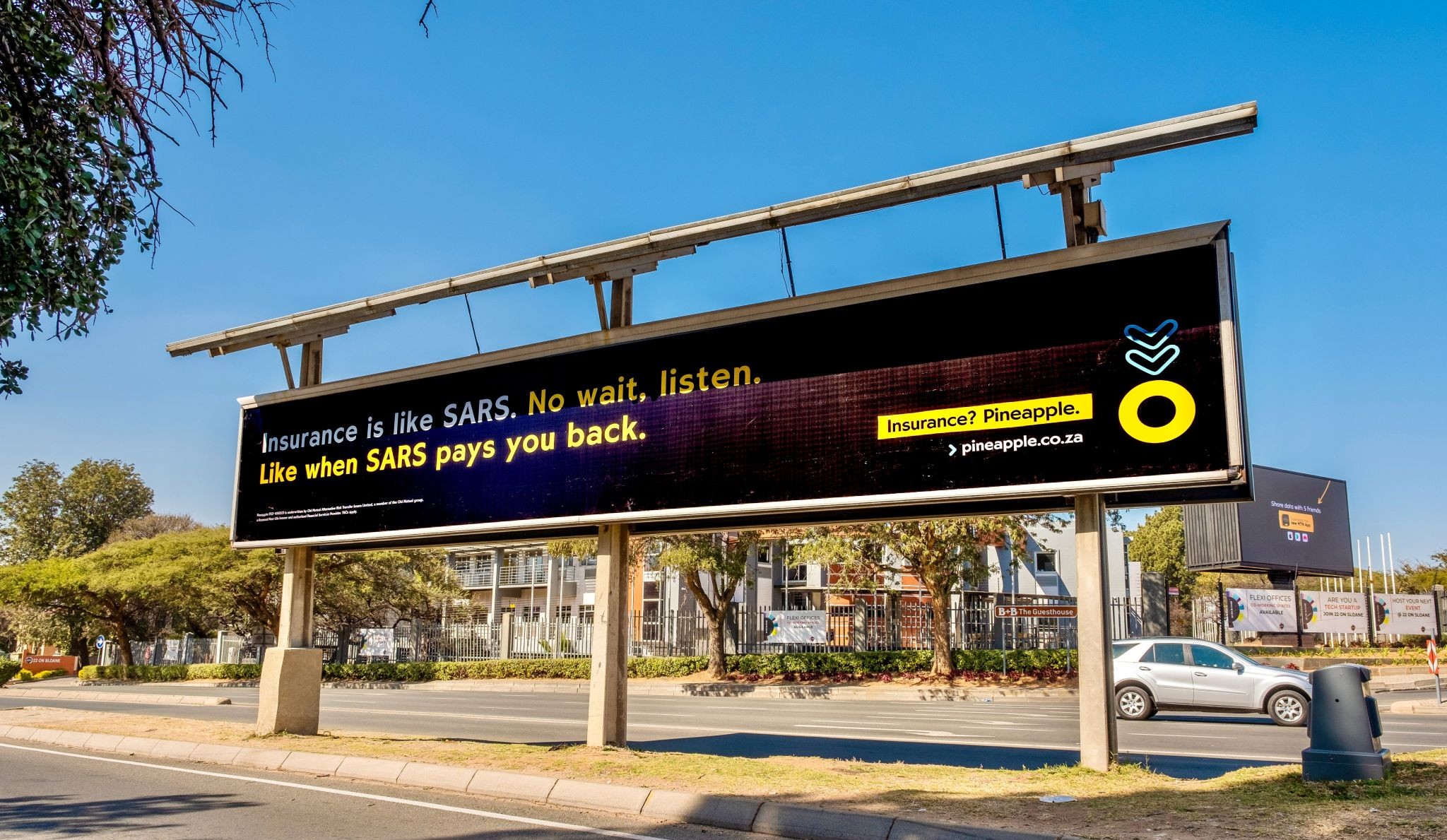
These two billboards are only the beginning. Pineapple has an entire arsenal of ads displayed all around the country.
MetroFibre
MetroFibre is a South African internet service provider. The company uses humour and local culture in its outdoor campaigns. Rather than generic claims, it creates ads South Africans instantly understand. Everyday situations become memorable ways to showcase speed and reliability.
MetroFibre’s “Like peak traffic, but in the taxi lane” billboard captures the frustration of every commuter who has battled South Africa’s notorious traffic. By using a situation that locals immediately recognise, the ad creates a sense of shared experience while highlighting the brand’s understanding of everyday challenges.
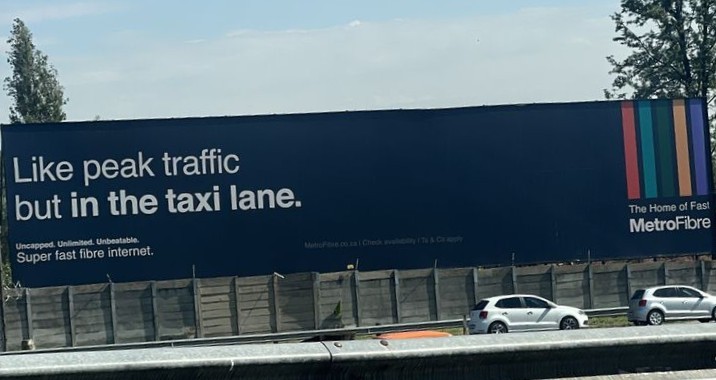
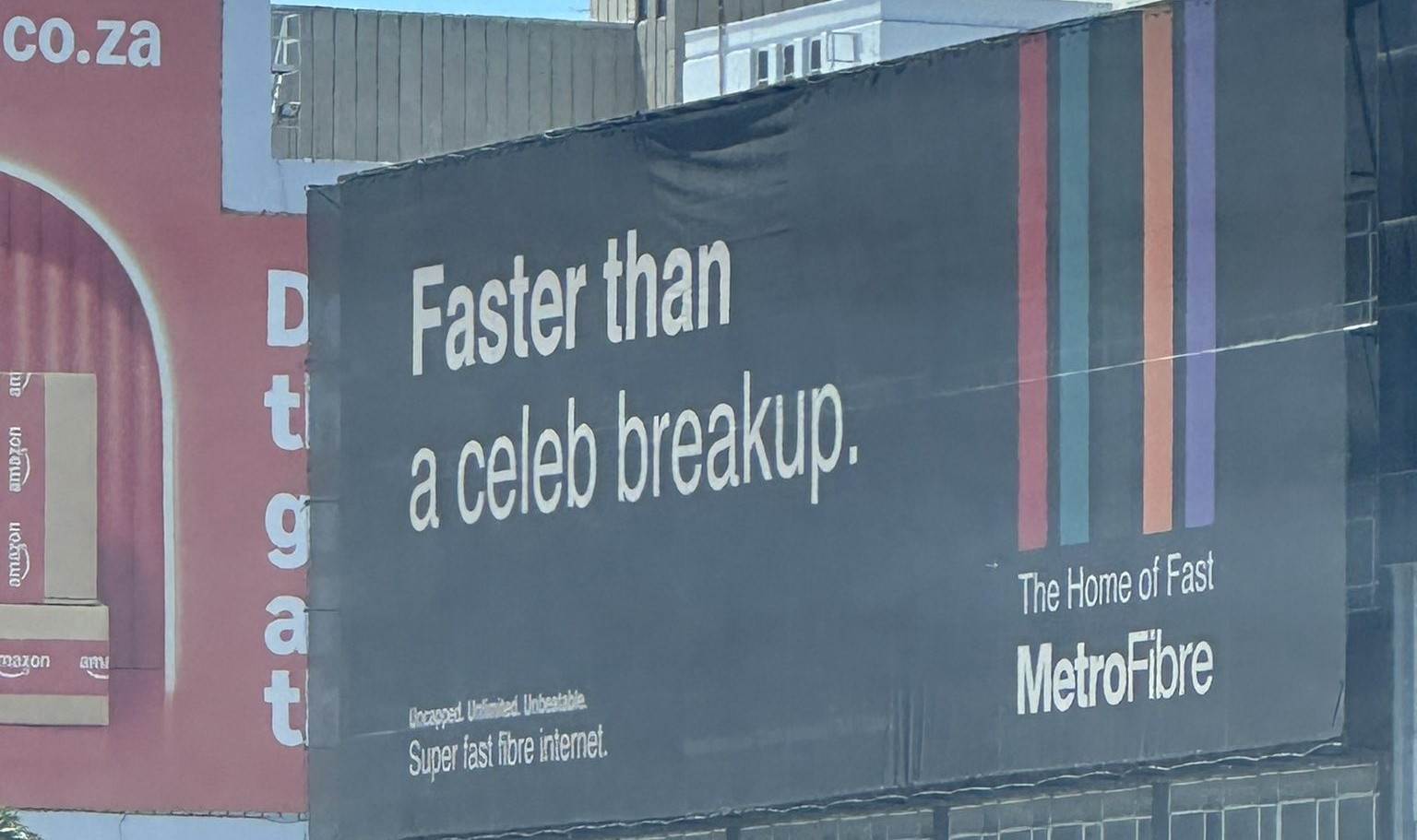
Another billboard reads, “Faster than a celeb breakup,” using humour and pop culture to grab attention. The comparison is playful and relatable, showing that MetroFibre can turn everyday references into a memorable way to communicate speed and reliability.
Chappies
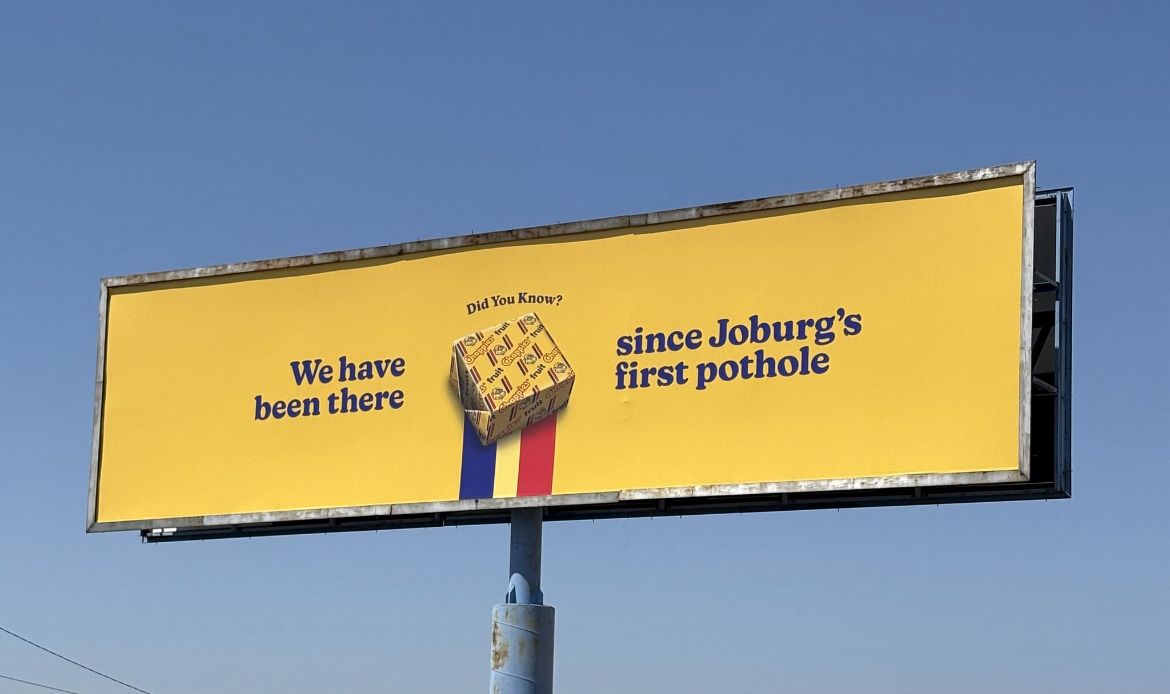
Chappies is a staple treat in South African households. The bubblegum has been around since the late 1940s, and it feels as though it’s always been here. Locals know it best for the iconic “Did You Know?” facts printed inside the wrappers.
Recently, the brand leaned into its signature quirk to address a familiar frustration for South Africans: potholes. The campaign hinted at a playful double meaning, the idea that Chappies could be used to fill the potholes themselves.
Play on Words and Visuals
Dotsure
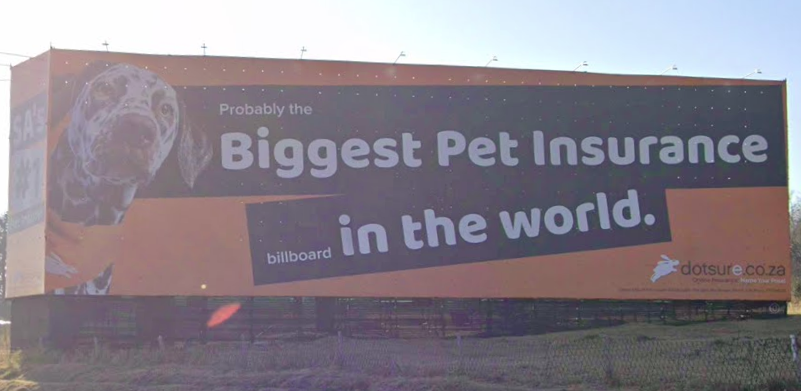
Dotsure is a rising pet-insurance brand. Their latest billboard captures the attention of drivers and pedestrians alike, using large text to grab notice and smaller text to provide additional details.
Heineken
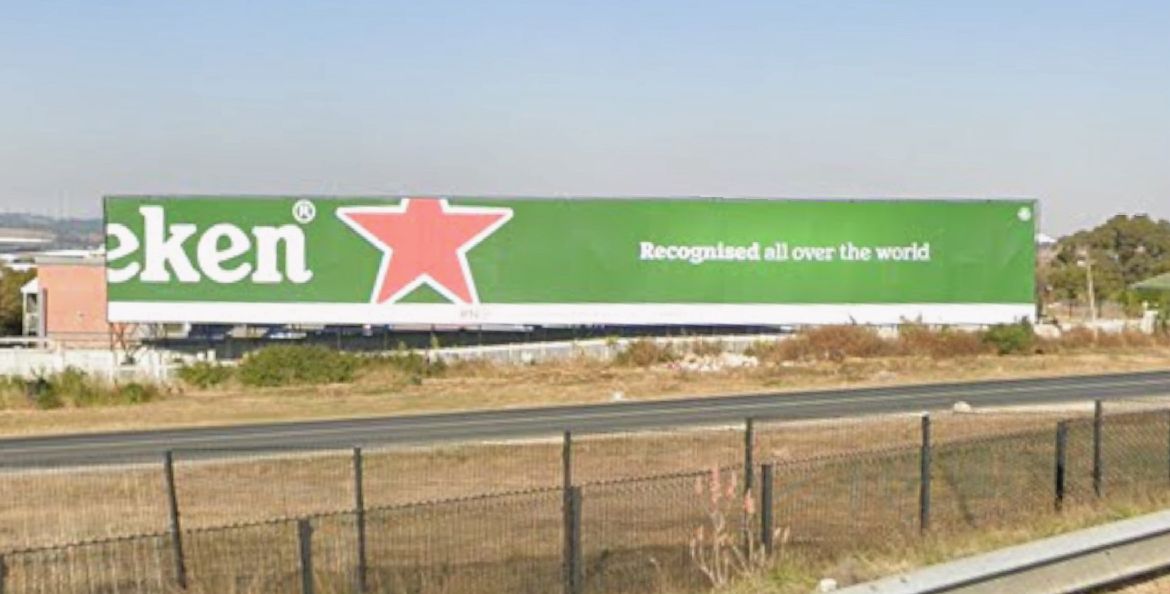
Heineken is a Dutch beer brand enjoyed by consumers worldwide. The company leveraged its popularity with a new campaign that shows only part of the brand name. Despite the incomplete name, passersby instantly recognise the beer.
Mazda
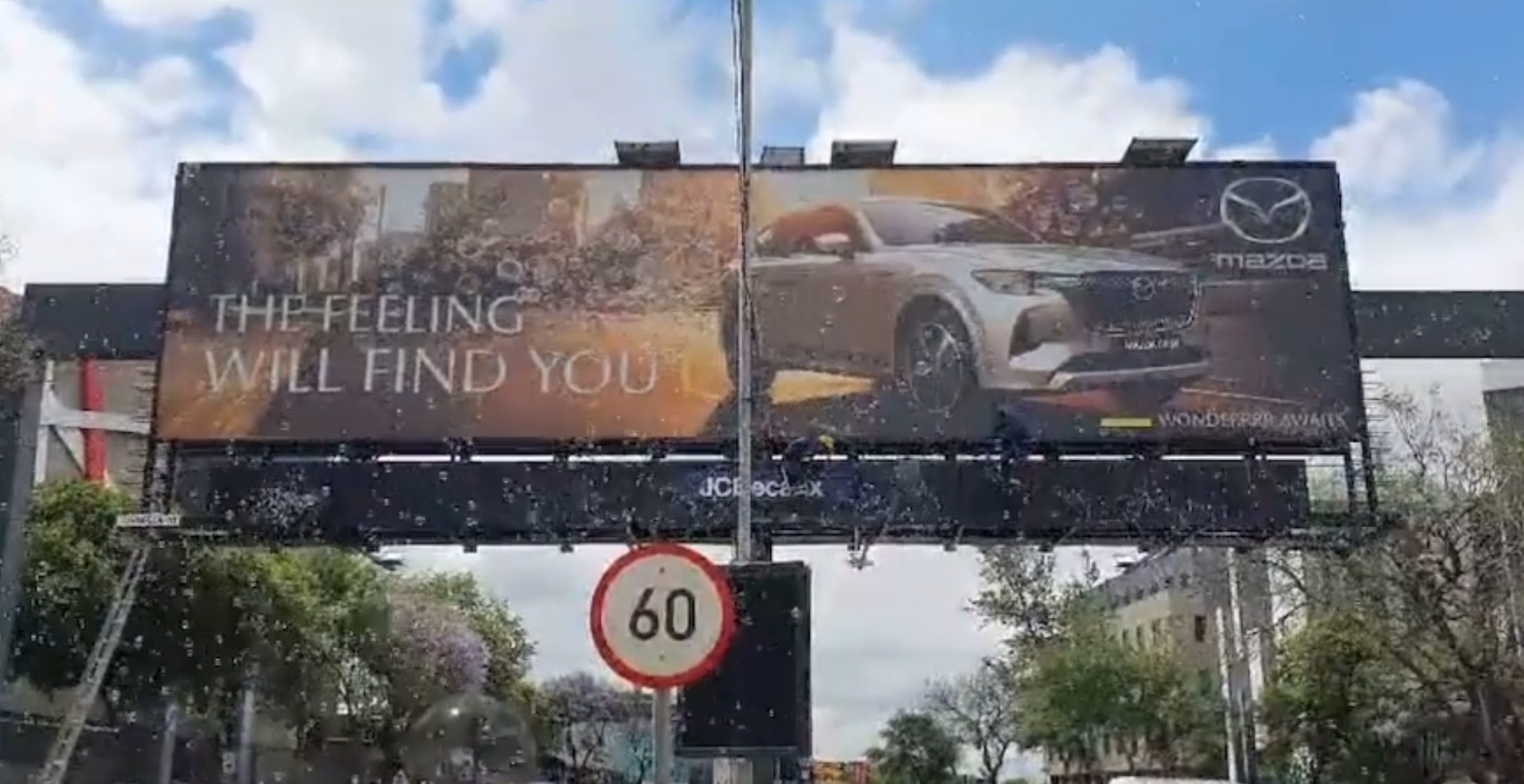
Mazda, the renowned Japanese car brand best known for the MX-5 Miata, recently launched a new campaign built around the theme “Wonderrrr Awaits.”
In a striking display of creativity, Mazda unveiled a billboard that releases bubbles throughout the day. The installation has captured the attention of passersby, who are drawn in by its playful and unexpected charm.
The bubbles tap into a sense of childlike curiosity, transforming a simple moment into an experience of wonder. This aspect perfectly reflects the spirit of the campaign.
Taking a Risk
Galito’s
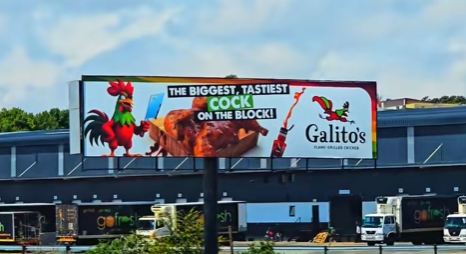
Galito’s appears to be channelling the cheeky energy of Nando’s advertising. The billboard below received many comments, and many complaints as well. But as the saying goes, there’s no such thing as bad publicity.
Pineapple
Pineapple is known for its unconventional, out-of-the-box ads. Like the Galito’s billboard, some of their jokes spark debate, with a few people feeling they push the line too far.
1. Original Controversial Ad
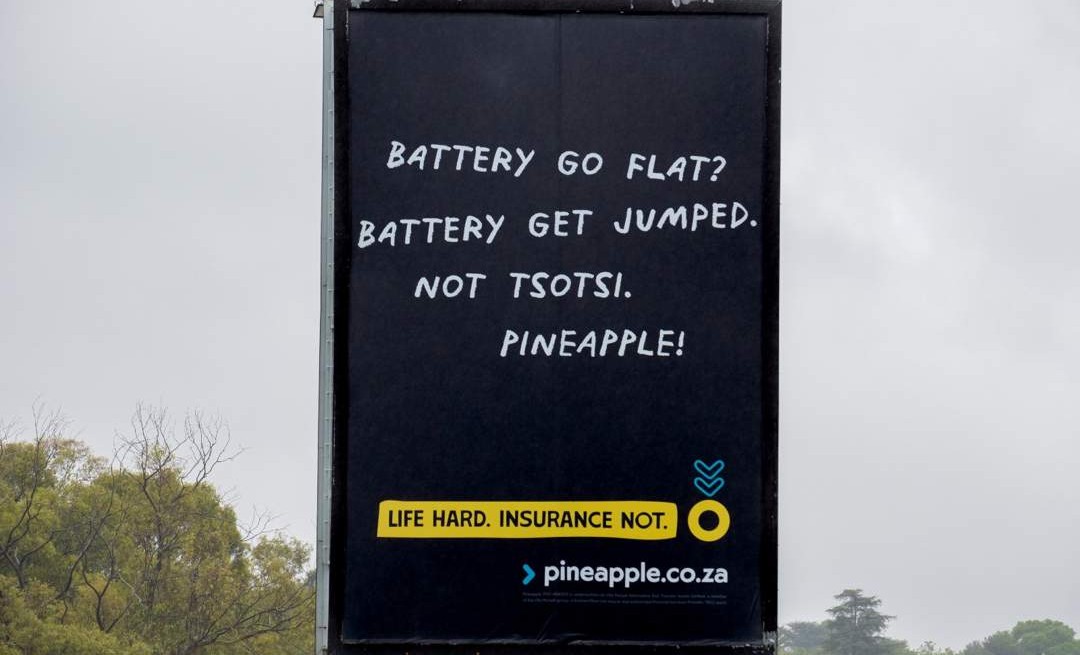
Pineapple faced criticism for an ad that many found offensive, prompting requests for it to be taken down. The campaign, which mimicked “caveman talk,” relied on certain stereotypes. Below is the original ad that sparked controversy.
2. Their Response
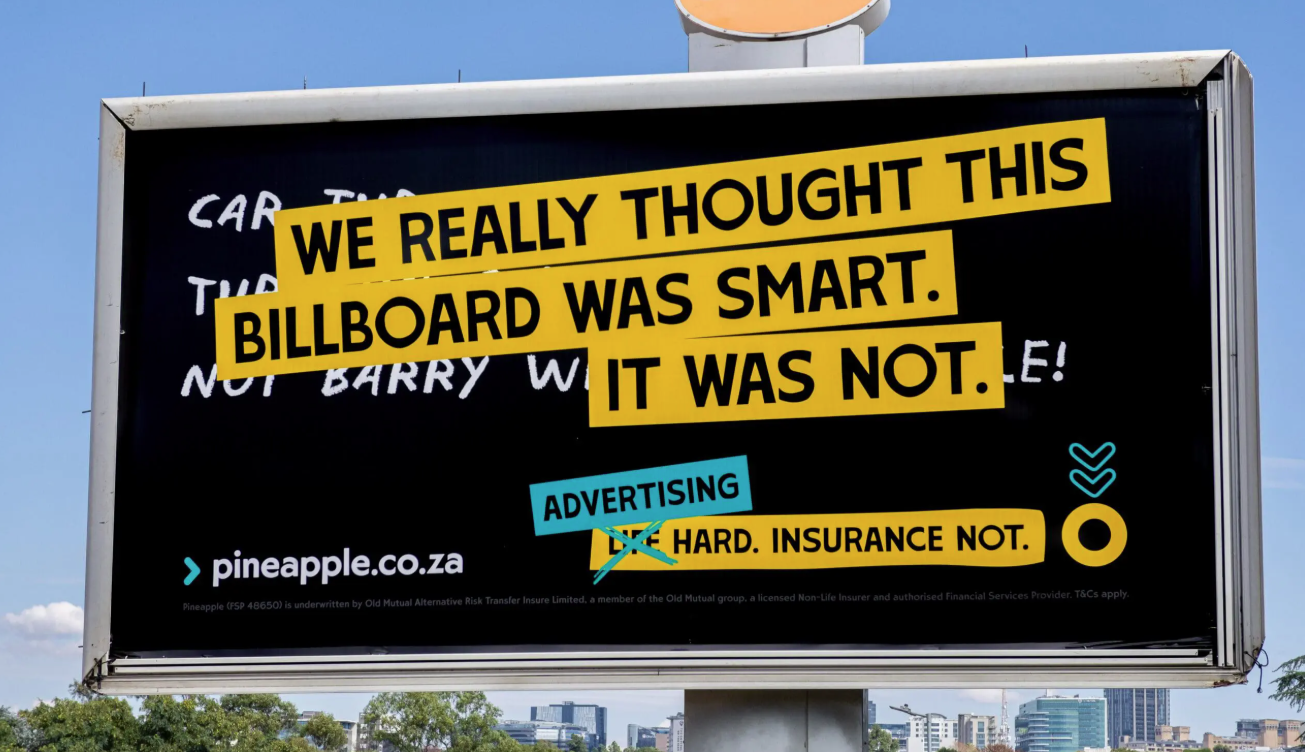
In response, Pineapple launched a new campaign titled “Advertising is hard.” The billboards carried a cheeky, almost passive-aggressive tone aimed at those who had complained.
King Price
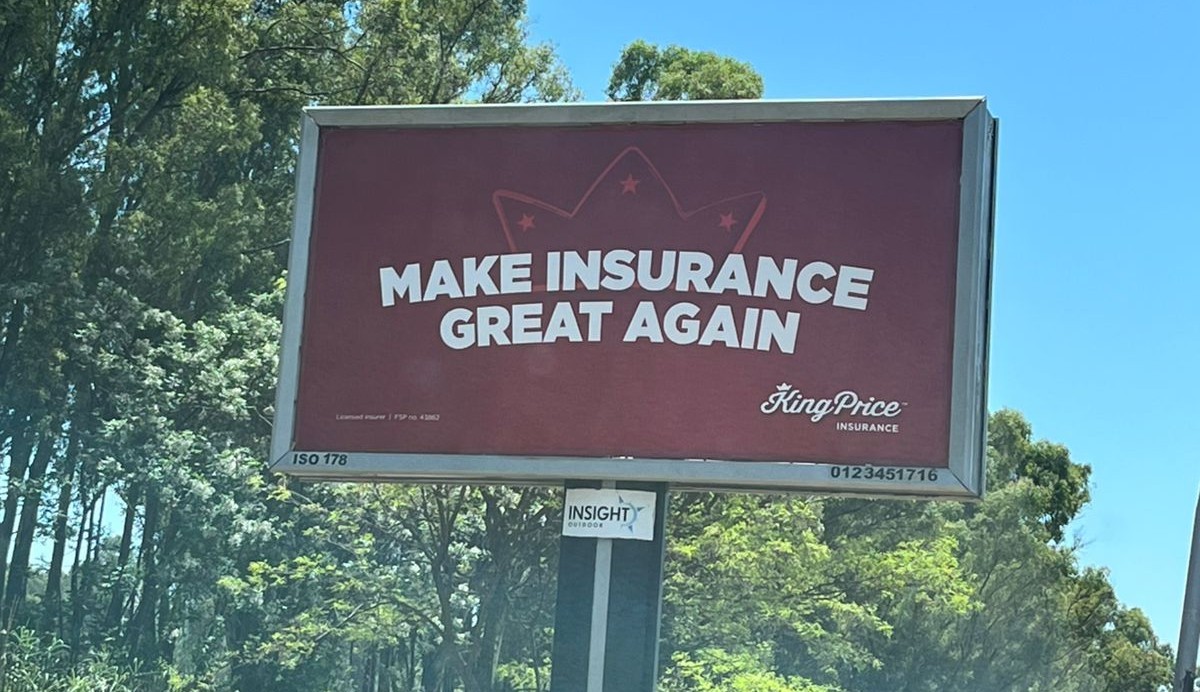
Recently, King Price released a billboard with the statement “Make Insurance Great Again.” Their campaign is a reference to the United States movement called Make America Great Again, spearheaded by the current president Donald Trump.
Trump is not popular among many groups of people, especially since his new tariff rules may damage the South African economy. King Price’s bold headline is an eye-catcher, but whether it attracts positive attention is yet to be decided.
Betway’s Springbok Sponsorship
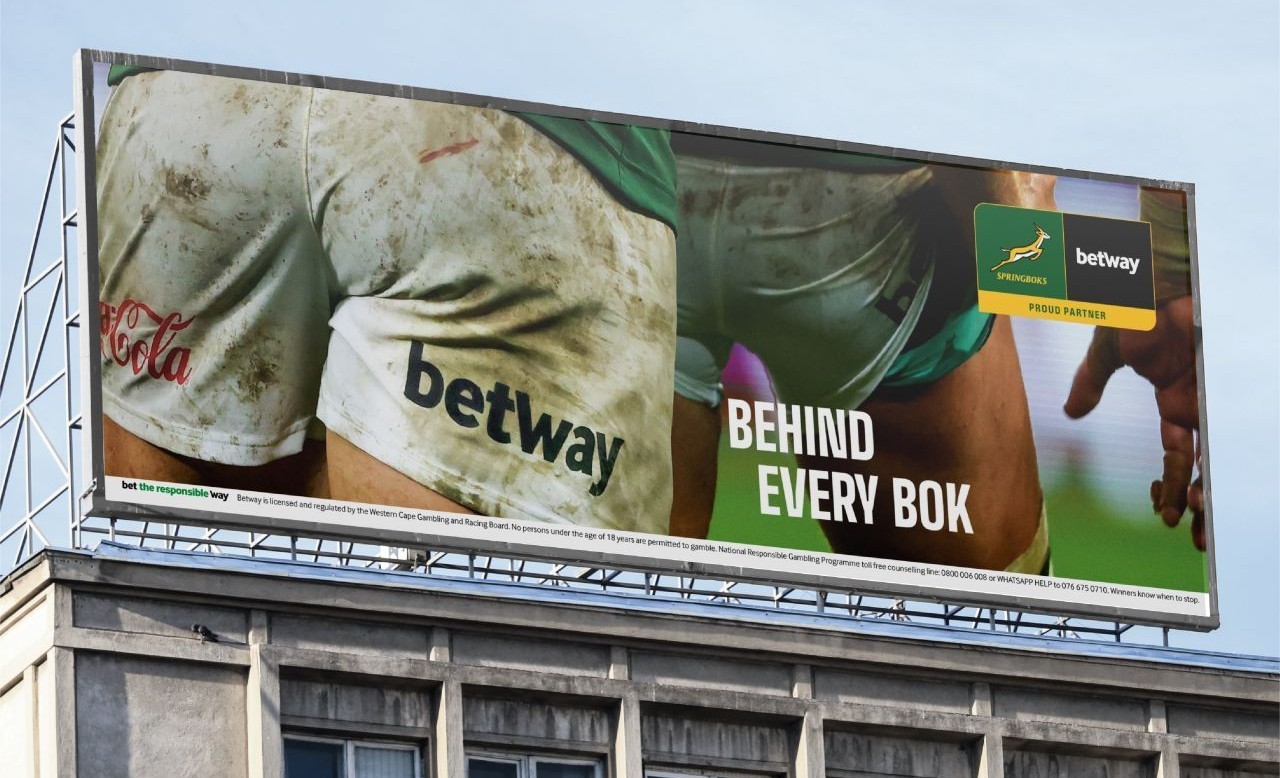
Betway is a South African company that lets citizens bet on sports. The brand has long sponsored the national rugby team, the Springboks. Recently, Betway partnered with Halo Advertising to launch a bold new campaign titled Behind Every Bok.
The billboards feature Betway’s logo printed on the back of the players’ shorts, photographed after their Barbarians game. The images – showing the players from behind – created instant buzz. Seeing the backsides of South Africa’s rugby heroes towering over highways is unexpected, humorous, and impossible to ignore.
The Return of Out-Of-Home Advertising
Even in a digital age, a clever billboard can stop people in their tracks. Brands like Heineken, Pineapple, and Betway prove that bold visuals and smart messaging still cut through the noise, leaving a lasting mark in the real world.
While billboards may seem like an alternative to digital advertising, they can spark valuable online conversations. When used creatively, they bridge the gap between physical and digital spaces, allowing brands to make an impact both on the streets and across social media.
Outdoor advertising isn’t just relevant; it’s unforgettable.
Author: Marvin Way