
The Rise of Afrocentric Branding: Why Local Identity Is Your Global Advantage

In a globalised world where brands seem to fade into a common market landscape, standing out means looking inside. Across Africa, Afrocentric branding is becoming one of those forces picking up in the wind. This is not about just “being African”; it is about standing tall and proud in an African identity: culture, languages, stories, and aesthetics, and using them to shape marketing strategies that resonate deeply at home and captivate audiences abroad.
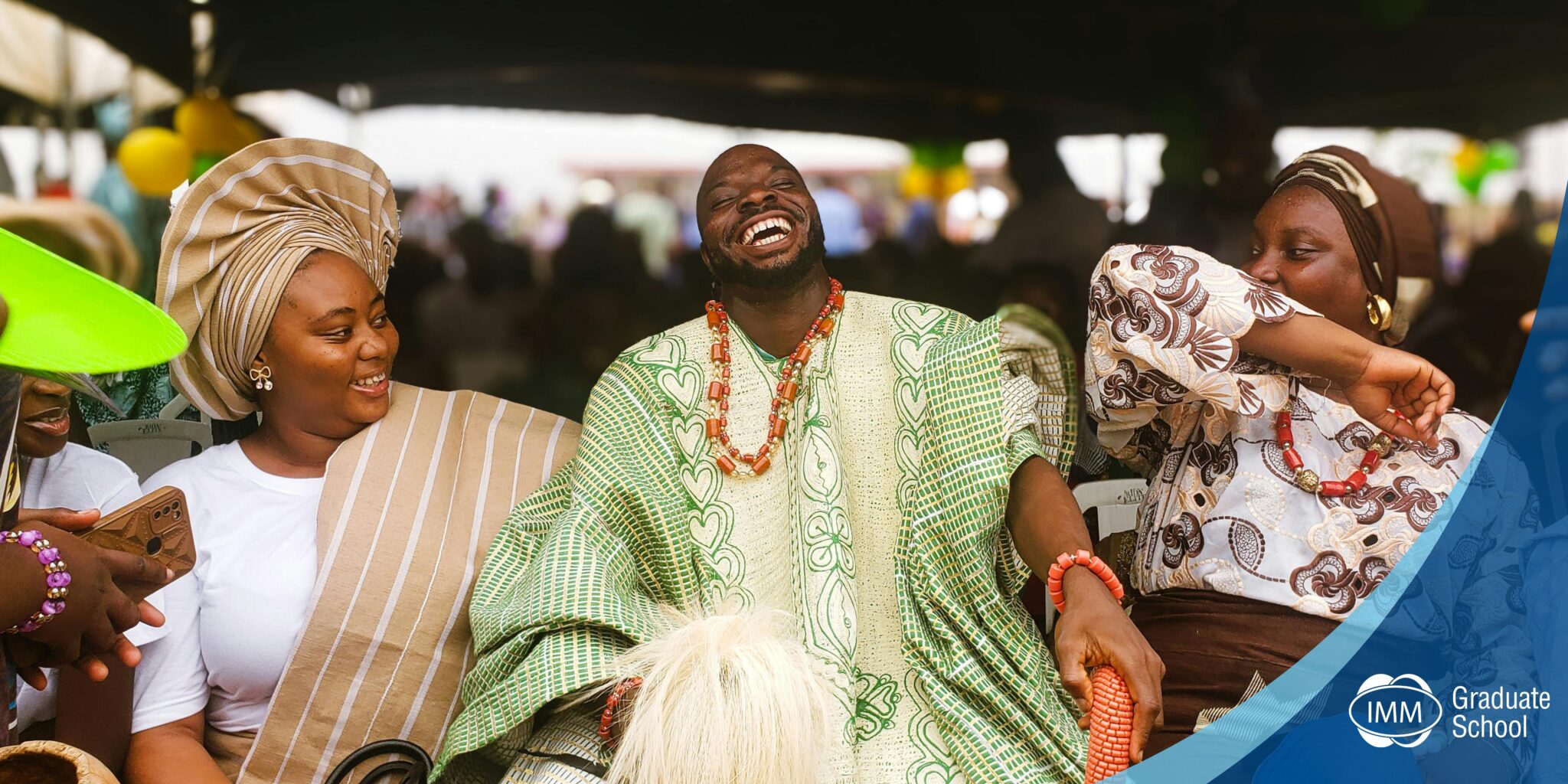
The Power of Local Narratives
The term Afrocentric branding covers a broad spectrum of African heritage, from folklore to fashion, food, or philosophy. These stories are never uniform but rather regional, contextual, and carry values like ubuntu (believing in shared humanity). These brands are strengthening emotional connections with their users by aligning with deeper values, not just by what they sell but also by why they sell it.
Consider Maxhosa Africa, for example. The contemporary Xhosa-inspired knitwear from the fashion house is not just clothing, it tells the stories of pride, endurance, and cultural heritage. Similarly, Yebo Fresh, an online grocery company in South Africa, channels a local insight to serve a township economy better than an international model would.
From Local Roots to Global Relevance
Brands that lead with African identity are no longer seen as “niche” or “ethnic”, they’re increasingly influencing global trends. Afrocentric design, beauty, and music have surged in popularity worldwide. This shift signals an appetite for authenticity and diversity, and African brands are uniquely positioned to deliver it.
Consider Shea Moisture, which began by celebrating natural Black hair and African shea butter traditions. Today, it’s a global brand championing inclusion. Similarly, the rise of African film and music, from Nollywood to Afrobeats, has brought with it an export of lifestyle, language, and attitude that marketers can’t ignore.

Why Afrocentric Branding Works
Afrocentric branding works because it’s authentic, differentiated, and culturally intelligent. It rejects borrowed templates and reframes Africa not as a market to be “developed,” but as a wellspring of innovation. It’s strategic, not just cultural, branding. Businesses are seeing the benefits of this approach in several ways:
- Deeper Customer Loyalty: When customers see themselves reflected in a brand, they feel seen and respected.
- Market Relevance: Tailoring products and messages to local norms and languages increases market penetration.
- Global Appeal: In a saturated market, the richness of African identity cuts through the noise.
Study Marketing With a Purpose
If you’re inspired by the power of African stories in business, the Bachelor of Commerce (BCom) in Marketing and Management Science from the IMM Graduate School is an ideal starting point. This versatile degree equips you with both creative and strategic marketing skills, while offering majors in Project Management, Sales Management, or Supply Chain Management, all aligned to national skills shortages for strong career prospects. You’ll gain the ability to critically analyse and evaluate business and marketing data, preparing you for diverse roles in marketing, PR, sales, consultancy, and beyond. Plus, you can further your studies with a postgraduate qualification like the BPhil Honours in Marketing Management.

What Does This Mean for Future Marketers?
At the IMM Graduate School, we prepare marketing professionals to think globally while acting locally. The rise of Afrocentric branding proves that local insights are no longer just a starting point, they’re a strategic advantage.
To succeed in the modern marketing world, graduates must learn how to elevate African voices, understand regional nuances, and build brands that don’t just sell, they inspire.
In a sea of sameness, being proudly African is a differentiator. The world is listening. Now is the time to tell our stories, on our terms.