
AI is your new colleague: What managers need to know about human–machine collaboration

The modern office looks very different from what it once was.
Alongside the usual noise of email pop-ups, meetings, and team huddles, there’s now a new, silent co-worker: artificial intelligence (AI).
It might screen CVs for recruiters, power chatbots in customer service, or crunch sales data in minutes. No longer a science-fiction concept, AI is now part of the team.
For managers, this brings a mix of excitement and unease. After all, not all “team members” can be called human anymore. The answer lies in rethinking the role of managers in a world of human–machine collaboration.
From controller to coach
Historically, leaders were often regarded as controllers: they would lay down tasks, monitor performance, and make the final decisions.
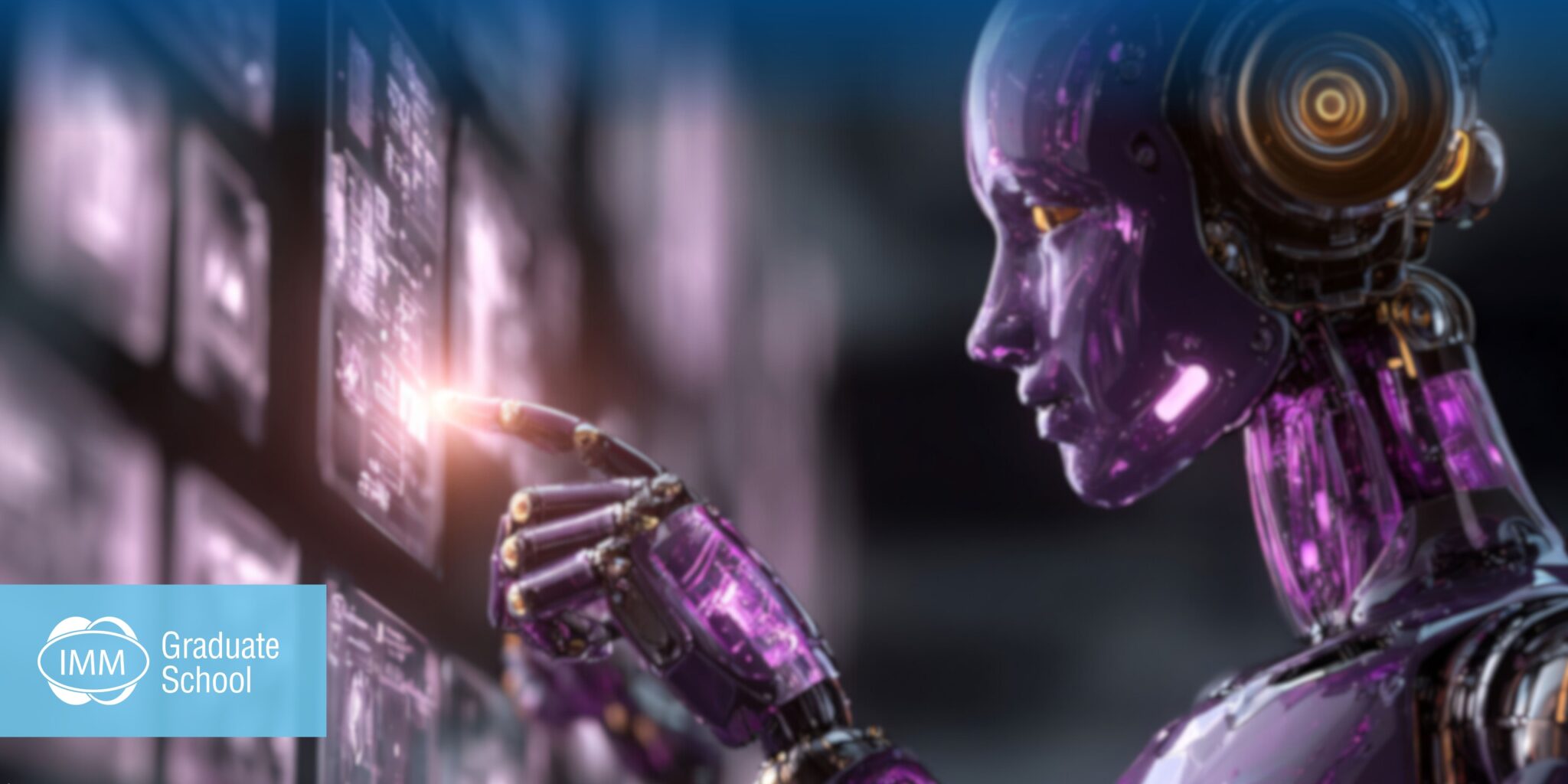
With AI now doing all the iterative, data-heavy processes, managers must rethink their roles and embrace being coaches. It changes the focus from ” making sure the work gets done” to “helping people excel at the work only humans can do, which includes creativity, empathy, and problem-solving.”
AI is not here to substitute humans. Instead, it frees us from repetitive tasks so we can focus on our unique strengths. Managers who encourage teams to tap into these human strengths will generate stronger engagement and innovation.
Learning to trust the machine
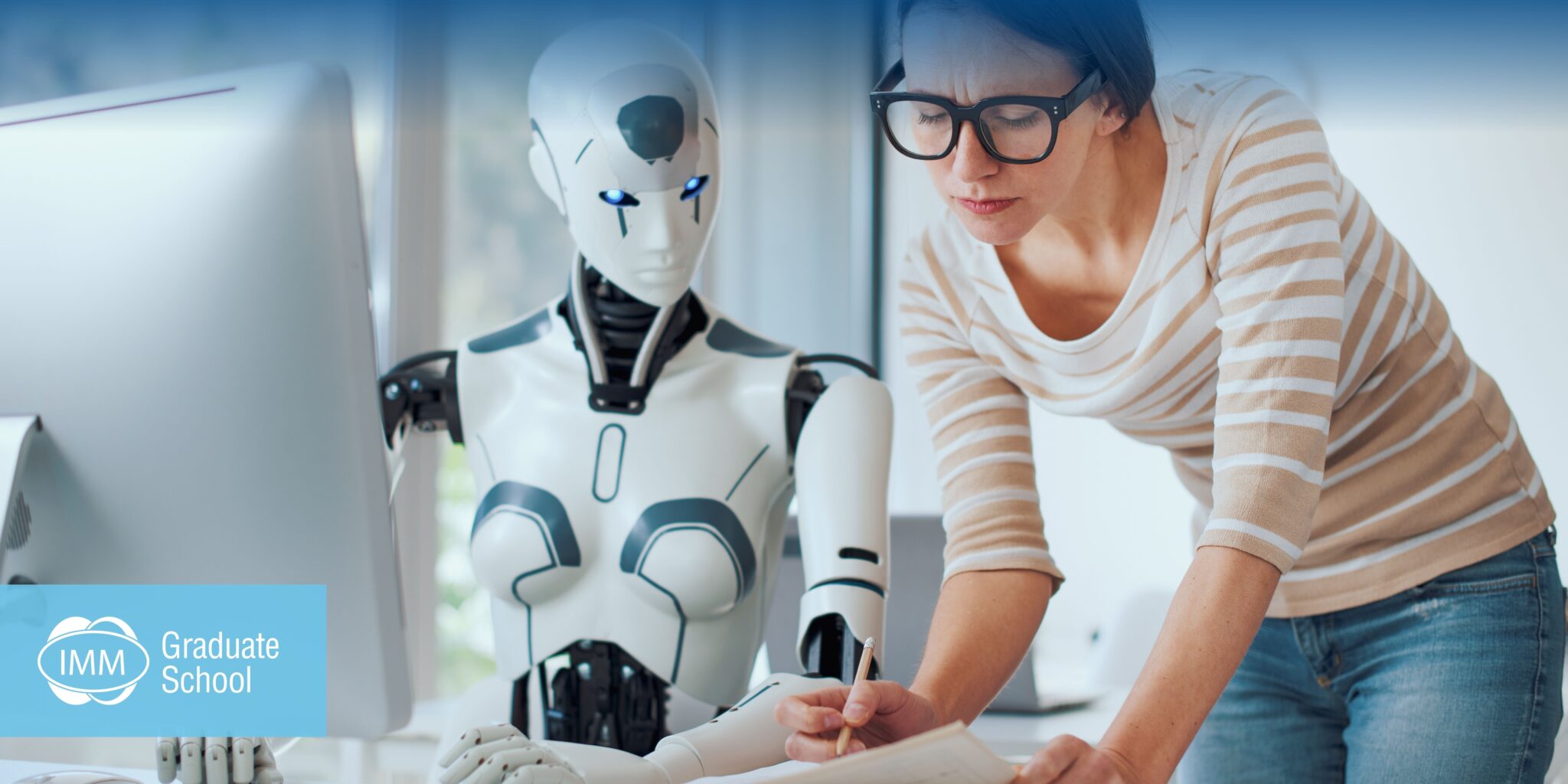
Another key adjustment is trust. AI can process more information than any manager ever could, but it isn’t infallible. It’s only as good as the data it’s trained with.
Managers must learn to build a balanced relationship with AI: valuing its insights without blind reliance and always applying human judgment as a final check.
Think of it like working with a brilliant number cruncher who lacks emotional intelligence. Their thoughts are worthwhile, but the ultimate decision needs to be made with the human touch.
Building new skills and mindsets
For managers, AI integration isn’t only about adopting new tools, it’s about developing talent. Teams will need ongoing training – alongside AI collaboration – to build digital literacy, critical thinking, and ethical judgement.
Managers themselves will have to develop a growth mindset and remain lifelong learners so that they can steer their teams through these constant changes.
If this new world of work really excites you, then why not go a step further and start preparing a future-ready career now? The Bachelor of Business Administration (BBA) in Marketing Management offered by the IMM Graduate School equips you with strategic, financial, and creative skills to thrive where customer needs, technology, and business objectives converge. More than shaping marketing, this qualification empowers you to create real value for companies, industries, and communities.
Leading with humanity
Managers should keep in mind that people want to be appreciated and secure in their jobs. As AI grows more powerful, fears about replacement are inevitable.
The best leaders address these anxieties by framing AI as a partner, not a threat. When employees see AI as a supportive tool, collaboration and morale improve.
AI might not be in the office with you at the coffee station or contributing to a brainstorming session, but it has already entered the workplace. The real test (and opportunity) for managers is building teams where human creativity and machine intelligence work seamlessly together.