
Marketing trends set to shape 2026: What the future holds for brands and marketers

Marketing changed dramatically through the 19th and 20th centuries. After the Industrial Revolution and the rise of mass production, companies needed new ways to reach people. Print advertising opened the door to wider, more diverse audiences at scale. Between the 1920s and 1950s, radio and television transformed how brands connected with the public, introducing catchy jingles and powerful visuals that shaped the foundations of modern mass marketing.
The internet boom of the 1990s shifted everything again. Brands launched websites and began emailing customers directly, marking the true beginning of the digital marketing era.
So where does Artificial Intelligence (AI) fit in?
AI is already rewriting the rules of marketing. It is changing how brands understand audiences, deliver messages, and stay relevant in an always-on world.
Here is what’s next and how IMM Graduate School equips future marketers to lead in this new reality.
1. AI becomes a creative partner, not a tool
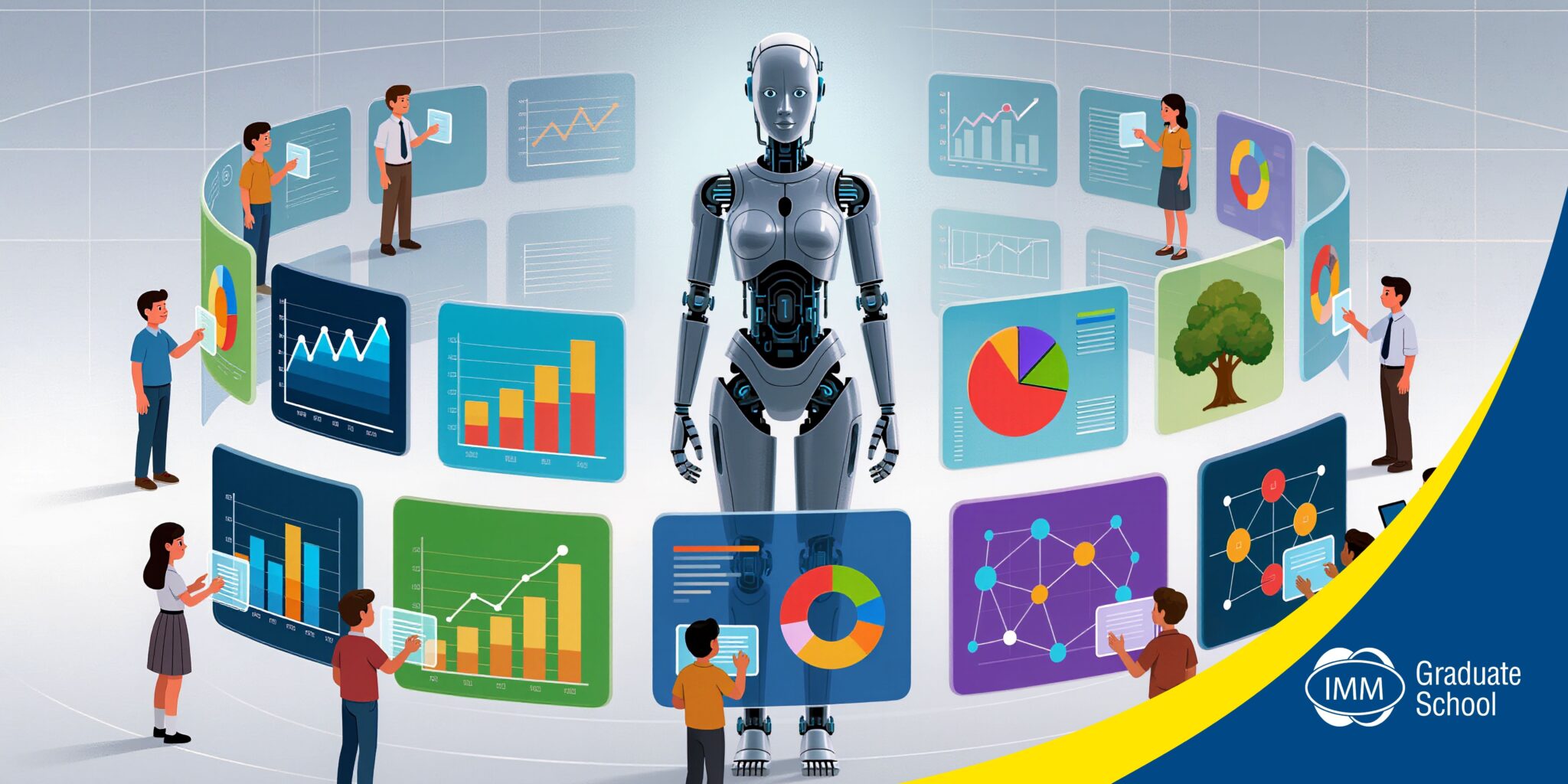
AI is not a buzzword anymore. In 2026, it holds a firm place in daily work. It will not support automation alone, and it steps into the creative seat as well. You will see AI systems that co-write campaigns, tailor user experiences in real time, and predict what people want before they ask.
Marketers will use AI to:
• Produce personalised content based on live behavioural signals.
• Test and adjust ad creatives for stronger performance.
• Shape customer journeys in real time.
Why it matters: Marketers who work with AI save time, strengthen ROI, and build content that reaches people in a direct way.
2. Predictive analytics goes mainstream
Data holds value. In 2026, the focus shifts from collection to prediction. Predictive analytics becomes a core part of strategic planning. It helps brands anticipate trends, churn, and moves from rivals.
This gives marketers the space to:
• Launch campaigns the moment they have impact.
• Lower acquisition costs.
• Lift lifetime value with sharper segmentation.
At IMM Graduate School, students train in data literacy and marketing analytics. They leave with the skill to use insights instead of storing them.

3. Adaptive content over static messaging
Short attention spans shape how content works. Static messaging loses grip. In 2026, content adjusts in real time. This means websites that shift as users move, emails that change based on behaviour, and video tailored by audience groups.
Brands that use adaptive content see:
• Higher engagement.
• Better conversion across touchpoints.
• Smoother content production lines.
With machine learning and customer data platforms (CDPs), this level of personalisation sits within reach.
4. Purpose-driven branding is no longer optional
Audiences in 2026 expect more than products. They look for meaning. They support brands with strong missions. If the mission speaks to sustainability, inclusivity, or social progress, it earns loyalty over time.
Purpose-driven marketing will:
• Build trust.
• Set brands apart in saturated spaces.
• Spark communities and advocates.
This shift supports strong business as well. IMM Graduate School’s programmes link ethics, strategy, and story-building. Students leave ready to lead with purpose.
5. From reach to real connection
Clicks lose weight. 2026 brings a move from volume to depth. Brands focus on engagement that builds trust. Micro-communities grow. Conversation-driven content rises. Authenticity sits at the centre.
This includes:
• Moving from mass email blasts to targeted, helpful messages.
• Building spaces on platforms like Discord or niche forums.
• Using user-generated content as a trust anchor.
Marketers need emotional intelligence as well as tech skill. IMM Graduate School shapes both in its approach to marketing education.
6. The rise of marketing technologists
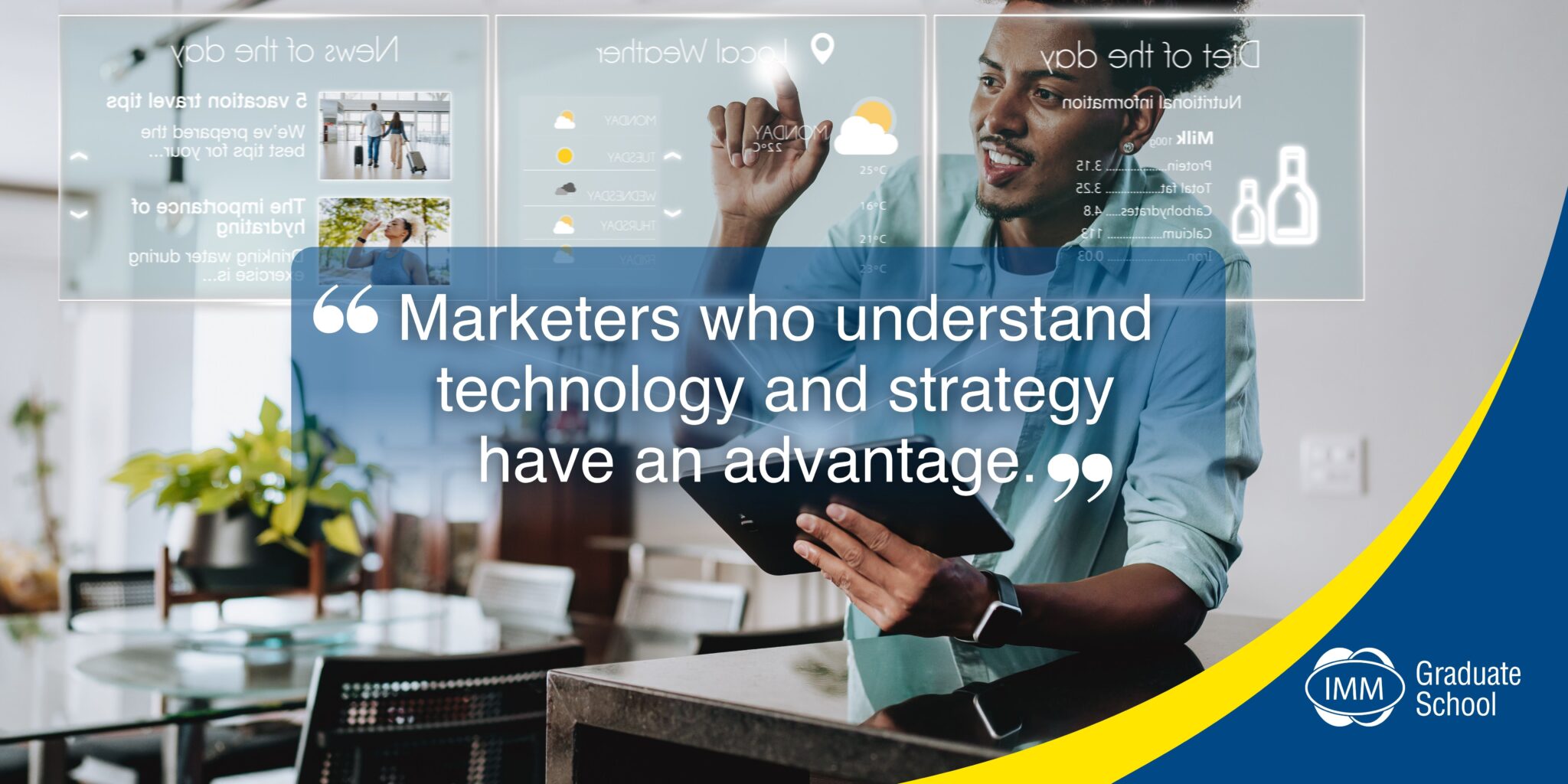
Marketers who understand technology and strategy have an advantage. The marketing technologist becomes an in-demand role by 2026.
These hybrid professionals will:
• Connect systems across CRM, automation, analytics, and content.
• Link IT teams with marketing teams.
• Drive scalable, efficient campaigns.
IMM Graduate School prepares for this shift. The curriculum blends classic theory with digital fluency. Students gain the ability to lead in a tech-forward space.
Future-proof your career with IMM Graduate School
Marketing in 2026 moves fast and stays human. Staying ahead starts with curiosity and the right training.
The IMM Graduate School offers qualifications designed to keep you updated with future marketing trends. With flexible learning formats, real case studies, and expert instruction. Explore IMM Graduate School’s marketing qualifications today.